From a first question to a specialist care plan. We connect the conversation, coordinate your journey, and help you make an informed choice.
Personal care. Individual quotations.
Every treatment plan is different. We obtain quotations from clinics after they review your needs—no published price lists or one-size-fits-all packages.
Browse by specialty.
01
Aesthetics, skin & hair
Facial and body surgery, hair transplants, skin treatments, lasers and dental care.
83 terms explained
Plastic surgery
Thoughtful planning for surgical aesthetic and reconstructive care.
Eyelid surgeryRhinoplastyFacelift & neck liftHair transplantBreast & body
Please talk to your physician for exact dates, times and procedures. Every patient’s case is different and every procedure takes a different amount of time, so the figures shown are general planning estimates only. Some patients who cannot stay long in Korea have stitches removed or later check-ups done at home instead — your treating doctor decides what applies to you.
TRIP & RECOVERY PLANNER
How long should I plan to be in Korea?
Choose a care area to see an illustrative timeline. These are general planning ranges, not a medical plan.
Typical stay in Korea
2–4 days
First consultation
Results review 1–7 days later
Downtime
Same day (rest after sedation)
Follow-up visits
1 screening day + results visit
Flying home
Next day (after sedation)
Day before
Fast from evening (usually 8–12 hours); bowel prep if colonoscopy.
Screening day
Most tests in one morning. No driving after sedation.
1–7 days later
Doctor explains results; English report provided.
Please talk to your physician for exact dates, times and procedures. Every patient’s case is different and every procedure takes a different amount of time, so the figures shown are general planning estimates only. Some patients who cannot stay long in Korea have stitches removed or later check-ups done at home instead — your treating doctor decides what applies to you.
A PATIENT KNOWLEDGE HUB · GENERAL INFORMATION ONLY
Procedure directory.
An educational reference to the medical and aesthetic specialties people research when looking into care in Korea — standard clinical names in English and Korean, what a procedure physically involves, typical recovery ranges, and the questions worth asking a specialist.
For education only. These entries are general information and do not replace a consultation with a qualified clinician. Suitability, risks, recovery and results differ for every person.
How this hub is written. Nothing on this page is an advertisement, an offer, or a recommendation. No clinic or doctor is named, ranked or endorsed, no prices are shown, and no result is promised. Topics are grouped by specialty and listed alphabetically — they are not ranked by quality or popularity. All Life One Global is a foreign-patient facilitator registered with Korea’s Ministry of Health and Welfare; it arranges communication and travel and does not provide medical care.
241Terms explained
11Specialties covered
73Terms with no downtime listed
75Skin & lifting terms
Commonly discussed topics
Topic finder
Step 1 of 3
Choose an area of interest
241 of 241 terms
Plastic & reconstructive surgery 65
Plastic & reconstructive surgery
360° liposuction
Circumferential liposuction · Abdomen and flanks lipo
360 지방흡입 · sambaegyuksip jibangheubip
1 · Standard clinical name
360° liposuction / 360 지방흡입
2 · Objective mechanism
Removes fat from the abdomen, flanks and lower back in one session, sometimes extended to the thighs or arms.
3 · Indications & limitations
Commonly sought for: Stubborn abdominal and flank fat. Outcomes vary between individuals and depend on anatomy, healing and health; no specific appearance or result can be guaranteed.
4 · Risk & recovery
Typical duration: 2–4 hrs; General anesthesia or IV sedation. Typical recovery: Compression garment 4–8 weeks; swelling settles over 3–6 months. Standard surgical risks include bleeding, infection, swelling, bruising, scarring, asymmetry, anesthesia reactions, altered sensation and the possibility of revision surgery. Clinical candidacy must be confirmed in person by a qualified specialist after consultation and examination.
Commonly discussed for: Stubborn abdominal and flank fat
Duration & anesthesia
2–4 hrs | General anesthesia or IV sedation
Downtime & recovery
Compression garment 4–8 weeks; swelling settles over 3–6 months
Invasiveness
Surgical
Hospital stay
Often 1–2 nights; outpatient for some cases
Stitch removal
Usually day 7–14 (some absorbable)
Recommended stay in Korea
Stay about 14–21 days
Planning estimates only. Anesthesia must be managed by qualified medical staff; please check with your doctor before flying home.
Recovery check
Day 1–3Most swelling and rest
Day 7–10Stitch removal / check-up (usually day 7 or day 10)
Week 2Usually fit to fly after clinic approval
Month 1–3Swelling continues to settle
Also look at:
Questions to ask your clinic
Which technique do you plan for my anatomy, and who performs and supervises anesthesia?
On which day are stitches removed, and when may I fly home?
How long to stay in Korea: Stay about 14–21 days
What to bring
Tips & tricks
Stop smoking, alcohol and blood-thinning supplements as your clinic advises.
Book accommodation near the clinic with elevator access.
Avoid saunas, jjimjilbang and swimming until cleared.
Get written aftercare notes and your surgery record before you leave.
Please talk to your physician for exact dates, times and procedures. Every patient’s case is different and every procedure takes a different amount of time, so the figures shown are general planning estimates only. Some patients who cannot stay long in Korea have stitches removed or later check-ups done at home instead — your treating doctor decides what applies to you.
Plastic & reconstructive surgery
Abdominoplasty
Tummy tuck
복부성형 · bokbu seonghyeong
1 · Standard clinical name
Abdominoplasty / 복부성형
2 · Objective mechanism
Removes loose abdominal skin and tightens separated muscles.
3 · Indications & limitations
Commonly sought for: Loose belly skin; Diastasis recti; Post-pregnancy changes. Outcomes vary between individuals and depend on anatomy, healing and health; no specific appearance or result can be guaranteed.
4 · Risk & recovery
Typical duration: 2–4 hrs; General anesthesia. Typical recovery: 2–3 weeks before desk work; 6 weeks before exercise. Standard surgical risks include bleeding, infection, swelling, bruising, scarring, asymmetry, anesthesia reactions, altered sensation and the possibility of revision surgery. Clinical candidacy must be confirmed in person by a qualified specialist after consultation and examination.
2–3 weeks before desk work; 6 weeks before exercise
Invasiveness
Surgical
Hospital stay
Often 1–2 nights; outpatient for some cases
Stitch removal
Usually day 7–14 (some absorbable)
Recommended stay in Korea
Stay about 14–21 days
Planning estimates only. Anesthesia must be managed by qualified medical staff; please check with your doctor before flying home.
Recovery check
Day 1–3Most swelling and rest
Day 7–10Stitch removal / check-up (usually day 7 or day 10)
Week 2Usually fit to fly after clinic approval
Month 1–3Swelling continues to settle
Also look at:
Questions to ask your clinic
Is muscle repair included?
How long must I stay in Korea before flying long-haul?
How long to stay in Korea: Stay about 14–21 days
What to bring
Tips & tricks
Stop smoking, alcohol and blood-thinning supplements as your clinic advises.
Book accommodation near the clinic with elevator access.
Avoid saunas, jjimjilbang and swimming until cleared.
Get written aftercare notes and your surgery record before you leave.
Please talk to your physician for exact dates, times and procedures. Every patient’s case is different and every procedure takes a different amount of time, so the figures shown are general planning estimates only. Some patients who cannot stay long in Korea have stitches removed or later check-ups done at home instead — your treating doctor decides what applies to you.
Small-cannula fat removal from the jowls and under the chin for a cleaner jawline.
3 · Indications & limitations
Commonly sought for: Double chin; Jowl fat. Outcomes vary between individuals and depend on anatomy, healing and health; no specific appearance or result can be guaranteed.
4 · Risk & recovery
Typical duration: 1 hr; Local or IV sedation. Typical recovery: Chin band 3–7 days. Standard surgical risks include bleeding, infection, swelling, bruising, scarring, asymmetry, anesthesia reactions, altered sensation and the possibility of revision surgery. Clinical candidacy must be confirmed in person by a qualified specialist after consultation and examination.
Planning estimates only. Anesthesia must be managed by qualified medical staff; please check with your doctor before flying home.
Recovery check
Day 1–3Most swelling and rest
Day 7–10Stitch removal / check-up (usually day 7 or day 10)
Week 2Usually fit to fly after clinic approval
Month 1–3Swelling continues to settle
Also look at:
Questions to ask your clinic
Will the surgeon who consults me perform the operation, and is an anesthesiologist present?
How many check-ups are needed before I can fly, and who do I contact after I return home?
How long to stay in Korea: Stay about 5–7 days
What to bring
Tips & tricks
Stop smoking, alcohol and blood-thinning supplements as your clinic advises.
Book accommodation near the clinic with elevator access.
Avoid saunas, jjimjilbang and swimming until cleared.
Get written aftercare notes and your surgery record before you leave.
Please talk to your physician for exact dates, times and procedures. Every patient’s case is different and every procedure takes a different amount of time, so the figures shown are general planning estimates only. Some patients who cannot stay long in Korea have stitches removed or later check-ups done at home instead — your treating doctor decides what applies to you.
Plastic & reconstructive surgery
Alar base reduction
Nostril reduction
콧볼축소 · kotbol chukso
1 · Standard clinical name
Alar base reduction / 콧볼축소
2 · Objective mechanism
Narrows wide nostrils by removing a small wedge of skin at the nostril base.
3 · Indications & limitations
Commonly sought for: Flared nostrils; Wide nose base. Outcomes vary between individuals and depend on anatomy, healing and health; no specific appearance or result can be guaranteed.
4 · Risk & recovery
Typical duration: 30–60 mins; Local with sedation. Typical recovery: Stitches out at 5–7 days; scars fade over months. Standard surgical risks include bleeding, infection, swelling, bruising, scarring, asymmetry, anesthesia reactions, altered sensation and the possibility of revision surgery. Clinical candidacy must be confirmed in person by a qualified specialist after consultation and examination.
Commonly discussed for: Flared nostrils, Wide nose base
Duration & anesthesia
30–60 mins | Local with sedation
Downtime & recovery
Stitches out at 5–7 days; scars fade over months
Invasiveness
Surgical
Hospital stay
Usually outpatient / day surgery
Stitch removal
Usually day 5–7 (some absorbable)
Recommended stay in Korea
Stay about 10–14 days
Planning estimates only. Anesthesia must be managed by qualified medical staff; please check with your doctor before flying home.
Recovery check
Day 1–3Most swelling and rest
Day 7–10Stitch removal / check-up (usually day 7 or day 10)
Week 2Usually fit to fly after clinic approval
Month 1–3Swelling continues to settle
Also look at:
Questions to ask your clinic
Where will the scars sit, and how visible are they on my skin type?
Could over-narrowing affect my breathing?
How long to stay in Korea: Stay about 10–14 days
What to bring
Tips & tricks
Stop smoking, alcohol and blood-thinning supplements as your clinic advises.
Book accommodation near the clinic with elevator access.
Avoid saunas, jjimjilbang and swimming until cleared.
Get written aftercare notes and your surgery record before you leave.
Please talk to your physician for exact dates, times and procedures. Every patient’s case is different and every procedure takes a different amount of time, so the figures shown are general planning estimates only. Some patients who cannot stay long in Korea have stitches removed or later check-ups done at home instead — your treating doctor decides what applies to you.
Plastic & reconstructive surgery
Brachioplasty
Arm lift · Arm liposuction
팔거상술 · pal geosangsul
1 · Standard clinical name
Brachioplasty / 팔거상술
2 · Objective mechanism
Removes loose upper-arm skin and fat, often after weight loss.
3 · Indications & limitations
Commonly sought for: Loose arm skin; Bat wings. Outcomes vary between individuals and depend on anatomy, healing and health; no specific appearance or result can be guaranteed.
4 · Risk & recovery
Typical duration: 2–3 hrs; General or IV sedation. Typical recovery: Compression 3–6 weeks. Standard surgical risks include bleeding, infection, swelling, bruising, scarring, asymmetry, anesthesia reactions, altered sensation and the possibility of revision surgery. Clinical candidacy must be confirmed in person by a qualified specialist after consultation and examination.
Planning estimates only. Anesthesia must be managed by qualified medical staff; please check with your doctor before flying home.
Recovery check
Day 1–3Most swelling and rest
Day 7–10Stitch removal / check-up (usually day 7 or day 10)
Week 2Usually fit to fly after clinic approval
Month 1–3Swelling continues to settle
Also look at:
Questions to ask your clinic
Would liposuction alone be enough?
How long is the scar?
How long to stay in Korea: Stay about 14–21 days
What to bring
Tips & tricks
Stop smoking, alcohol and blood-thinning supplements as your clinic advises.
Book accommodation near the clinic with elevator access.
Avoid saunas, jjimjilbang and swimming until cleared.
Get written aftercare notes and your surgery record before you leave.
Please talk to your physician for exact dates, times and procedures. Every patient’s case is different and every procedure takes a different amount of time, so the figures shown are general planning estimates only. Some patients who cannot stay long in Korea have stitches removed or later check-ups done at home instead — your treating doctor decides what applies to you.
Plastic & reconstructive surgery
Breast augmentation
Breast implants · Boob job
가슴확대술 · gaseum hwakdaesul
1 · Standard clinical name
Breast augmentation / 가슴확대술
2 · Objective mechanism
Increases breast size or improves shape with implants or fat transfer.
3 · Indications & limitations
Commonly sought for: Small breasts; Volume loss after pregnancy; Asymmetry. Outcomes vary between individuals and depend on anatomy, healing and health; no specific appearance or result can be guaranteed.
4 · Risk & recovery
Typical duration: 1–2 hrs; General anesthesia. Typical recovery: Return to light activity at 1 week; no lifting for 4–6 weeks. Standard surgical risks include bleeding, infection, swelling, bruising, scarring, asymmetry, anesthesia reactions, altered sensation and the possibility of revision surgery. Clinical candidacy must be confirmed in person by a qualified specialist after consultation and examination.
Commonly discussed for: Small breasts, Volume loss after pregnancy, Asymmetry
Duration & anesthesia
1–2 hrs | General anesthesia
Downtime & recovery
Return to light activity at 1 week; no lifting for 4–6 weeks
Invasiveness
Surgical
Hospital stay
Usually outpatient / day surgery
Stitch removal
Usually day 7–14 (some absorbable)
Recommended stay in Korea
Stay about 14–21 days
Planning estimates only. Anesthesia must be managed by qualified medical staff; please check with your doctor before flying home.
Recovery check
Day 1–3Most swelling and rest
Day 7–10Stitch removal / check-up (usually day 7 or day 10)
Week 2Usually fit to fly after clinic approval
Month 1–3Swelling continues to settle
Also look at:
Questions to ask your clinic
Which implant brand and warranty do you use, and will I get the implant card?
How will I be followed up for capsular contracture after returning home?
How long to stay in Korea: Stay about 14–21 days
What to bring
Tips & tricks
Stop smoking, alcohol and blood-thinning supplements as your clinic advises.
Book accommodation near the clinic with elevator access.
Avoid saunas, jjimjilbang and swimming until cleared.
Get written aftercare notes and your surgery record before you leave.
Please talk to your physician for exact dates, times and procedures. Every patient’s case is different and every procedure takes a different amount of time, so the figures shown are general planning estimates only. Some patients who cannot stay long in Korea have stitches removed or later check-ups done at home instead — your treating doctor decides what applies to you.
Plastic & reconstructive surgery
Breast implant revision / removal
Explant · Capsulectomy
가슴재수술 · gaseum jaesusul
1 · Standard clinical name
Breast implant revision / removal / 가슴재수술
2 · Objective mechanism
Replaces or removes implants and treats capsular contracture or rippling.
3 · Indications & limitations
Commonly sought for: Capsular contracture; Implant concerns. Outcomes vary between individuals and depend on anatomy, healing and health; no specific appearance or result can be guaranteed.
4 · Risk & recovery
Typical duration: 2–4 hrs; General anesthesia. Typical recovery: Return to light activity 1–2 weeks. Standard surgical risks include bleeding, infection, swelling, bruising, scarring, asymmetry, anesthesia reactions, altered sensation and the possibility of revision surgery. Clinical candidacy must be confirmed in person by a qualified specialist after consultation and examination.
Korean eye clinics usually recommend 2 weeks to 1 month for several check-ups (day 1, about 1 week, 2–4 weeks)
Planning estimates only. Anesthesia must be managed by qualified medical staff; please check with your doctor before flying home.
Recovery check
Day 1Next-day eye check
Week 1Check-up; no face-washing or rubbing
Weeks 2–4Further check; eye drops usually for about 1 month
Month 2Glasses prescription can be finalised at home
Also look at:
Questions to ask your clinic
Will the surgeon who consults me perform the operation, and is an anesthesiologist present?
How many check-ups are needed before I can fly, and who do I contact after I return home?
How long to stay in Korea: Korean eye clinics usually recommend 2 weeks to 1 month for several check-ups (day 1, about 1 week, 2–4 weeks)
What to bring
Tips & tricks
Stop smoking, alcohol and blood-thinning supplements as your clinic advises.
Book accommodation near the clinic with elevator access.
Avoid saunas, jjimjilbang and swimming until cleared.
Get written aftercare notes and your surgery record before you leave.
Ask whether later check-ups can be done by your eye doctor at home, and bring your surgery report.
Please talk to your physician for exact dates, times and procedures. Every patient’s case is different and every procedure takes a different amount of time, so the figures shown are general planning estimates only. Some patients who cannot stay long in Korea have stitches removed or later check-ups done at home instead — your treating doctor decides what applies to you.
Plastic & reconstructive surgery
Breast reduction
Reduction mammaplasty
가슴축소술 · gaseum chuksosul
1 · Standard clinical name
Breast reduction / 가슴축소술
2 · Objective mechanism
Removes breast tissue and skin to reduce size, weight and back strain.
3 · Indications & limitations
Commonly sought for: Large heavy breasts; Back and shoulder pain. Outcomes vary between individuals and depend on anatomy, healing and health; no specific appearance or result can be guaranteed.
4 · Risk & recovery
Typical duration: 2–4 hrs; General anesthesia. Typical recovery: Return to light activity 1–2 weeks. Standard surgical risks include bleeding, infection, swelling, bruising, scarring, asymmetry, anesthesia reactions, altered sensation and the possibility of revision surgery. Clinical candidacy must be confirmed in person by a qualified specialist after consultation and examination.
Commonly discussed for: Large heavy breasts, Back and shoulder pain
Duration & anesthesia
2–4 hrs | General anesthesia
Downtime & recovery
Return to light activity 1–2 weeks
Invasiveness
Surgical
Hospital stay
Usually outpatient / day surgery
Stitch removal
Usually day 7–14 (some absorbable)
Recommended stay in Korea
Stay about 14–21 days
Planning estimates only. Anesthesia must be managed by qualified medical staff; please check with your doctor before flying home.
Recovery check
Day 1–3Most swelling and rest
Day 7–10Stitch removal / check-up (usually day 7 or day 10)
Week 2Usually fit to fly after clinic approval
Month 1–3Swelling continues to settle
Also look at:
Questions to ask your clinic
How will this affect breastfeeding and nipple sensation?
What scar pattern should I expect?
How long to stay in Korea: Stay about 14–21 days
What to bring
Tips & tricks
Stop smoking, alcohol and blood-thinning supplements as your clinic advises.
Book accommodation near the clinic with elevator access.
Avoid saunas, jjimjilbang and swimming until cleared.
Get written aftercare notes and your surgery record before you leave.
Please talk to your physician for exact dates, times and procedures. Every patient’s case is different and every procedure takes a different amount of time, so the figures shown are general planning estimates only. Some patients who cannot stay long in Korea have stitches removed or later check-ups done at home instead — your treating doctor decides what applies to you.
Plastic & reconstructive surgery
Brow lift
Forehead lift · Endoscopic brow lift
이마거상 · ima geosang
1 · Standard clinical name
Brow lift / 이마거상
2 · Objective mechanism
Raises low or heavy brows and smooths forehead lines.
3 · Indications & limitations
Commonly sought for: Low brows; Forehead wrinkles; Hooding. Outcomes vary between individuals and depend on anatomy, healing and health; no specific appearance or result can be guaranteed.
4 · Risk & recovery
Typical duration: 1–2 hrs; General or IV sedation. Typical recovery: Swelling 1–2 weeks; numbness can last months. Standard surgical risks include bleeding, infection, swelling, bruising, scarring, asymmetry, anesthesia reactions, altered sensation and the possibility of revision surgery. Clinical candidacy must be confirmed in person by a qualified specialist after consultation and examination.
Planning estimates only. Anesthesia must be managed by qualified medical staff; please check with your doctor before flying home.
Recovery check
Day 1–3Most swelling and rest
Day 7–10Stitch removal / check-up (usually day 7 or day 10)
Week 2Usually fit to fly after clinic approval
Month 1–3Swelling continues to settle
Also look at:
Questions to ask your clinic
Endoscopic or hairline incision — which suits my hairline?
How long will numbness of the scalp last?
How long to stay in Korea: Stay about 10–14 days
What to bring
Tips & tricks
Stop smoking, alcohol and blood-thinning supplements as your clinic advises.
Book accommodation near the clinic with elevator access.
Avoid saunas, jjimjilbang and swimming until cleared.
Get written aftercare notes and your surgery record before you leave.
Please talk to your physician for exact dates, times and procedures. Every patient’s case is different and every procedure takes a different amount of time, so the figures shown are general planning estimates only. Some patients who cannot stay long in Korea have stitches removed or later check-ups done at home instead — your treating doctor decides what applies to you.
Plastic & reconstructive surgery
Buccal fat removal
Cheek slimming
볼지방제거 · bol jibang jegeo
1 · Standard clinical name
Buccal fat removal / 볼지방제거
2 · Objective mechanism
Removes part of the inner cheek fat pad to slim a round lower face.
3 · Indications & limitations
Commonly sought for: Round face; Chubby cheeks. Outcomes vary between individuals and depend on anatomy, healing and health; no specific appearance or result can be guaranteed.
4 · Risk & recovery
Typical duration: 30–45 mins; Local. Typical recovery: Swelling 1–2 weeks. Standard surgical risks include bleeding, infection, swelling, bruising, scarring, asymmetry, anesthesia reactions, altered sensation and the possibility of revision surgery. Clinical candidacy must be confirmed in person by a qualified specialist after consultation and examination.
Planning estimates only. Anesthesia must be managed by qualified medical staff; please check with your doctor before flying home.
Recovery check
Day 1–3Most swelling and rest
Day 7–10Stitch removal / check-up (usually day 7 or day 10)
Week 2Usually fit to fly after clinic approval
Month 1–3Swelling continues to settle
Also look at:
Questions to ask your clinic
Could this make my face look hollow as I age?
How much fat will you remove, and why?
How long to stay in Korea: Stay about 10–14 days
What to bring
Tips & tricks
Stop smoking, alcohol and blood-thinning supplements as your clinic advises.
Book accommodation near the clinic with elevator access.
Avoid saunas, jjimjilbang and swimming until cleared.
Get written aftercare notes and your surgery record before you leave.
Please talk to your physician for exact dates, times and procedures. Every patient’s case is different and every procedure takes a different amount of time, so the figures shown are general planning estimates only. Some patients who cannot stay long in Korea have stitches removed or later check-ups done at home instead — your treating doctor decides what applies to you.
Plastic & reconstructive surgery
Buttock fat transfer (BBL)
Brazilian butt lift
엉덩이지방이식 · eongdeongi jibang isik
1 · Standard clinical name
Buttock fat transfer (BBL) / 엉덩이지방이식
2 · Objective mechanism
Moves fat from the body to the buttocks for shape; carries specific safety risks — technique matters.
3 · Indications & limitations
Commonly sought for: Flat buttocks; Hip dips. Outcomes vary between individuals and depend on anatomy, healing and health; no specific appearance or result can be guaranteed.
4 · Risk & recovery
Typical duration: 3–4 hrs; General anesthesia. Typical recovery: No direct sitting ~2 weeks. Standard surgical risks include bleeding, infection, swelling, bruising, scarring, asymmetry, anesthesia reactions, altered sensation and the possibility of revision surgery. Clinical candidacy must be confirmed in person by a qualified specialist after consultation and examination.
Planning estimates only. Anesthesia must be managed by qualified medical staff; please check with your doctor before flying home.
Recovery check
Day 1–3Most swelling and rest
Day 7–10Stitch removal / check-up (usually day 7 or day 10)
Week 2Usually fit to fly after clinic approval
Month 1–3Swelling continues to settle
Also look at:
Questions to ask your clinic
Do you inject only above the muscle (subcutaneous), with ultrasound guidance?
What is your safety protocol for fat embolism?
How long to stay in Korea: Stay about 14–21 days
What to bring
Tips & tricks
Stop smoking, alcohol and blood-thinning supplements as your clinic advises.
Book accommodation near the clinic with elevator access.
Avoid saunas, jjimjilbang and swimming until cleared.
Get written aftercare notes and your surgery record before you leave.
Please talk to your physician for exact dates, times and procedures. Every patient’s case is different and every procedure takes a different amount of time, so the figures shown are general planning estimates only. Some patients who cannot stay long in Korea have stitches removed or later check-ups done at home instead — your treating doctor decides what applies to you.
A soft solid silicone implant is placed in or under the gluteal muscle for lasting projection — an option when there is not enough fat for a fat-transfer BBL.
3 · Indications & limitations
Commonly sought for: Flat buttocks; Low body fat; Lack of projection. Outcomes vary between individuals and depend on anatomy, healing and health; no specific appearance or result can be guaranteed.
4 · Risk & recovery
Typical duration: 2–3 hrs; General anesthesia. Typical recovery: No direct sitting 2–3 weeks; exercise after 6–8 weeks. Standard surgical risks include bleeding, infection, swelling, bruising, scarring, asymmetry, anesthesia reactions, altered sensation and the possibility of revision surgery. Clinical candidacy must be confirmed in person by a qualified specialist after consultation and examination.
Commonly discussed for: Flat buttocks, Low body fat, Lack of projection
Duration & anesthesia
2–3 hrs | General anesthesia
Downtime & recovery
No direct sitting 2–3 weeks; exercise after 6–8 weeks
Invasiveness
Surgical
Hospital stay
Usually outpatient / day surgery
Stitch removal
Usually day 7–14 (some absorbable)
Recommended stay in Korea
Stay about 14–21 days
Planning estimates only. Anesthesia must be managed by qualified medical staff; please check with your doctor before flying home.
Recovery check
Day 1–3Most swelling and rest
Day 7–10Stitch removal / check-up (usually day 7 or day 10)
Week 2Usually fit to fly after clinic approval
Month 1–3Swelling continues to settle
Also look at:
Questions to ask your clinic
Will the implant sit within the muscle, and what size suits my frame?
What is your plan if the implant shifts or an infection occurs after I return home?
How long to stay in Korea: Stay about 14–21 days
What to bring
Tips & tricks
Stop smoking, alcohol and blood-thinning supplements as your clinic advises.
Book accommodation near the clinic with elevator access.
Avoid saunas, jjimjilbang and swimming until cleared.
Get written aftercare notes and your surgery record before you leave.
Please talk to your physician for exact dates, times and procedures. Every patient’s case is different and every procedure takes a different amount of time, so the figures shown are general planning estimates only. Some patients who cannot stay long in Korea have stitches removed or later check-ups done at home instead — your treating doctor decides what applies to you.
Plastic & reconstructive surgery
Cervicoplasty
Neck skin excision
경부성형술 · gyeongbu seonghyeongsul
1 · Standard clinical name
Cervicoplasty / 경부성형술
2 · Objective mechanism
Removes excess loose neck skin, usually combined with platysmaplasty or a neck lift for older or post-weight-loss patients.
3 · Indications & limitations
Commonly sought for: Loose neck skin; Crepey neck. Outcomes vary between individuals and depend on anatomy, healing and health; no specific appearance or result can be guaranteed.
4 · Risk & recovery
Typical duration: 2–3 hrs; General anesthesia. Typical recovery: Drain 1–2 days; social recovery 2 weeks. Standard surgical risks include bleeding, infection, swelling, bruising, scarring, asymmetry, anesthesia reactions, altered sensation and the possibility of revision surgery. Clinical candidacy must be confirmed in person by a qualified specialist after consultation and examination.
Planning estimates only. Anesthesia must be managed by qualified medical staff; please check with your doctor before flying home.
Recovery check
Day 1–3Most swelling and rest
Day 7–10Stitch removal / check-up (usually day 7 or day 10)
Week 2Usually fit to fly after clinic approval
Month 1–3Swelling continues to settle
Also look at:
Questions to ask your clinic
Will the surgeon who consults me perform the operation, and is an anesthesiologist present?
How many check-ups are needed before I can fly, and who do I contact after I return home?
How long to stay in Korea: Stay about 10–14 days
What to bring
Tips & tricks
Stop smoking, alcohol and blood-thinning supplements as your clinic advises.
Book accommodation near the clinic with elevator access.
Avoid saunas, jjimjilbang and swimming until cleared.
Get written aftercare notes and your surgery record before you leave.
Please talk to your physician for exact dates, times and procedures. Every patient’s case is different and every procedure takes a different amount of time, so the figures shown are general planning estimates only. Some patients who cannot stay long in Korea have stitches removed or later check-ups done at home instead — your treating doctor decides what applies to you.
Removes previously placed implants or fillers and releases scar tissue, usually rebuilding support with autologous cartilage.
3 · Indications & limitations
Commonly sought for: Shortened or tight nose after surgery; Implant problems; Filler complications. Outcomes vary between individuals and depend on anatomy, healing and health; no specific appearance or result can be guaranteed.
4 · Risk & recovery
Typical duration: 2.5–4 hrs; General anesthesia. Typical recovery: Splint about 7 days; swelling may take 12 months or more. Standard surgical risks include bleeding, infection, swelling, bruising, scarring, asymmetry, anesthesia reactions, altered sensation and the possibility of revision surgery. Clinical candidacy must be confirmed in person by a qualified specialist after consultation and examination.
Commonly discussed for: Shortened or tight nose after surgery, Implant problems, Filler complications
Duration & anesthesia
2.5–4 hrs | General anesthesia
Downtime & recovery
Splint about 7 days; swelling may take 12 months or more
Invasiveness
Surgical
Hospital stay
Usually outpatient / day surgery
Stitch removal
Usually day 5–7 (some absorbable)
Recommended stay in Korea
Korean eye clinics usually recommend 2 weeks to 1 month for several check-ups (day 1, about 1 week, 2–4 weeks)
Planning estimates only. Anesthesia must be managed by qualified medical staff; please check with your doctor before flying home.
Recovery check
Day 1Next-day eye check
Week 1Check-up; no face-washing or rubbing
Weeks 2–4Further check; eye drops usually for about 1 month
Month 2Glasses prescription can be finalised at home
Also look at:
Questions to ask your clinic
Which technique do you plan for my anatomy, and who performs and supervises anesthesia?
On which day are stitches removed, and when may I fly home?
How long to stay in Korea: Korean eye clinics usually recommend 2 weeks to 1 month for several check-ups (day 1, about 1 week, 2–4 weeks)
What to bring
Tips & tricks
Stop smoking, alcohol and blood-thinning supplements as your clinic advises.
Book accommodation near the clinic with elevator access.
Avoid saunas, jjimjilbang and swimming until cleared.
Get written aftercare notes and your surgery record before you leave.
Ask whether later check-ups can be done by your eye doctor at home, and bring your surgery report.
Please talk to your physician for exact dates, times and procedures. Every patient’s case is different and every procedure takes a different amount of time, so the figures shown are general planning estimates only. Some patients who cannot stay long in Korea have stitches removed or later check-ups done at home instead — your treating doctor decides what applies to you.
Plastic & reconstructive surgery
Dimpleplasty
Dimple creation
보조개성형 · bojogae seonghyeong
1 · Standard clinical name
Dimpleplasty / 보조개성형
2 · Objective mechanism
Creates cheek dimples through a tiny incision inside the mouth.
3 · Indications & limitations
Commonly sought for: Wish for dimples. Outcomes vary between individuals and depend on anatomy, healing and health; no specific appearance or result can be guaranteed.
4 · Risk & recovery
Typical duration: 30 mins; Local anesthesia. Typical recovery: Visible dimple at rest for a few weeks. Standard surgical risks include bleeding, infection, swelling, bruising, scarring, asymmetry, anesthesia reactions, altered sensation and the possibility of revision surgery. Clinical candidacy must be confirmed in person by a qualified specialist after consultation and examination.
Planning estimates only. Anesthesia must be managed by qualified medical staff; please check with your doctor before flying home.
Recovery check
Day 1–3Most swelling and rest
Day 7–10Stitch removal / check-up (usually day 7 or day 10)
Week 2Usually fit to fly after clinic approval
Month 1–3Swelling continues to settle
Also look at:
Questions to ask your clinic
Will the surgeon who consults me perform the operation, and is an anesthesiologist present?
How many check-ups are needed before I can fly, and who do I contact after I return home?
How long to stay in Korea: Stay about 5–7 days
What to bring
Tips & tricks
Stop smoking, alcohol and blood-thinning supplements as your clinic advises.
Book accommodation near the clinic with elevator access.
Avoid saunas, jjimjilbang and swimming until cleared.
Get written aftercare notes and your surgery record before you leave.
Please talk to your physician for exact dates, times and procedures. Every patient’s case is different and every procedure takes a different amount of time, so the figures shown are general planning estimates only. Some patients who cannot stay long in Korea have stitches removed or later check-ups done at home instead — your treating doctor decides what applies to you.
Plastic & reconstructive surgery
Double eyelid surgery
Asian blepharoplasty · Ssangkkeopul
쌍꺼풀 수술 · ssangkkeopul susul
1 · Standard clinical name
Double eyelid surgery / 쌍꺼풀 수술
2 · Objective mechanism
Creates a visible upper eyelid crease using either sutures (non-incisional) or an incision.
3 · Indications & limitations
Commonly sought for: Monolid; Uneven creases. Outcomes vary between individuals and depend on anatomy, healing and health; no specific appearance or result can be guaranteed.
4 · Risk & recovery
Typical duration: 30–60 mins; Local. Typical recovery: Swelling 1–2 weeks; natural look by 1–3 months. Standard surgical risks include bleeding, infection, swelling, bruising, scarring, asymmetry, anesthesia reactions, altered sensation and the possibility of revision surgery. Clinical candidacy must be confirmed in person by a qualified specialist after consultation and examination.
Planning estimates only. Anesthesia must be managed by qualified medical staff; please check with your doctor before flying home.
Recovery check
Day 1–3Most swelling and rest
Day 7–10Stitch removal / check-up (usually day 7 or day 10)
Week 2Usually fit to fly after clinic approval
Month 1–3Swelling continues to settle
Also look at:
Questions to ask your clinic
Is the suture method or the incision method better for my lid thickness?
How do you decide crease height to suit my face?
How long to stay in Korea: Stay about 10–14 days
What to bring
Tips & tricks
Stop smoking, alcohol and blood-thinning supplements as your clinic advises.
Book accommodation near the clinic with elevator access.
Avoid saunas, jjimjilbang and swimming until cleared.
Get written aftercare notes and your surgery record before you leave.
Please talk to your physician for exact dates, times and procedures. Every patient’s case is different and every procedure takes a different amount of time, so the figures shown are general planning estimates only. Some patients who cannot stay long in Korea have stitches removed or later check-ups done at home instead — your treating doctor decides what applies to you.
Plastic & reconstructive surgery
Endoscopic forehead lift
Forehead lift
내시경 이마거상 · naesigyeong imageosang
1 · Standard clinical name
Endoscopic forehead lift / 내시경 이마거상
2 · Objective mechanism
Raises low brows and smooths forehead lines through small scalp incisions.
3 · Indications & limitations
Commonly sought for: Low brows; Forehead wrinkles. Outcomes vary between individuals and depend on anatomy, healing and health; no specific appearance or result can be guaranteed.
4 · Risk & recovery
Typical duration: 1.5–2 hrs; General or IV sedation. Typical recovery: Swelling 1–2 weeks. Standard surgical risks include bleeding, infection, swelling, bruising, scarring, asymmetry, anesthesia reactions, altered sensation and the possibility of revision surgery. Clinical candidacy must be confirmed in person by a qualified specialist after consultation and examination.
Planning estimates only. Anesthesia must be managed by qualified medical staff; please check with your doctor before flying home.
Recovery check
Day 1–3Most swelling and rest
Day 7–10Stitch removal / check-up (usually day 7 or day 10)
Week 2Usually fit to fly after clinic approval
Month 1–3Swelling continues to settle
Also look at:
Questions to ask your clinic
Will the surgeon who consults me perform the operation, and is an anesthesiologist present?
How many check-ups are needed before I can fly, and who do I contact after I return home?
How long to stay in Korea: Stay about 10–14 days
What to bring
Tips & tricks
Stop smoking, alcohol and blood-thinning supplements as your clinic advises.
Book accommodation near the clinic with elevator access.
Avoid saunas, jjimjilbang and swimming until cleared.
Get written aftercare notes and your surgery record before you leave.
Please talk to your physician for exact dates, times and procedures. Every patient’s case is different and every procedure takes a different amount of time, so the figures shown are general planning estimates only. Some patients who cannot stay long in Korea have stitches removed or later check-ups done at home instead — your treating doctor decides what applies to you.
Plastic & reconstructive surgery
Epicanthoplasty
Inner corner eye surgery
앞트임 · apteuim
1 · Standard clinical name
Epicanthoplasty / 앞트임
2 · Objective mechanism
Releases the inner eye fold to make the eyes look wider and more horizontal.
3 · Indications & limitations
Commonly sought for: Prominent epicanthal fold; Close-set appearance. Outcomes vary between individuals and depend on anatomy, healing and health; no specific appearance or result can be guaranteed.
4 · Risk & recovery
Typical duration: 30–45 mins; Local. Typical recovery: Stitches out at 5–7 days; scar matures over 3–6 months. Standard surgical risks include bleeding, infection, swelling, bruising, scarring, asymmetry, anesthesia reactions, altered sensation and the possibility of revision surgery. Clinical candidacy must be confirmed in person by a qualified specialist after consultation and examination.
Stitches out at 5–7 days; scar matures over 3–6 months
Invasiveness
Surgical
Hospital stay
Usually outpatient / day surgery
Stitch removal
Usually day 5–7 (some absorbable)
Recommended stay in Korea
Stay about 10–14 days
Planning estimates only. Anesthesia must be managed by qualified medical staff; please check with your doctor before flying home.
Recovery check
Day 1–3Most swelling and rest
Day 7–10Stitch removal / check-up (usually day 7 or day 10)
Week 2Usually fit to fly after clinic approval
Month 1–3Swelling continues to settle
Also look at:
Questions to ask your clinic
What happens if I want it reversed later?
How do you minimise visible scarring at the inner corner?
How long to stay in Korea: Stay about 10–14 days
What to bring
Tips & tricks
Stop smoking, alcohol and blood-thinning supplements as your clinic advises.
Book accommodation near the clinic with elevator access.
Avoid saunas, jjimjilbang and swimming until cleared.
Get written aftercare notes and your surgery record before you leave.
Please talk to your physician for exact dates, times and procedures. Every patient’s case is different and every procedure takes a different amount of time, so the figures shown are general planning estimates only. Some patients who cannot stay long in Korea have stitches removed or later check-ups done at home instead — your treating doctor decides what applies to you.
Plastic & reconstructive surgery
Facelift (rhytidectomy)
SMAS facelift · Deep plane facelift · Mini facelift
안면거상술 · anmyeon geosangsul
1 · Standard clinical name
Facelift (rhytidectomy) / 안면거상술
2 · Objective mechanism
Repositions deeper facial tissues and removes loose skin to restore the jawline and midface.
3 · Indications & limitations
Commonly sought for: Jowls; Sagging cheeks; Deep nasolabial folds; Loose neck skin. Outcomes vary between individuals and depend on anatomy, healing and health; no specific appearance or result can be guaranteed.
4 · Risk & recovery
Typical duration: 3–5 hrs; General anesthesia. Typical recovery: Bruising 2 weeks; final result at 3–6 months. Standard surgical risks include bleeding, infection, swelling, bruising, scarring, asymmetry, anesthesia reactions, altered sensation and the possibility of revision surgery. Clinical candidacy must be confirmed in person by a qualified specialist after consultation and examination.
Planning estimates only. Anesthesia must be managed by qualified medical staff; please check with your doctor before flying home.
Recovery check
Day 1–3Most swelling and rest
Day 7–10Stitch removal / check-up (usually day 7 or day 10)
Week 2Usually fit to fly after clinic approval
Month 1–3Swelling continues to settle
Also look at:
Questions to ask your clinic
Which layer do you lift (skin, SMAS or deep plane), and why for me?
How long should I stay in Korea before flying?
How long to stay in Korea: Stay about 14–21 days
What to bring
Tips & tricks
Stop smoking, alcohol and blood-thinning supplements as your clinic advises.
Book accommodation near the clinic with elevator access.
Avoid saunas, jjimjilbang and swimming until cleared.
Get written aftercare notes and your surgery record before you leave.
Please talk to your physician for exact dates, times and procedures. Every patient’s case is different and every procedure takes a different amount of time, so the figures shown are general planning estimates only. Some patients who cannot stay long in Korea have stitches removed or later check-ups done at home instead — your treating doctor decides what applies to you.
Plastic & reconstructive surgery
Facial asymmetry correction
Asymmetric face surgery
안면비대칭 교정 · anmyeon bidaeching gyojeong
1 · Standard clinical name
Facial asymmetry correction / 안면비대칭 교정
2 · Objective mechanism
Combines bone, jaw or soft-tissue procedures, planned with 3D CT, to address measurable left-right differences of the face.
3 · Indications & limitations
Commonly sought for: Uneven jaw or cheekbones; Bite-related asymmetry. Outcomes vary between individuals and depend on anatomy, healing and health; no specific appearance or result can be guaranteed.
4 · Risk & recovery
Typical duration: 2–5 hrs; General anesthesia. Typical recovery: Hospital stay 1–3 nights; major swelling 2–4 weeks. Standard surgical risks include bleeding, infection, swelling, bruising, scarring, asymmetry, anesthesia reactions, altered sensation and the possibility of revision surgery. Clinical candidacy must be confirmed in person by a qualified specialist after consultation and examination.
Commonly discussed for: Uneven jaw or cheekbones, Bite-related asymmetry
Duration & anesthesia
2–5 hrs | General anesthesia
Downtime & recovery
Hospital stay 1–3 nights; major swelling 2–4 weeks
Invasiveness
Surgical
Hospital stay
1–3 nights
Stitch removal
Usually day 5–7 (some absorbable)
Recommended stay in Korea
Stay about 10–14 days
Planning estimates only. Anesthesia must be managed by qualified medical staff; please check with your doctor before flying home.
Recovery check
Day 1–3Most swelling and rest
Day 7–10Stitch removal / check-up (usually day 7 or day 10)
Week 2Usually fit to fly after clinic approval
Month 1–3Swelling continues to settle
Also look at:
Questions to ask your clinic
Which technique do you plan for my anatomy, and who performs and supervises anesthesia?
On which day are stitches removed, and when may I fly home?
How long to stay in Korea: Stay about 10–14 days
What to bring
Tips & tricks
Stop smoking, alcohol and blood-thinning supplements as your clinic advises.
Book accommodation near the clinic with elevator access.
Avoid saunas, jjimjilbang and swimming until cleared.
Get written aftercare notes and your surgery record before you leave.
Please talk to your physician for exact dates, times and procedures. Every patient’s case is different and every procedure takes a different amount of time, so the figures shown are general planning estimates only. Some patients who cannot stay long in Korea have stitches removed or later check-ups done at home instead — your treating doctor decides what applies to you.
Plastic & reconstructive surgery
Facial bone contouring
V-line surgery · Jaw reduction · Zygoma reduction
안면윤곽술 · anmyeon yungwaksul
1 · Standard clinical name
Facial bone contouring / 안면윤곽술
2 · Objective mechanism
Reshapes the jaw, chin or cheekbones by trimming or repositioning bone.
3 · Indications & limitations
Commonly sought for: Square jaw; Wide cheekbones; Long or recessed chin. Outcomes vary between individuals and depend on anatomy, healing and health; no specific appearance or result can be guaranteed.
4 · Risk & recovery
Typical duration: 2–4 hrs; General anesthesia. Typical recovery: Swelling 2–4 weeks; final shape at 6 months. Standard surgical risks include bleeding, infection, swelling, bruising, scarring, asymmetry, anesthesia reactions, altered sensation and the possibility of revision surgery. Clinical candidacy must be confirmed in person by a qualified specialist after consultation and examination.
Commonly discussed for: Square jaw, Wide cheekbones, Long or recessed chin
Duration & anesthesia
2–4 hrs | General anesthesia
Downtime & recovery
Swelling 2–4 weeks; final shape at 6 months
Invasiveness
Surgical
Hospital stay
Often 1–2 nights; outpatient for some cases
Stitch removal
Usually day 5–7 (some absorbable)
Recommended stay in Korea
Stay about 14–21 days
Planning estimates only. Anesthesia must be managed by qualified medical staff; please check with your doctor before flying home.
Recovery check
Day 1–3Most swelling and rest
Day 7–10Stitch removal / check-up (usually day 7 or day 10)
Week 2Usually fit to fly after clinic approval
Month 1–3Swelling continues to settle
Also look at:
Questions to ask your clinic
Will the surgery be done by a specialist with a hospital-level anesthesia team?
What is the risk of nerve numbness and how is it managed?
How long to stay in Korea: Stay about 14–21 days
What to bring
Tips & tricks
Stop smoking, alcohol and blood-thinning supplements as your clinic advises.
Book accommodation near the clinic with elevator access.
Avoid saunas, jjimjilbang and swimming until cleared.
Get written aftercare notes and your surgery record before you leave.
Please talk to your physician for exact dates, times and procedures. Every patient’s case is different and every procedure takes a different amount of time, so the figures shown are general planning estimates only. Some patients who cannot stay long in Korea have stitches removed or later check-ups done at home instead — your treating doctor decides what applies to you.
Plastic & reconstructive surgery
Facial fat grafting
Fat transfer
지방이식 · jibang isik
1 · Standard clinical name
Facial fat grafting / 지방이식
2 · Objective mechanism
Moves your own purified fat to restore volume in hollow areas.
3 · Indications & limitations
Commonly sought for: Hollow cheeks; Sunken temples; Under-eye hollows. Outcomes vary between individuals and depend on anatomy, healing and health; no specific appearance or result can be guaranteed.
4 · Risk & recovery
Typical duration: 1–2 hrs; Local with sedation. Typical recovery: Swelling 1–2 weeks; some fat is reabsorbed over 3 months. Standard surgical risks include bleeding, infection, swelling, bruising, scarring, asymmetry, anesthesia reactions, altered sensation and the possibility of revision surgery. Clinical candidacy must be confirmed in person by a qualified specialist after consultation and examination.
Swelling 1–2 weeks; some fat is reabsorbed over 3 months
Invasiveness
Surgical
Hospital stay
Usually outpatient / day surgery
Stitch removal
Usually day 5–7 (some absorbable)
Recommended stay in Korea
Stay about 10–14 days
Planning estimates only. Anesthesia must be managed by qualified medical staff; please check with your doctor before flying home.
Recovery check
Day 1–3Most swelling and rest
Day 7–10Stitch removal / check-up (usually day 7 or day 10)
Week 2Usually fit to fly after clinic approval
Month 1–3Swelling continues to settle
Also look at:
Questions to ask your clinic
What percentage of grafted fat typically survives?
Will I need a second session?
How long to stay in Korea: Stay about 10–14 days
What to bring
Tips & tricks
Stop smoking, alcohol and blood-thinning supplements as your clinic advises.
Book accommodation near the clinic with elevator access.
Avoid saunas, jjimjilbang and swimming until cleared.
Get written aftercare notes and your surgery record before you leave.
Please talk to your physician for exact dates, times and procedures. Every patient’s case is different and every procedure takes a different amount of time, so the figures shown are general planning estimates only. Some patients who cannot stay long in Korea have stitches removed or later check-ups done at home instead — your treating doctor decides what applies to you.
Plastic & reconstructive surgery
Fat transfer breast augmentation
Natural breast augmentation
가슴지방이식 · gaseum jibang isik
1 · Standard clinical name
Fat transfer breast augmentation / 가슴지방이식
2 · Objective mechanism
Uses your own liposuctioned fat to add a modest, natural cup-size increase.
3 · Indications & limitations
Commonly sought for: Small breasts; Asymmetry. Outcomes vary between individuals and depend on anatomy, healing and health; no specific appearance or result can be guaranteed.
4 · Risk & recovery
Typical duration: 3–4 hrs; General anesthesia. Typical recovery: 1–2 weeks; some fat is reabsorbed. Standard surgical risks include bleeding, infection, swelling, bruising, scarring, asymmetry, anesthesia reactions, altered sensation and the possibility of revision surgery. Clinical candidacy must be confirmed in person by a qualified specialist after consultation and examination.
Planning estimates only. Anesthesia must be managed by qualified medical staff; please check with your doctor before flying home.
Recovery check
Day 1–3Most swelling and rest
Day 7–10Stitch removal / check-up (usually day 7 or day 10)
Week 2Usually fit to fly after clinic approval
Month 1–3Swelling continues to settle
Also look at:
Questions to ask your clinic
Will the surgeon who consults me perform the operation, and is an anesthesiologist present?
How many check-ups are needed before I can fly, and who do I contact after I return home?
How long to stay in Korea: Stay about 14–21 days
What to bring
Tips & tricks
Stop smoking, alcohol and blood-thinning supplements as your clinic advises.
Book accommodation near the clinic with elevator access.
Avoid saunas, jjimjilbang and swimming until cleared.
Get written aftercare notes and your surgery record before you leave.
Please talk to your physician for exact dates, times and procedures. Every patient’s case is different and every procedure takes a different amount of time, so the figures shown are general planning estimates only. Some patients who cannot stay long in Korea have stitches removed or later check-ups done at home instead — your treating doctor decides what applies to you.
Plastic & reconstructive surgery
Forehead augmentation
Forehead fat graft · Forehead implant
이마성형 / 이마지방이식 · ima seonghyeong / ima jibang isik
1 · Standard clinical name
Forehead augmentation / 이마성형 / 이마지방이식
2 · Objective mechanism
Adds a gentle rounded curve to a flat or sloping forehead using fat, filler or a custom implant.
3 · Indications & limitations
Commonly sought for: Flat forehead; Sloping forehead. Outcomes vary between individuals and depend on anatomy, healing and health; no specific appearance or result can be guaranteed.
4 · Risk & recovery
Typical duration: 1–2 hrs; IV sedation. Typical recovery: Swelling 1–2 weeks. Standard surgical risks include bleeding, infection, swelling, bruising, scarring, asymmetry, anesthesia reactions, altered sensation and the possibility of revision surgery. Clinical candidacy must be confirmed in person by a qualified specialist after consultation and examination.
Planning estimates only. Anesthesia must be managed by qualified medical staff; please check with your doctor before flying home.
Recovery check
Day 1–3Most swelling and rest
Day 7–10Stitch removal / check-up (usually day 7 or day 10)
Week 2Usually fit to fly after clinic approval
Month 1–3Swelling continues to settle
Also look at:
Questions to ask your clinic
Fat, filler or implant — which lasts longest for me?
How natural will it look in profile?
How long to stay in Korea: Stay about 10–14 days
What to bring
Tips & tricks
Stop smoking, alcohol and blood-thinning supplements as your clinic advises.
Book accommodation near the clinic with elevator access.
Avoid saunas, jjimjilbang and swimming until cleared.
Get written aftercare notes and your surgery record before you leave.
Please talk to your physician for exact dates, times and procedures. Every patient’s case is different and every procedure takes a different amount of time, so the figures shown are general planning estimates only. Some patients who cannot stay long in Korea have stitches removed or later check-ups done at home instead — your treating doctor decides what applies to you.
Plastic & reconstructive surgery
Fox eye lift
Cat eye thread lift · Almond eye lift
여우눈 리프팅 · yeouhnun ripeuting
1 · Standard clinical name
Fox eye lift / 여우눈 리프팅
2 · Objective mechanism
Uses threads or small incisions near the temple to lift the outer brow and eye corners.
3 · Indications & limitations
Commonly sought for: Downturned eyes; Drooping outer brow. Effects are usually temporary and vary between individuals; repeat treatment may be needed and no specific result can be guaranteed.
4 · Risk & recovery
Typical duration: 30–60 mins; Local. Typical recovery: Tightness and swelling 3–7 days. Standard risks include bruising, swelling, tenderness, lumps or uneven results, infection and, rarely, vascular complications or allergic reactions. Clinical candidacy must be confirmed in person by a qualified specialist after consultation and examination.
Stay about 3–7 days so marks settle before you fly
Planning estimates only. Anesthesia must be managed by qualified medical staff; please check with your doctor before flying home.
Recovery check
Day 1–2Redness, bumps or small bruises
Day 3–7Most marks fade; makeup often allowed
Week 4–8Best results appear
Also look at:
Questions to ask your clinic
How long does the lift usually last?
What happens if the result looks uneven?
How long to stay in Korea: Stay about 3–7 days so marks settle before you fly
What to bring
Tips & tricks
Schedule treatment at the start of your trip, not the last day.
Avoid alcohol, saunas and intense exercise for 2–3 days.
Keep the product name and batch label for your home clinic.
Please talk to your physician for exact dates, times and procedures. Every patient’s case is different and every procedure takes a different amount of time, so the figures shown are general planning estimates only. Some patients who cannot stay long in Korea have stitches removed or later check-ups done at home instead — your treating doctor decides what applies to you.
Plastic & reconstructive surgery
Full / partial incisional double eyelid
Incisional method · Jeolgae-beop
절개법 쌍꺼풀 · jeolgaebeop ssangkkeopul
1 · Standard clinical name
Full / partial incisional double eyelid / 절개법 쌍꺼풀
2 · Objective mechanism
Creates an upper eyelid crease through a full or short incision, allowing removal of excess skin or fat and a fixed crease.
3 · Indications & limitations
Commonly sought for: Thick upper lids; Excess eyelid skin; Loosened suture crease. Outcomes vary between individuals and depend on anatomy, healing and health; no specific appearance or result can be guaranteed.
4 · Risk & recovery
Typical duration: 45–90 mins; Local with light sedation. Typical recovery: Stitch removal around day 5–7; swelling settles over 1–3 months. Standard surgical risks include bleeding, infection, swelling, bruising, scarring, asymmetry, anesthesia reactions, altered sensation and the possibility of revision surgery. Clinical candidacy must be confirmed in person by a qualified specialist after consultation and examination.
Stitch removal around day 5–7; swelling settles over 1–3 months
Invasiveness
Surgical
Hospital stay
Usually outpatient / day surgery
Stitch removal
around day 5–7
Recommended stay in Korea
Stay about 10–14 days
Planning estimates only. Anesthesia must be managed by qualified medical staff; please check with your doctor before flying home.
Recovery check
Day 1–3Most swelling and rest
Day 7–10Stitch removal / check-up (usually day 7 or day 10)
Week 2Usually fit to fly after clinic approval
Month 1–3Swelling continues to settle
Also look at:
Questions to ask your clinic
Which technique do you plan for my anatomy, and who performs and supervises anesthesia?
On which day are stitches removed, and when may I fly home?
How long to stay in Korea: Stay about 10–14 days
What to bring
Tips & tricks
Stop smoking, alcohol and blood-thinning supplements as your clinic advises.
Book accommodation near the clinic with elevator access.
Avoid saunas, jjimjilbang and swimming until cleared.
Get written aftercare notes and your surgery record before you leave.
Please talk to your physician for exact dates, times and procedures. Every patient’s case is different and every procedure takes a different amount of time, so the figures shown are general planning estimates only. Some patients who cannot stay long in Korea have stitches removed or later check-ups done at home instead — your treating doctor decides what applies to you.
Corrects internal structures (septum, turbinates, nasal valves) that obstruct airflow, sometimes combined with external reshaping.
3 · Indications & limitations
Commonly sought for: Breathing obstruction; Chronic congestion; Deviated septum. Outcomes vary between individuals and depend on anatomy, healing and health; no specific appearance or result can be guaranteed.
4 · Risk & recovery
Typical duration: 1–2 hrs; General anesthesia. Typical recovery: Packing or splints 1–7 days; return to work about 1 week. Standard surgical risks include bleeding, infection, swelling, bruising, scarring, asymmetry, anesthesia reactions, altered sensation and the possibility of revision surgery. Clinical candidacy must be confirmed in person by a qualified specialist after consultation and examination.
Packing or splints 1–7 days; return to work about 1 week
Invasiveness
Surgical
Hospital stay
Usually outpatient / day surgery
Stitch removal
Usually day 5–7 (some absorbable)
Recommended stay in Korea
Stay about 10–14 days
Planning estimates only. Anesthesia must be managed by qualified medical staff; please check with your doctor before flying home.
Recovery check
Day 1–3Most swelling and rest
Day 7–10Stitch removal / check-up (usually day 7 or day 10)
Week 2Usually fit to fly after clinic approval
Month 1–3Swelling continues to settle
Also look at:
Questions to ask your clinic
Which technique do you plan for my anatomy, and who performs and supervises anesthesia?
On which day are stitches removed, and when may I fly home?
How long to stay in Korea: Stay about 10–14 days
What to bring
Tips & tricks
Stop smoking, alcohol and blood-thinning supplements as your clinic advises.
Book accommodation near the clinic with elevator access.
Avoid saunas, jjimjilbang and swimming until cleared.
Get written aftercare notes and your surgery record before you leave.
Please talk to your physician for exact dates, times and procedures. Every patient’s case is different and every procedure takes a different amount of time, so the figures shown are general planning estimates only. Some patients who cannot stay long in Korea have stitches removed or later check-ups done at home instead — your treating doctor decides what applies to you.
Plastic & reconstructive surgery
Genioplasty
Chin surgery · Chin implant
턱끝성형 · teokkkeut seonghyeong
1 · Standard clinical name
Genioplasty / 턱끝성형
2 · Objective mechanism
Moves or augments the chin bone to balance facial profile.
3 · Indications & limitations
Commonly sought for: Recessed chin; Weak profile; Asymmetric chin. Outcomes vary between individuals and depend on anatomy, healing and health; no specific appearance or result can be guaranteed.
4 · Risk & recovery
Typical duration: 1–2 hrs; General anesthesia. Typical recovery: Swelling 1–2 weeks. Standard surgical risks include bleeding, infection, swelling, bruising, scarring, asymmetry, anesthesia reactions, altered sensation and the possibility of revision surgery. Clinical candidacy must be confirmed in person by a qualified specialist after consultation and examination.
Planning estimates only. Anesthesia must be managed by qualified medical staff; please check with your doctor before flying home.
Recovery check
Day 1–3Most swelling and rest
Day 7–10Stitch removal / check-up (usually day 7 or day 10)
Week 2Usually fit to fly after clinic approval
Month 1–3Swelling continues to settle
Also look at:
Questions to ask your clinic
Bone osteotomy or implant — what are the long-term differences?
Could filler achieve a similar result first?
How long to stay in Korea: Stay about 10–14 days
What to bring
Tips & tricks
Stop smoking, alcohol and blood-thinning supplements as your clinic advises.
Book accommodation near the clinic with elevator access.
Avoid saunas, jjimjilbang and swimming until cleared.
Get written aftercare notes and your surgery record before you leave.
Please talk to your physician for exact dates, times and procedures. Every patient’s case is different and every procedure takes a different amount of time, so the figures shown are general planning estimates only. Some patients who cannot stay long in Korea have stitches removed or later check-ups done at home instead — your treating doctor decides what applies to you.
Plastic & reconstructive surgery
Gynecomastia surgery
Male breast reduction
여유증 수술 · yeoyujeung susul
1 · Standard clinical name
Gynecomastia surgery / 여유증 수술
2 · Objective mechanism
Removes excess glandular tissue and fat from the male chest.
3 · Indications & limitations
Commonly sought for: Enlarged male breasts; Puffy nipples. Outcomes vary between individuals and depend on anatomy, healing and health; no specific appearance or result can be guaranteed.
4 · Risk & recovery
Typical duration: 1–2 hrs; General or IV sedation. Typical recovery: Compression vest 3–4 weeks. Standard surgical risks include bleeding, infection, swelling, bruising, scarring, asymmetry, anesthesia reactions, altered sensation and the possibility of revision surgery. Clinical candidacy must be confirmed in person by a qualified specialist after consultation and examination.
Commonly discussed for: Enlarged male breasts, Puffy nipples
Duration & anesthesia
1–2 hrs | General or IV sedation
Downtime & recovery
Compression vest 3–4 weeks
Invasiveness
Surgical
Hospital stay
Usually outpatient / day surgery
Stitch removal
Usually day 7–14 (some absorbable)
Recommended stay in Korea
Stay about 14–21 days
Planning estimates only. Anesthesia must be managed by qualified medical staff; please check with your doctor before flying home.
Recovery check
Day 1–3Most swelling and rest
Day 7–10Stitch removal / check-up (usually day 7 or day 10)
Week 2Usually fit to fly after clinic approval
Month 1–3Swelling continues to settle
Also look at:
Questions to ask your clinic
Is my chest mostly fat or gland tissue?
Should hormone causes be checked first?
How long to stay in Korea: Stay about 14–21 days
What to bring
Tips & tricks
Stop smoking, alcohol and blood-thinning supplements as your clinic advises.
Book accommodation near the clinic with elevator access.
Avoid saunas, jjimjilbang and swimming until cleared.
Get written aftercare notes and your surgery record before you leave.
Please talk to your physician for exact dates, times and procedures. Every patient’s case is different and every procedure takes a different amount of time, so the figures shown are general planning estimates only. Some patients who cannot stay long in Korea have stitches removed or later check-ups done at home instead — your treating doctor decides what applies to you.
Plastic & reconstructive surgery
Hump reduction & osteotomy
Dorsal hump reduction · Nasal bone osteotomy
매부리코 교정 · maeburiko gyojeong
1 · Standard clinical name
Hump reduction & osteotomy / 매부리코 교정
2 · Objective mechanism
Shaves the bony-cartilaginous hump on the nasal bridge and, if needed, cuts and repositions the nasal bones to narrow the bridge.
3 · Indications & limitations
Commonly sought for: Dorsal hump; Wide nasal bones. Outcomes vary between individuals and depend on anatomy, healing and health; no specific appearance or result can be guaranteed.
4 · Risk & recovery
Typical duration: 1.5–2.5 hrs; General or IV sedation. Typical recovery: Splint about 7 days; bruising 1–2 weeks. Standard surgical risks include bleeding, infection, swelling, bruising, scarring, asymmetry, anesthesia reactions, altered sensation and the possibility of revision surgery. Clinical candidacy must be confirmed in person by a qualified specialist after consultation and examination.
Planning estimates only. Anesthesia must be managed by qualified medical staff; please check with your doctor before flying home.
Recovery check
Day 1–3Most swelling and rest
Day 7–10Stitch removal / check-up (usually day 7 or day 10)
Week 2Usually fit to fly after clinic approval
Month 1–3Swelling continues to settle
Also look at:
Questions to ask your clinic
Which technique do you plan for my anatomy, and who performs and supervises anesthesia?
On which day are stitches removed, and when may I fly home?
How long to stay in Korea: Stay about 10–14 days
What to bring
Tips & tricks
Stop smoking, alcohol and blood-thinning supplements as your clinic advises.
Book accommodation near the clinic with elevator access.
Avoid saunas, jjimjilbang and swimming until cleared.
Get written aftercare notes and your surgery record before you leave.
Please talk to your physician for exact dates, times and procedures. Every patient’s case is different and every procedure takes a different amount of time, so the figures shown are general planning estimates only. Some patients who cannot stay long in Korea have stitches removed or later check-ups done at home instead — your treating doctor decides what applies to you.
Plastic & reconstructive surgery
Hybrid breast augmentation
Implant plus fat transfer
하이브리드 가슴성형 · haibeurideu gaseum seonghyeong
1 · Standard clinical name
Hybrid breast augmentation / 하이브리드 가슴성형
2 · Objective mechanism
Combines a breast implant with autologous fat grafting to soften implant edges and add upper-pole coverage.
3 · Indications & limitations
Commonly sought for: Thin tissue coverage; Visible implant edges. Outcomes vary between individuals and depend on anatomy, healing and health; no specific appearance or result can be guaranteed.
4 · Risk & recovery
Typical duration: 2–3 hrs; General anesthesia. Typical recovery: Compression bra 4–6 weeks; usually fit to fly after about 7–10 days. Standard surgical risks include bleeding, infection, swelling, bruising, scarring, asymmetry, anesthesia reactions, altered sensation and the possibility of revision surgery. Clinical candidacy must be confirmed in person by a qualified specialist after consultation and examination.
Compression bra 4–6 weeks; usually fit to fly after about 7–10 days
Invasiveness
Surgical
Hospital stay
Usually outpatient / day surgery
Stitch removal
Usually day 7–14 (some absorbable)
Recommended stay in Korea
Stay about 14–21 days
Planning estimates only. Anesthesia must be managed by qualified medical staff; please check with your doctor before flying home.
Recovery check
Day 1–3Most swelling and rest
Day 7–10Stitch removal / check-up (usually day 7 or day 10)
Week 2Usually fit to fly after clinic approval
Month 1–3Swelling continues to settle
Also look at:
Questions to ask your clinic
Which technique do you plan for my anatomy, and who performs and supervises anesthesia?
On which day are stitches removed, and when may I fly home?
How long to stay in Korea: Stay about 14–21 days
What to bring
Tips & tricks
Stop smoking, alcohol and blood-thinning supplements as your clinic advises.
Book accommodation near the clinic with elevator access.
Avoid saunas, jjimjilbang and swimming until cleared.
Get written aftercare notes and your surgery record before you leave.
Please talk to your physician for exact dates, times and procedures. Every patient’s case is different and every procedure takes a different amount of time, so the figures shown are general planning estimates only. Some patients who cannot stay long in Korea have stitches removed or later check-ups done at home instead — your treating doctor decides what applies to you.
Plastic & reconstructive surgery
Labiaplasty
Labia reduction
소음순성형 · soeumsun seonghyeong
1 · Standard clinical name
Labiaplasty / 소음순성형
2 · Objective mechanism
Reduces or reshapes the labia minora for comfort or appearance.
3 · Indications & limitations
Commonly sought for: Discomfort; Asymmetry. Outcomes vary between individuals and depend on anatomy, healing and health; no specific appearance or result can be guaranteed.
4 · Risk & recovery
Typical duration: 1 hr; Local or IV sedation. Typical recovery: Avoid exercise and intercourse 4–6 weeks. Standard surgical risks include bleeding, infection, swelling, bruising, scarring, asymmetry, anesthesia reactions, altered sensation and the possibility of revision surgery. Clinical candidacy must be confirmed in person by a qualified specialist after consultation and examination.
Planning estimates only. Anesthesia must be managed by qualified medical staff; please check with your doctor before flying home.
Recovery check
Day 1–3Most swelling and rest
Day 7–10Stitch removal / check-up (usually day 7 or day 10)
Week 2Usually fit to fly after clinic approval
Month 1–3Swelling continues to settle
Questions to ask your clinic
Will the surgeon who consults me perform the operation, and is an anesthesiologist present?
How many check-ups are needed before I can fly, and who do I contact after I return home?
How long to stay in Korea: Stay about 14–21 days
What to bring
Tips & tricks
Stop smoking, alcohol and blood-thinning supplements as your clinic advises.
Book accommodation near the clinic with elevator access.
Avoid saunas, jjimjilbang and swimming until cleared.
Get written aftercare notes and your surgery record before you leave.
Please talk to your physician for exact dates, times and procedures. Every patient’s case is different and every procedure takes a different amount of time, so the figures shown are general planning estimates only. Some patients who cannot stay long in Korea have stitches removed or later check-ups done at home instead — your treating doctor decides what applies to you.
Plastic & reconstructive surgery
Lateral canthoplasty
Outer corner eye extension · Dwitteuim
뒷트임 · dwitteuim
1 · Standard clinical name
Lateral canthoplasty / 뒷트임
2 · Objective mechanism
Extends the outer corner of the eye horizontally for a longer, softer eye shape.
3 · Indications & limitations
Commonly sought for: Short eye width; Upturned outer corners. Outcomes vary between individuals and depend on anatomy, healing and health; no specific appearance or result can be guaranteed.
4 · Risk & recovery
Typical duration: 30–60 mins; Local with sedation. Typical recovery: Stitches out at 5–7 days. Standard surgical risks include bleeding, infection, swelling, bruising, scarring, asymmetry, anesthesia reactions, altered sensation and the possibility of revision surgery. Clinical candidacy must be confirmed in person by a qualified specialist after consultation and examination.
Commonly discussed for: Short eye width, Upturned outer corners
Duration & anesthesia
30–60 mins | Local with sedation
Downtime & recovery
Stitches out at 5–7 days
Invasiveness
Surgical
Hospital stay
Usually outpatient / day surgery
Stitch removal
Usually day 5–7 (some absorbable)
Recommended stay in Korea
Stay about 10–14 days
Planning estimates only. Anesthesia must be managed by qualified medical staff; please check with your doctor before flying home.
Recovery check
Day 1–3Most swelling and rest
Day 7–10Stitch removal / check-up (usually day 7 or day 10)
Week 2Usually fit to fly after clinic approval
Month 1–3Swelling continues to settle
Also look at:
Questions to ask your clinic
How much lengthening is realistic without the corner reattaching?
What happens if I want it reversed?
How long to stay in Korea: Stay about 10–14 days
What to bring
Tips & tricks
Stop smoking, alcohol and blood-thinning supplements as your clinic advises.
Book accommodation near the clinic with elevator access.
Avoid saunas, jjimjilbang and swimming until cleared.
Get written aftercare notes and your surgery record before you leave.
Please talk to your physician for exact dates, times and procedures. Every patient’s case is different and every procedure takes a different amount of time, so the figures shown are general planning estimates only. Some patients who cannot stay long in Korea have stitches removed or later check-ups done at home instead — your treating doctor decides what applies to you.
Plastic & reconstructive surgery
Lip corner lift
Smile lip · Mouth corner lift
입꼬리 성형 · ipkkori seonghyeong
1 · Standard clinical name
Lip corner lift / 입꼬리 성형
2 · Objective mechanism
Lifts downturned mouth corners for a softer, smiling expression.
3 · Indications & limitations
Commonly sought for: Downturned mouth; Grumpy look. Outcomes vary between individuals and depend on anatomy, healing and health; no specific appearance or result can be guaranteed.
4 · Risk & recovery
Typical duration: 30–60 mins; Local. Typical recovery: Swelling 3–7 days; scars mature over months. Standard surgical risks include bleeding, infection, swelling, bruising, scarring, asymmetry, anesthesia reactions, altered sensation and the possibility of revision surgery. Clinical candidacy must be confirmed in person by a qualified specialist after consultation and examination.
Korean eye clinics usually recommend 2 weeks to 1 month for several check-ups (day 1, about 1 week, 2–4 weeks)
Planning estimates only. Anesthesia must be managed by qualified medical staff; please check with your doctor before flying home.
Recovery check
Day 1Next-day eye check
Week 1Check-up; no face-washing or rubbing
Weeks 2–4Further check; eye drops usually for about 1 month
Month 2Glasses prescription can be finalised at home
Also look at:
Questions to ask your clinic
Would botox to the mouth corners be enough first?
Where exactly will the scar be?
How long to stay in Korea: Korean eye clinics usually recommend 2 weeks to 1 month for several check-ups (day 1, about 1 week, 2–4 weeks)
What to bring
Tips & tricks
Stop smoking, alcohol and blood-thinning supplements as your clinic advises.
Book accommodation near the clinic with elevator access.
Avoid saunas, jjimjilbang and swimming until cleared.
Get written aftercare notes and your surgery record before you leave.
Ask whether later check-ups can be done by your eye doctor at home, and bring your surgery report.
Please talk to your physician for exact dates, times and procedures. Every patient’s case is different and every procedure takes a different amount of time, so the figures shown are general planning estimates only. Some patients who cannot stay long in Korea have stitches removed or later check-ups done at home instead — your treating doctor decides what applies to you.
Plastic & reconstructive surgery
Lip lift (bullhorn)
Subnasal lip lift · Philtrum shortening
인중축소 · injung chukso
1 · Standard clinical name
Lip lift (bullhorn) / 인중축소
2 · Objective mechanism
Shortens a long philtrum to show more of the upper lip.
3 · Indications & limitations
Commonly sought for: Long upper lip; Thin upper lip. Outcomes vary between individuals and depend on anatomy, healing and health; no specific appearance or result can be guaranteed.
4 · Risk & recovery
Typical duration: 1 hr; Local anesthesia. Typical recovery: Stitches out 5–7 days; scar matures over months. Standard surgical risks include bleeding, infection, swelling, bruising, scarring, asymmetry, anesthesia reactions, altered sensation and the possibility of revision surgery. Clinical candidacy must be confirmed in person by a qualified specialist after consultation and examination.
Commonly discussed for: Long upper lip, Thin upper lip
Duration & anesthesia
1 hr | Local anesthesia
Downtime & recovery
Stitches out 5–7 days; scar matures over months
Invasiveness
Surgical
Hospital stay
Usually outpatient / day surgery
Stitch removal
Usually day 5–7 (some absorbable)
Recommended stay in Korea
Stay about 10–14 days
Planning estimates only. Anesthesia must be managed by qualified medical staff; please check with your doctor before flying home.
Recovery check
Day 1–3Most swelling and rest
Day 7–10Stitch removal / check-up (usually day 7 or day 10)
Week 2Usually fit to fly after clinic approval
Month 1–3Swelling continues to settle
Also look at:
Questions to ask your clinic
Will the surgeon who consults me perform the operation, and is an anesthesiologist present?
How many check-ups are needed before I can fly, and who do I contact after I return home?
How long to stay in Korea: Stay about 10–14 days
What to bring
Tips & tricks
Stop smoking, alcohol and blood-thinning supplements as your clinic advises.
Book accommodation near the clinic with elevator access.
Avoid saunas, jjimjilbang and swimming until cleared.
Get written aftercare notes and your surgery record before you leave.
Please talk to your physician for exact dates, times and procedures. Every patient’s case is different and every procedure takes a different amount of time, so the figures shown are general planning estimates only. Some patients who cannot stay long in Korea have stitches removed or later check-ups done at home instead — your treating doctor decides what applies to you.
Plastic & reconstructive surgery
Lip reduction
Cheiloplasty
입술축소술 · ipsul chuksosul
1 · Standard clinical name
Lip reduction / 입술축소술
2 · Objective mechanism
Removes a strip of inner lip tissue to make thick lips thinner.
3 · Indications & limitations
Commonly sought for: Thick lips; Protruding lips. Outcomes vary between individuals and depend on anatomy, healing and health; no specific appearance or result can be guaranteed.
4 · Risk & recovery
Typical duration: 45 mins; Local. Typical recovery: Swelling 1–2 weeks. Standard surgical risks include bleeding, infection, swelling, bruising, scarring, asymmetry, anesthesia reactions, altered sensation and the possibility of revision surgery. Clinical candidacy must be confirmed in person by a qualified specialist after consultation and examination.
Planning estimates only. Anesthesia must be managed by qualified medical staff; please check with your doctor before flying home.
Recovery check
Day 1–3Most swelling and rest
Day 7–10Stitch removal / check-up (usually day 7 or day 10)
Week 2Usually fit to fly after clinic approval
Month 1–3Swelling continues to settle
Also look at:
Questions to ask your clinic
How much tissue will you remove, and can it look unnatural?
How is the scar hidden?
How long to stay in Korea: Stay about 5–7 days
What to bring
Tips & tricks
Stop smoking, alcohol and blood-thinning supplements as your clinic advises.
Book accommodation near the clinic with elevator access.
Avoid saunas, jjimjilbang and swimming until cleared.
Get written aftercare notes and your surgery record before you leave.
Please talk to your physician for exact dates, times and procedures. Every patient’s case is different and every procedure takes a different amount of time, so the figures shown are general planning estimates only. Some patients who cannot stay long in Korea have stitches removed or later check-ups done at home instead — your treating doctor decides what applies to you.
Plastic & reconstructive surgery
Liposuction
Lipo · Body contouring
지방흡입 · jibang heubip
1 · Standard clinical name
Liposuction / 지방흡입
2 · Objective mechanism
Suctions stubborn fat deposits to reshape body areas; it is not a weight-loss treatment.
3 · Indications & limitations
Commonly sought for: Stubborn belly fat; Thigh or arm fat; Love handles. Outcomes vary between individuals and depend on anatomy, healing and health; no specific appearance or result can be guaranteed.
4 · Risk & recovery
Typical duration: 1–4 hrs; Local with sedation or general. Typical recovery: Compression garment 4–6 weeks. Standard surgical risks include bleeding, infection, swelling, bruising, scarring, asymmetry, anesthesia reactions, altered sensation and the possibility of revision surgery. Clinical candidacy must be confirmed in person by a qualified specialist after consultation and examination.
Commonly discussed for: Stubborn belly fat, Thigh or arm fat, Love handles
Duration & anesthesia
1–4 hrs | Local with sedation or general
Downtime & recovery
Compression garment 4–6 weeks
Invasiveness
Surgical
Hospital stay
Often 1–2 nights; outpatient for some cases
Stitch removal
Usually day 7–14 (some absorbable)
Recommended stay in Korea
Stay about 14–21 days
Planning estimates only. Anesthesia must be managed by qualified medical staff; please check with your doctor before flying home.
Recovery check
Day 1–3Most swelling and rest
Day 7–10Stitch removal / check-up (usually day 7 or day 10)
Week 2Usually fit to fly after clinic approval
Month 1–3Swelling continues to settle
Also look at:
Questions to ask your clinic
How much fat is safe to remove in one session for me?
When can I fly after the procedure, given clot risk?
How long to stay in Korea: Stay about 14–21 days
What to bring
Tips & tricks
Stop smoking, alcohol and blood-thinning supplements as your clinic advises.
Book accommodation near the clinic with elevator access.
Avoid saunas, jjimjilbang and swimming until cleared.
Get written aftercare notes and your surgery record before you leave.
Please talk to your physician for exact dates, times and procedures. Every patient’s case is different and every procedure takes a different amount of time, so the figures shown are general planning estimates only. Some patients who cannot stay long in Korea have stitches removed or later check-ups done at home instead — your treating doctor decides what applies to you.
Removes or repositions under-eye fat to smooth bags and hollows.
3 · Indications & limitations
Commonly sought for: Under-eye bags; Dark circles from shadowing; Tear trough hollows. Outcomes vary between individuals and depend on anatomy, healing and health; no specific appearance or result can be guaranteed.
4 · Risk & recovery
Typical duration: 1–2 hrs; Local with sedation or general. Typical recovery: Swelling 1–2 weeks. Standard surgical risks include bleeding, infection, swelling, bruising, scarring, asymmetry, anesthesia reactions, altered sensation and the possibility of revision surgery. Clinical candidacy must be confirmed in person by a qualified specialist after consultation and examination.
Commonly discussed for: Under-eye bags, Dark circles from shadowing, Tear trough hollows
Duration & anesthesia
1–2 hrs | Local with sedation or general
Downtime & recovery
Swelling 1–2 weeks
Invasiveness
Surgical
Hospital stay
Usually outpatient / day surgery
Stitch removal
Usually day 5–7 (some absorbable)
Recommended stay in Korea
Stay about 10–14 days
Planning estimates only. Anesthesia must be managed by qualified medical staff; please check with your doctor before flying home.
Recovery check
Day 1–3Most swelling and rest
Day 7–10Stitch removal / check-up (usually day 7 or day 10)
Week 2Usually fit to fly after clinic approval
Month 1–3Swelling continues to settle
Also look at:
Questions to ask your clinic
Will the incision be inside the eyelid or below the lashes?
What is the risk of the lower lid pulling down (ectropion)?
How long to stay in Korea: Stay about 10–14 days
What to bring
Tips & tricks
Stop smoking, alcohol and blood-thinning supplements as your clinic advises.
Book accommodation near the clinic with elevator access.
Avoid saunas, jjimjilbang and swimming until cleared.
Get written aftercare notes and your surgery record before you leave.
Please talk to your physician for exact dates, times and procedures. Every patient’s case is different and every procedure takes a different amount of time, so the figures shown are general planning estimates only. Some patients who cannot stay long in Korea have stitches removed or later check-ups done at home instead — your treating doctor decides what applies to you.
Plastic & reconstructive surgery
Lower eyelid descent
Lower canthoplasty · Mitteuim
밑트임 · mitteuim
1 · Standard clinical name
Lower eyelid descent / 밑트임
2 · Objective mechanism
Lowers the outer lower lid slightly for larger, gentler-looking eyes.
3 · Indications & limitations
Commonly sought for: Sharp or upturned eyes; Small eye height. Outcomes vary between individuals and depend on anatomy, healing and health; no specific appearance or result can be guaranteed.
4 · Risk & recovery
Typical duration: 30–60 mins; Local with sedation. Typical recovery: Swelling 1–2 weeks. Standard surgical risks include bleeding, infection, swelling, bruising, scarring, asymmetry, anesthesia reactions, altered sensation and the possibility of revision surgery. Clinical candidacy must be confirmed in person by a qualified specialist after consultation and examination.
Commonly discussed for: Sharp or upturned eyes, Small eye height
Duration & anesthesia
30–60 mins | Local with sedation
Downtime & recovery
Swelling 1–2 weeks
Invasiveness
Surgical
Hospital stay
Usually outpatient / day surgery
Stitch removal
Usually day 5–7 (some absorbable)
Recommended stay in Korea
Stay about 10–14 days
Planning estimates only. Anesthesia must be managed by qualified medical staff; please check with your doctor before flying home.
Recovery check
Day 1–3Most swelling and rest
Day 7–10Stitch removal / check-up (usually day 7 or day 10)
Week 2Usually fit to fly after clinic approval
Month 1–3Swelling continues to settle
Also look at:
Questions to ask your clinic
Am I at risk of the lid pulling down or showing white below the iris?
Can it be combined with ptosis correction?
How long to stay in Korea: Stay about 10–14 days
What to bring
Tips & tricks
Stop smoking, alcohol and blood-thinning supplements as your clinic advises.
Book accommodation near the clinic with elevator access.
Avoid saunas, jjimjilbang and swimming until cleared.
Get written aftercare notes and your surgery record before you leave.
Please talk to your physician for exact dates, times and procedures. Every patient’s case is different and every procedure takes a different amount of time, so the figures shown are general planning estimates only. Some patients who cannot stay long in Korea have stitches removed or later check-ups done at home instead — your treating doctor decides what applies to you.
Plastic & reconstructive surgery
Mandible angle reduction
Square jaw reduction · V-line surgery
사각턱 / V라인 · sagakteok
1 · Standard clinical name
Mandible angle reduction / 사각턱 / V라인
2 · Objective mechanism
Reduces the jaw angle and narrows the chin from inside the mouth for a slimmer lower face.
3 · Indications & limitations
Commonly sought for: Square jaw; Wide lower face. Outcomes vary between individuals and depend on anatomy, healing and health; no specific appearance or result can be guaranteed.
4 · Risk & recovery
Typical duration: 2–3 hrs; General anesthesia. Typical recovery: Face band 1–2 weeks; swelling 1–3 months. Standard surgical risks include bleeding, infection, swelling, bruising, scarring, asymmetry, anesthesia reactions, altered sensation and the possibility of revision surgery. Clinical candidacy must be confirmed in person by a qualified specialist after consultation and examination.
Commonly discussed for: Square jaw, Wide lower face
Duration & anesthesia
2–3 hrs | General anesthesia
Downtime & recovery
Face band 1–2 weeks; swelling 1–3 months
Invasiveness
Surgical
Hospital stay
Often 1–2 nights; outpatient for some cases
Stitch removal
Usually day 5–7 (some absorbable)
Recommended stay in Korea
Stay about 14–21 days
Planning estimates only. Anesthesia must be managed by qualified medical staff; please check with your doctor before flying home.
Recovery check
Day 1–3Most swelling and rest
Day 7–10Stitch removal / check-up (usually day 7 or day 10)
Week 2Usually fit to fly after clinic approval
Month 1–3Swelling continues to settle
Also look at:
Questions to ask your clinic
Will the surgeon who consults me perform the operation, and is an anesthesiologist present?
How many check-ups are needed before I can fly, and who do I contact after I return home?
How long to stay in Korea: Stay about 14–21 days
What to bring
Tips & tricks
Stop smoking, alcohol and blood-thinning supplements as your clinic advises.
Book accommodation near the clinic with elevator access.
Avoid saunas, jjimjilbang and swimming until cleared.
Get written aftercare notes and your surgery record before you leave.
Please talk to your physician for exact dates, times and procedures. Every patient’s case is different and every procedure takes a different amount of time, so the figures shown are general planning estimates only. Some patients who cannot stay long in Korea have stitches removed or later check-ups done at home instead — your treating doctor decides what applies to you.
Plastic & reconstructive surgery
Mastopexy
Breast lift
유방거상술 · yubang geosangsul
1 · Standard clinical name
Mastopexy / 유방거상술
2 · Objective mechanism
Raises and reshapes sagging breasts by removing excess skin.
3 · Indications & limitations
Commonly sought for: Sagging breasts; Low nipple position. Outcomes vary between individuals and depend on anatomy, healing and health; no specific appearance or result can be guaranteed.
4 · Risk & recovery
Typical duration: 2–3 hrs; General anesthesia. Typical recovery: Support bra 4–6 weeks. Standard surgical risks include bleeding, infection, swelling, bruising, scarring, asymmetry, anesthesia reactions, altered sensation and the possibility of revision surgery. Clinical candidacy must be confirmed in person by a qualified specialist after consultation and examination.
Commonly discussed for: Sagging breasts, Low nipple position
Duration & anesthesia
2–3 hrs | General anesthesia
Downtime & recovery
Support bra 4–6 weeks
Invasiveness
Surgical
Hospital stay
Usually outpatient / day surgery
Stitch removal
Usually day 7–14 (some absorbable)
Recommended stay in Korea
Stay about 14–21 days
Planning estimates only. Anesthesia must be managed by qualified medical staff; please check with your doctor before flying home.
Recovery check
Day 1–3Most swelling and rest
Day 7–10Stitch removal / check-up (usually day 7 or day 10)
Week 2Usually fit to fly after clinic approval
Month 1–3Swelling continues to settle
Also look at:
Questions to ask your clinic
What scar pattern will I have?
Should I wait until after future pregnancies?
How long to stay in Korea: Stay about 14–21 days
What to bring
Tips & tricks
Stop smoking, alcohol and blood-thinning supplements as your clinic advises.
Book accommodation near the clinic with elevator access.
Avoid saunas, jjimjilbang and swimming until cleared.
Get written aftercare notes and your surgery record before you leave.
Please talk to your physician for exact dates, times and procedures. Every patient’s case is different and every procedure takes a different amount of time, so the figures shown are general planning estimates only. Some patients who cannot stay long in Korea have stitches removed or later check-ups done at home instead — your treating doctor decides what applies to you.
Plastic & reconstructive surgery
Mid-face lift
Cheek lift · Midface suspension
중안면 거상술 · jungannmyeon geosangsul
1 · Standard clinical name
Mid-face lift / 중안면 거상술
2 · Objective mechanism
Repositions descended cheek tissues upward through small incisions near the temple, lower lid or mouth.
3 · Indications & limitations
Commonly sought for: Flattened cheeks; Deep nasolabial folds; Under-eye hollows. Outcomes vary between individuals and depend on anatomy, healing and health; no specific appearance or result can be guaranteed.
4 · Risk & recovery
Typical duration: 2–3 hrs; General or IV sedation. Typical recovery: Stitch removal about day 7–10; swelling 2–3 weeks. Standard surgical risks include bleeding, infection, swelling, bruising, scarring, asymmetry, anesthesia reactions, altered sensation and the possibility of revision surgery. Clinical candidacy must be confirmed in person by a qualified specialist after consultation and examination.
Commonly discussed for: Flattened cheeks, Deep nasolabial folds, Under-eye hollows
Duration & anesthesia
2–3 hrs | General or IV sedation
Downtime & recovery
Stitch removal about day 7–10; swelling 2–3 weeks
Invasiveness
Surgical
Hospital stay
Usually outpatient / day surgery
Stitch removal
about day 7–10
Recommended stay in Korea
Stay about 10–14 days
Planning estimates only. Anesthesia must be managed by qualified medical staff; please check with your doctor before flying home.
Recovery check
Day 1–3Most swelling and rest
Day 7–10Stitch removal / check-up (usually day 7 or day 10)
Week 2Usually fit to fly after clinic approval
Month 1–3Swelling continues to settle
Also look at:
Questions to ask your clinic
Which technique do you plan for my anatomy, and who performs and supervises anesthesia?
On which day are stitches removed, and when may I fly home?
How long to stay in Korea: Stay about 10–14 days
What to bring
Tips & tricks
Stop smoking, alcohol and blood-thinning supplements as your clinic advises.
Book accommodation near the clinic with elevator access.
Avoid saunas, jjimjilbang and swimming until cleared.
Get written aftercare notes and your surgery record before you leave.
Please talk to your physician for exact dates, times and procedures. Every patient’s case is different and every procedure takes a different amount of time, so the figures shown are general planning estimates only. Some patients who cannot stay long in Korea have stitches removed or later check-ups done at home instead — your treating doctor decides what applies to you.
Plastic & reconstructive surgery
Mini facelift
Short-scar facelift · Mini lift
미니거상 · mini geosang
1 · Standard clinical name
Mini facelift / 미니거상
2 · Objective mechanism
A shorter-incision lift of the lower face for early jowls and laxity.
3 · Indications & limitations
Commonly sought for: Early jowls; Mild sagging. Outcomes vary between individuals and depend on anatomy, healing and health; no specific appearance or result can be guaranteed.
4 · Risk & recovery
Typical duration: 1.5–2.5 hrs; Local with IV sedation. Typical recovery: Bruising 7–10 days. Standard surgical risks include bleeding, infection, swelling, bruising, scarring, asymmetry, anesthesia reactions, altered sensation and the possibility of revision surgery. Clinical candidacy must be confirmed in person by a qualified specialist after consultation and examination.
Planning estimates only. Anesthesia must be managed by qualified medical staff; please check with your doctor before flying home.
Recovery check
Day 1–3Most swelling and rest
Day 7–10Stitch removal / check-up (usually day 7 or day 10)
Week 2Usually fit to fly after clinic approval
Month 1–3Swelling continues to settle
Also look at:
Questions to ask your clinic
How long will a mini lift last compared with a full facelift?
Which layer will you lift?
How long to stay in Korea: Stay about 14–21 days
What to bring
Tips & tricks
Stop smoking, alcohol and blood-thinning supplements as your clinic advises.
Book accommodation near the clinic with elevator access.
Avoid saunas, jjimjilbang and swimming until cleared.
Get written aftercare notes and your surgery record before you leave.
Please talk to your physician for exact dates, times and procedures. Every patient’s case is different and every procedure takes a different amount of time, so the figures shown are general planning estimates only. Some patients who cannot stay long in Korea have stitches removed or later check-ups done at home instead — your treating doctor decides what applies to you.
Plastic & reconstructive surgery
Neck lift
Platysmaplasty · Turkey neck surgery
목거상 · mok geosang
1 · Standard clinical name
Neck lift / 목거상
2 · Objective mechanism
Tightens neck muscle bands and removes loose skin and fat beneath the jaw.
3 · Indications & limitations
Commonly sought for: Neck bands; Loose neck skin; Double chin. Outcomes vary between individuals and depend on anatomy, healing and health; no specific appearance or result can be guaranteed.
4 · Risk & recovery
Typical duration: 2–3 hrs; General or IV sedation. Typical recovery: Compression garment 1–2 weeks. Standard surgical risks include bleeding, infection, swelling, bruising, scarring, asymmetry, anesthesia reactions, altered sensation and the possibility of revision surgery. Clinical candidacy must be confirmed in person by a qualified specialist after consultation and examination.
Planning estimates only. Anesthesia must be managed by qualified medical staff; please check with your doctor before flying home.
Recovery check
Day 1–3Most swelling and rest
Day 7–10Stitch removal / check-up (usually day 7 or day 10)
Week 2Usually fit to fly after clinic approval
Month 1–3Swelling continues to settle
Also look at:
Questions to ask your clinic
Is liposuction alone enough, or do I need muscle tightening?
Where will incisions be placed?
How long to stay in Korea: Stay about 10–14 days
What to bring
Tips & tricks
Stop smoking, alcohol and blood-thinning supplements as your clinic advises.
Book accommodation near the clinic with elevator access.
Avoid saunas, jjimjilbang and swimming until cleared.
Get written aftercare notes and your surgery record before you leave.
Please talk to your physician for exact dates, times and procedures. Every patient’s case is different and every procedure takes a different amount of time, so the figures shown are general planning estimates only. Some patients who cannot stay long in Korea have stitches removed or later check-ups done at home instead — your treating doctor decides what applies to you.
Plastic & reconstructive surgery
Neck liposuction
Chin liposuction · Double-chin lipo
목지방흡입 · mok jibang heubip
1 · Standard clinical name
Neck liposuction / 목지방흡입
2 · Objective mechanism
Removes stubborn fat under the chin and along the neck through tiny incisions; best when the skin is still firm.
3 · Indications & limitations
Commonly sought for: Double chin; Fatty neck. Outcomes vary between individuals and depend on anatomy, healing and health; no specific appearance or result can be guaranteed.
4 · Risk & recovery
Typical duration: 45–60 mins; Local with IV sedation. Typical recovery: Chin strap 1–2 weeks; swelling settles 4–6 weeks. Standard surgical risks include bleeding, infection, swelling, bruising, scarring, asymmetry, anesthesia reactions, altered sensation and the possibility of revision surgery. Clinical candidacy must be confirmed in person by a qualified specialist after consultation and examination.
Planning estimates only. Anesthesia must be managed by qualified medical staff; please check with your doctor before flying home.
Recovery check
Day 1–3Most swelling and rest
Day 7–10Stitch removal / check-up (usually day 7 or day 10)
Week 2Usually fit to fly after clinic approval
Month 1–3Swelling continues to settle
Also look at:
Questions to ask your clinic
Will the surgeon who consults me perform the operation, and is an anesthesiologist present?
How many check-ups are needed before I can fly, and who do I contact after I return home?
How long to stay in Korea: Stay about 5–7 days
What to bring
Tips & tricks
Stop smoking, alcohol and blood-thinning supplements as your clinic advises.
Book accommodation near the clinic with elevator access.
Avoid saunas, jjimjilbang and swimming until cleared.
Get written aftercare notes and your surgery record before you leave.
Please talk to your physician for exact dates, times and procedures. Every patient’s case is different and every procedure takes a different amount of time, so the figures shown are general planning estimates only. Some patients who cannot stay long in Korea have stitches removed or later check-ups done at home instead — your treating doctor decides what applies to you.
Plastic & reconstructive surgery
Non-incisional ptosis correction
Suture eye-opening · Burial method ptosis
비절개 눈매교정 · bijeolgae nunmae gyojeong
1 · Standard clinical name
Non-incisional ptosis correction / 비절개 눈매교정
2 · Objective mechanism
Tightens the eyelid-lifting muscle through tiny punctures instead of a full incision.
3 · Indications & limitations
Commonly sought for: Mild droopy lids; Sleepy-looking eyes. Outcomes vary between individuals and depend on anatomy, healing and health; no specific appearance or result can be guaranteed.
4 · Risk & recovery
Typical duration: 30–45 mins; Local with sedation. Typical recovery: Swelling 3–7 days. Standard surgical risks include bleeding, infection, swelling, bruising, scarring, asymmetry, anesthesia reactions, altered sensation and the possibility of revision surgery. Clinical candidacy must be confirmed in person by a qualified specialist after consultation and examination.
Planning estimates only. Anesthesia must be managed by qualified medical staff; please check with your doctor before flying home.
Recovery check
Day 1–3Most swelling and rest
Day 7–10Stitch removal / check-up (usually day 7 or day 10)
Week 2Usually fit to fly after clinic approval
Month 1–3Swelling continues to settle
Also look at:
Questions to ask your clinic
Is my ptosis mild enough for the non-incisional method?
What if the sutures loosen over time?
How long to stay in Korea: Stay about 5–7 days
What to bring
Tips & tricks
Stop smoking, alcohol and blood-thinning supplements as your clinic advises.
Book accommodation near the clinic with elevator access.
Avoid saunas, jjimjilbang and swimming until cleared.
Get written aftercare notes and your surgery record before you leave.
Please talk to your physician for exact dates, times and procedures. Every patient’s case is different and every procedure takes a different amount of time, so the figures shown are general planning estimates only. Some patients who cannot stay long in Korea have stitches removed or later check-ups done at home instead — your treating doctor decides what applies to you.
Plastic & reconstructive surgery
Nose tip plasty
Tip rhinoplasty · Bulbous tip correction
코끝성형 · kokkeut seonghyeong
1 · Standard clinical name
Nose tip plasty / 코끝성형
2 · Objective mechanism
Refines a wide, round or droopy nose tip without changing the bridge.
3 · Indications & limitations
Commonly sought for: Bulbous tip; Droopy tip. Outcomes vary between individuals and depend on anatomy, healing and health; no specific appearance or result can be guaranteed.
4 · Risk & recovery
Typical duration: 1–1.5 hrs; Local with sedation. Typical recovery: Splint 5–7 days. Standard surgical risks include bleeding, infection, swelling, bruising, scarring, asymmetry, anesthesia reactions, altered sensation and the possibility of revision surgery. Clinical candidacy must be confirmed in person by a qualified specialist after consultation and examination.
Planning estimates only. Anesthesia must be managed by qualified medical staff; please check with your doctor before flying home.
Recovery check
Day 1–3Most swelling and rest
Day 7–10Stitch removal / check-up (usually day 7 or day 10)
Week 2Usually fit to fly after clinic approval
Month 1–3Swelling continues to settle
Also look at:
Questions to ask your clinic
Will tip refinement need cartilage grafts?
How thick is my skin, and how does that affect results?
How long to stay in Korea: Stay about 10–14 days
What to bring
Tips & tricks
Stop smoking, alcohol and blood-thinning supplements as your clinic advises.
Book accommodation near the clinic with elevator access.
Avoid saunas, jjimjilbang and swimming until cleared.
Get written aftercare notes and your surgery record before you leave.
Please talk to your physician for exact dates, times and procedures. Every patient’s case is different and every procedure takes a different amount of time, so the figures shown are general planning estimates only. Some patients who cannot stay long in Korea have stitches removed or later check-ups done at home instead — your treating doctor decides what applies to you.
Plastic & reconstructive surgery
Orthognathic (two-jaw) surgery
Double jaw surgery · Yangak
양악수술 · yangak susul
1 · Standard clinical name
Orthognathic (two-jaw) surgery / 양악수술
2 · Objective mechanism
Repositions the upper and lower jaws to correct bite problems and facial imbalance.
3 · Indications & limitations
Commonly sought for: Underbite; Protruding mouth; Long face; Facial asymmetry. Outcomes vary between individuals and depend on anatomy, healing and health; no specific appearance or result can be guaranteed.
4 · Risk & recovery
Typical duration: 3–5 hrs; General anesthesia, hospital stay 3–5 days. Typical recovery: Liquid diet 2–4 weeks; swelling settles over 3–6 months. Standard surgical risks include bleeding, infection, swelling, bruising, scarring, asymmetry, anesthesia reactions, altered sensation and the possibility of revision surgery. Clinical candidacy must be confirmed in person by a qualified specialist after consultation and examination.
Commonly discussed for: Underbite, Protruding mouth, Long face, Facial asymmetry
Duration & anesthesia
3–5 hrs | General anesthesia, hospital stay 3–5 days
Downtime & recovery
Liquid diet 2–4 weeks; swelling settles over 3–6 months
Invasiveness
Surgical
Hospital stay
3–5 days Liquid diet 2–4 weeks
Stitch removal
Usually day 5–7 (some absorbable)
Recommended stay in Korea
Stay about 14–21 days
Planning estimates only. Anesthesia must be managed by qualified medical staff; please check with your doctor before flying home.
Recovery check
Day 1–3Most swelling and rest
Day 7–10Stitch removal / check-up (usually day 7 or day 10)
Week 2Usually fit to fly after clinic approval
Month 1–3Swelling continues to settle
Also look at:
Questions to ask your clinic
Is orthodontic treatment needed before or after surgery?
Is this done in a hospital with an intensive-care backup?
How long to stay in Korea: Stay about 14–21 days
What to bring
Tips & tricks
Stop smoking, alcohol and blood-thinning supplements as your clinic advises.
Book accommodation near the clinic with elevator access.
Avoid saunas, jjimjilbang and swimming until cleared.
Get written aftercare notes and your surgery record before you leave.
Please talk to your physician for exact dates, times and procedures. Every patient’s case is different and every procedure takes a different amount of time, so the figures shown are general planning estimates only. Some patients who cannot stay long in Korea have stitches removed or later check-ups done at home instead — your treating doctor decides what applies to you.
Plastic & reconstructive surgery
Platysmaplasty
Neck muscle tightening · Corset platysmaplasty
광경근성형술 · gwanggyeonggeun seonghyeongsul
1 · Standard clinical name
Platysmaplasty / 광경근성형술
2 · Objective mechanism
Tightens the loose platysma neck muscle through a small cut under the chin, smoothing vertical neck bands and sharpening the jaw-neck angle.
3 · Indications & limitations
Commonly sought for: Neck bands; Turkey neck; Blunt jaw-neck angle. Outcomes vary between individuals and depend on anatomy, healing and health; no specific appearance or result can be guaranteed.
4 · Risk & recovery
Typical duration: 1.5–2.5 hrs; IV sedation or general anesthesia. Typical recovery: Swelling and chin strap 1–2 weeks; stitches out day 5–7. Standard surgical risks include bleeding, infection, swelling, bruising, scarring, asymmetry, anesthesia reactions, altered sensation and the possibility of revision surgery. Clinical candidacy must be confirmed in person by a qualified specialist after consultation and examination.
Swelling and chin strap 1–2 weeks; stitches out day 5–7
Invasiveness
Surgical
Hospital stay
Usually outpatient / day surgery
Stitch removal
Usually day 5–7 (some absorbable)
Recommended stay in Korea
Stay about 10–14 days
Planning estimates only. Anesthesia must be managed by qualified medical staff; please check with your doctor before flying home.
Recovery check
Day 1–3Most swelling and rest
Day 7–10Stitch removal / check-up (usually day 7 or day 10)
Week 2Usually fit to fly after clinic approval
Month 1–3Swelling continues to settle
Also look at:
Questions to ask your clinic
Will the surgeon who consults me perform the operation, and is an anesthesiologist present?
How many check-ups are needed before I can fly, and who do I contact after I return home?
How long to stay in Korea: Stay about 10–14 days
What to bring
Tips & tricks
Stop smoking, alcohol and blood-thinning supplements as your clinic advises.
Book accommodation near the clinic with elevator access.
Avoid saunas, jjimjilbang and swimming until cleared.
Get written aftercare notes and your surgery record before you leave.
Please talk to your physician for exact dates, times and procedures. Every patient’s case is different and every procedure takes a different amount of time, so the figures shown are general planning estimates only. Some patients who cannot stay long in Korea have stitches removed or later check-ups done at home instead — your treating doctor decides what applies to you.
Plastic & reconstructive surgery
Post-weight-loss body contouring
Body lift · Skin excision after weight loss
체중감량 후 바디 리프트 · chejung gamryang hu badi rifeuteu
1 · Standard clinical name
Post-weight-loss body contouring / 체중감량 후 바디 리프트
2 · Objective mechanism
Removes loose skin left after major weight loss, often staged across abdomen, thighs, arms or back.
3 · Indications & limitations
Commonly sought for: Loose skin after weight loss. Outcomes vary between individuals and depend on anatomy, healing and health; no specific appearance or result can be guaranteed.
4 · Risk & recovery
Typical duration: 3–6 hrs; General anesthesia. Typical recovery: Hospital stay 1–3 nights; drains 1–2 weeks; recovery 4–6 weeks. Standard surgical risks include bleeding, infection, swelling, bruising, scarring, asymmetry, anesthesia reactions, altered sensation and the possibility of revision surgery. Clinical candidacy must be confirmed in person by a qualified specialist after consultation and examination.
Planning estimates only. Anesthesia must be managed by qualified medical staff; please check with your doctor before flying home.
Recovery check
Day 1–3Most swelling and rest
Day 7–10Stitch removal / check-up (usually day 7 or day 10)
Week 2Usually fit to fly after clinic approval
Month 1–3Swelling continues to settle
Also look at:
Questions to ask your clinic
Which technique do you plan for my anatomy, and who performs and supervises anesthesia?
On which day are stitches removed, and when may I fly home?
How long to stay in Korea: Stay about 14–21 days
What to bring
Tips & tricks
Stop smoking, alcohol and blood-thinning supplements as your clinic advises.
Book accommodation near the clinic with elevator access.
Avoid saunas, jjimjilbang and swimming until cleared.
Get written aftercare notes and your surgery record before you leave.
Please talk to your physician for exact dates, times and procedures. Every patient’s case is different and every procedure takes a different amount of time, so the figures shown are general planning estimates only. Some patients who cannot stay long in Korea have stitches removed or later check-ups done at home instead — your treating doctor decides what applies to you.
Plastic & reconstructive surgery
Ptosis correction
Eye-opening surgery · Levator advancement
눈매교정 · nunmae gyojeong
1 · Standard clinical name
Ptosis correction / 눈매교정
2 · Objective mechanism
Strengthens the eyelid-lifting muscle so the upper lid sits higher.
3 · Indications & limitations
Commonly sought for: Droopy upper eyelid; Sleepy-looking eyes. Outcomes vary between individuals and depend on anatomy, healing and health; no specific appearance or result can be guaranteed.
4 · Risk & recovery
Typical duration: 1 hr; Local with sedation. Typical recovery: Swelling 1–2 weeks. Standard surgical risks include bleeding, infection, swelling, bruising, scarring, asymmetry, anesthesia reactions, altered sensation and the possibility of revision surgery. Clinical candidacy must be confirmed in person by a qualified specialist after consultation and examination.
Planning estimates only. Anesthesia must be managed by qualified medical staff; please check with your doctor before flying home.
Recovery check
Day 1–3Most swelling and rest
Day 7–10Stitch removal / check-up (usually day 7 or day 10)
Week 2Usually fit to fly after clinic approval
Month 1–3Swelling continues to settle
Also look at:
Questions to ask your clinic
Is my ptosis medical (needing an eye specialist) or cosmetic?
What is the asymmetry and revision rate?
How long to stay in Korea: Stay about 10–14 days
What to bring
Tips & tricks
Stop smoking, alcohol and blood-thinning supplements as your clinic advises.
Book accommodation near the clinic with elevator access.
Avoid saunas, jjimjilbang and swimming until cleared.
Get written aftercare notes and your surgery record before you leave.
Please talk to your physician for exact dates, times and procedures. Every patient’s case is different and every procedure takes a different amount of time, so the figures shown are general planning estimates only. Some patients who cannot stay long in Korea have stitches removed or later check-ups done at home instead — your treating doctor decides what applies to you.
Plastic & reconstructive surgery
Revision eyelid surgery
Double eyelid revision
눈재수술 · nun jaesusul
1 · Standard clinical name
Revision eyelid surgery / 눈재수술
2 · Objective mechanism
Corrects asymmetric, too-high or lost double eyelid lines from a previous surgery.
3 · Indications & limitations
Commonly sought for: Uneven creases; Unnatural fold. Outcomes vary between individuals and depend on anatomy, healing and health; no specific appearance or result can be guaranteed.
4 · Risk & recovery
Typical duration: 1–2 hrs; Local with sedation. Typical recovery: Swelling 2–4 weeks. Standard surgical risks include bleeding, infection, swelling, bruising, scarring, asymmetry, anesthesia reactions, altered sensation and the possibility of revision surgery. Clinical candidacy must be confirmed in person by a qualified specialist after consultation and examination.
Korean eye clinics usually recommend 2 weeks to 1 month for several check-ups (day 1, about 1 week, 2–4 weeks)
Planning estimates only. Anesthesia must be managed by qualified medical staff; please check with your doctor before flying home.
Recovery check
Day 1Next-day eye check
Week 1Check-up; no face-washing or rubbing
Weeks 2–4Further check; eye drops usually for about 1 month
Month 2Glasses prescription can be finalised at home
Also look at:
Questions to ask your clinic
Can you see my previous surgery records before advising?
What can and cannot be corrected in my case?
How long to stay in Korea: Korean eye clinics usually recommend 2 weeks to 1 month for several check-ups (day 1, about 1 week, 2–4 weeks)
What to bring
Tips & tricks
Stop smoking, alcohol and blood-thinning supplements as your clinic advises.
Book accommodation near the clinic with elevator access.
Avoid saunas, jjimjilbang and swimming until cleared.
Get written aftercare notes and your surgery record before you leave.
Ask whether later check-ups can be done by your eye doctor at home, and bring your surgery report.
Please talk to your physician for exact dates, times and procedures. Every patient’s case is different and every procedure takes a different amount of time, so the figures shown are general planning estimates only. Some patients who cannot stay long in Korea have stitches removed or later check-ups done at home instead — your treating doctor decides what applies to you.
Plastic & reconstructive surgery
Revision rhinoplasty
Secondary rhinoplasty · Nose revision
코재수술 · ko jaesusul
1 · Standard clinical name
Revision rhinoplasty / 코재수술
2 · Objective mechanism
Corrects problems from a previous nose surgery, such as implant issues or asymmetry.
3 · Indications & limitations
Commonly sought for: Implant showing; Crooked result; Contracted nose. Outcomes vary between individuals and depend on anatomy, healing and health; no specific appearance or result can be guaranteed.
4 · Risk & recovery
Typical duration: 2–4 hrs; General anesthesia. Typical recovery: Swelling can last 12 months. Standard surgical risks include bleeding, infection, swelling, bruising, scarring, asymmetry, anesthesia reactions, altered sensation and the possibility of revision surgery. Clinical candidacy must be confirmed in person by a qualified specialist after consultation and examination.
Commonly discussed for: Implant showing, Crooked result, Contracted nose
Duration & anesthesia
2–4 hrs | General anesthesia
Downtime & recovery
Swelling can last 12 months
Invasiveness
Surgical
Hospital stay
Usually outpatient / day surgery
Stitch removal
Usually day 5–7 (some absorbable)
Recommended stay in Korea
Korean eye clinics usually recommend 2 weeks to 1 month for several check-ups (day 1, about 1 week, 2–4 weeks)
Planning estimates only. Anesthesia must be managed by qualified medical staff; please check with your doctor before flying home.
Recovery check
Day 1Next-day eye check
Week 1Check-up; no face-washing or rubbing
Weeks 2–4Further check; eye drops usually for about 1 month
Month 2Glasses prescription can be finalised at home
Also look at:
Questions to ask your clinic
How many revision cases do you do each year?
Do you need my previous operation records?
How long to stay in Korea: Korean eye clinics usually recommend 2 weeks to 1 month for several check-ups (day 1, about 1 week, 2–4 weeks)
What to bring
Tips & tricks
Stop smoking, alcohol and blood-thinning supplements as your clinic advises.
Book accommodation near the clinic with elevator access.
Avoid saunas, jjimjilbang and swimming until cleared.
Get written aftercare notes and your surgery record before you leave.
Ask whether later check-ups can be done by your eye doctor at home, and bring your surgery report.
Please talk to your physician for exact dates, times and procedures. Every patient’s case is different and every procedure takes a different amount of time, so the figures shown are general planning estimates only. Some patients who cannot stay long in Korea have stitches removed or later check-ups done at home instead — your treating doctor decides what applies to you.
Plastic & reconstructive surgery
Rhinoplasty
Nose job · Nose reshaping
코성형 · ko seonghyeong
1 · Standard clinical name
Rhinoplasty / 코성형
2 · Objective mechanism
Reshapes the bone and cartilage of the nose to change its size, profile or function.
3 · Indications & limitations
Commonly sought for: Dorsal hump; Wide or flat nose; Breathing obstruction. Outcomes vary between individuals and depend on anatomy, healing and health; no specific appearance or result can be guaranteed.
4 · Risk & recovery
Typical duration: 1.5–3 hrs; General or IV sedation. Typical recovery: Splint 7 days; swelling settles over 6–12 months. Standard surgical risks include bleeding, infection, swelling, bruising, scarring, asymmetry, anesthesia reactions, altered sensation and the possibility of revision surgery. Clinical candidacy must be confirmed in person by a qualified specialist after consultation and examination.
Planning estimates only. Anesthesia must be managed by qualified medical staff; please check with your doctor before flying home.
Recovery check
Day 1–3Most swelling and rest
Day 7–10Stitch removal / check-up (usually day 7 or day 10)
Week 2Usually fit to fly after clinic approval
Month 1–3Swelling continues to settle
Also look at:
Questions to ask your clinic
Will you use my own cartilage or an implant, and why?
How many revision rhinoplasties do you perform, and what is your revision policy?
How long to stay in Korea: Stay about 10–14 days
What to bring
Tips & tricks
Stop smoking, alcohol and blood-thinning supplements as your clinic advises.
Book accommodation near the clinic with elevator access.
Avoid saunas, jjimjilbang and swimming until cleared.
Get written aftercare notes and your surgery record before you leave.
Please talk to your physician for exact dates, times and procedures. Every patient’s case is different and every procedure takes a different amount of time, so the figures shown are general planning estimates only. Some patients who cannot stay long in Korea have stitches removed or later check-ups done at home instead — your treating doctor decides what applies to you.
Plastic & reconstructive surgery
Rib cartilage rhinoplasty
Costal cartilage rhinoplasty · Autologous or donated rib
늑연골 코성형 · neugyeongol ko seonghyeong
1 · Standard clinical name
Rib cartilage rhinoplasty / 늑연골 코성형
2 · Objective mechanism
Uses the patient's own rib cartilage or processed donor cartilage to support the bridge and tip when septal cartilage is insufficient.
3 · Indications & limitations
Commonly sought for: Insufficient septal cartilage; Revision cases; Low bridge. Outcomes vary between individuals and depend on anatomy, healing and health; no specific appearance or result can be guaranteed.
4 · Risk & recovery
Typical duration: 2–4 hrs; General anesthesia. Typical recovery: Splint about 7 days; chest soreness 1–2 weeks (own rib); swelling 6–12 months. Standard surgical risks include bleeding, infection, swelling, bruising, scarring, asymmetry, anesthesia reactions, altered sensation and the possibility of revision surgery. Clinical candidacy must be confirmed in person by a qualified specialist after consultation and examination.
Planning estimates only. Anesthesia must be managed by qualified medical staff; please check with your doctor before flying home.
Recovery check
Day 1–3Most swelling and rest
Day 7–10Stitch removal / check-up (usually day 7 or day 10)
Week 2Usually fit to fly after clinic approval
Month 1–3Swelling continues to settle
Also look at:
Questions to ask your clinic
Which technique do you plan for my anatomy, and who performs and supervises anesthesia?
On which day are stitches removed, and when may I fly home?
How long to stay in Korea: Stay about 10–14 days
What to bring
Tips & tricks
Stop smoking, alcohol and blood-thinning supplements as your clinic advises.
Book accommodation near the clinic with elevator access.
Avoid saunas, jjimjilbang and swimming until cleared.
Get written aftercare notes and your surgery record before you leave.
Please talk to your physician for exact dates, times and procedures. Every patient’s case is different and every procedure takes a different amount of time, so the figures shown are general planning estimates only. Some patients who cannot stay long in Korea have stitches removed or later check-ups done at home instead — your treating doctor decides what applies to you.
Plastic & reconstructive surgery
Septoplasty
Deviated septum surgery
비중격교정술 · bijunggyeok gyojeongsul
1 · Standard clinical name
Septoplasty / 비중격교정술
2 · Objective mechanism
Straightens the wall between the nostrils to improve airflow.
3 · Indications & limitations
Commonly sought for: Blocked nose; Snoring; Deviated septum. Outcomes vary between individuals and depend on anatomy, healing and health; no specific appearance or result can be guaranteed.
4 · Risk & recovery
Typical duration: 1 hr; General anesthesia. Typical recovery: Packing 1–3 days; return to work in about 1 week. Standard surgical risks include bleeding, infection, swelling, bruising, scarring, asymmetry, anesthesia reactions, altered sensation and the possibility of revision surgery. Clinical candidacy must be confirmed in person by a qualified specialist after consultation and examination.
Planning estimates only. Anesthesia must be managed by qualified medical staff; please check with your doctor before flying home.
Recovery check
Day 1–3Most swelling and rest
Day 7–10Stitch removal / check-up (usually day 7 or day 10)
Week 2Usually fit to fly after clinic approval
Month 1–3Swelling continues to settle
Also look at:
Questions to ask your clinic
Is my breathing issue structural, or could allergies be the cause?
Can this be combined safely with cosmetic rhinoplasty?
How long to stay in Korea: Stay about 10–14 days
What to bring
Tips & tricks
Stop smoking, alcohol and blood-thinning supplements as your clinic advises.
Book accommodation near the clinic with elevator access.
Avoid saunas, jjimjilbang and swimming until cleared.
Get written aftercare notes and your surgery record before you leave.
Please talk to your physician for exact dates, times and procedures. Every patient’s case is different and every procedure takes a different amount of time, so the figures shown are general planning estimates only. Some patients who cannot stay long in Korea have stitches removed or later check-ups done at home instead — your treating doctor decides what applies to you.
Plastic & reconstructive surgery
Short nose correction
Nose lengthening · Upturned nose correction
짧은코 교정 · jjalbeunko gyojeong
1 · Standard clinical name
Short nose correction / 짧은코 교정
2 · Objective mechanism
Lengthens a short or upturned nose using cartilage grafts to reduce nostril show.
3 · Indications & limitations
Commonly sought for: Upturned nose; Visible nostrils; Short nose. Outcomes vary between individuals and depend on anatomy, healing and health; no specific appearance or result can be guaranteed.
4 · Risk & recovery
Typical duration: 2–3 hrs; General anesthesia. Typical recovery: Splint 7 days; swelling settles over months. Standard surgical risks include bleeding, infection, swelling, bruising, scarring, asymmetry, anesthesia reactions, altered sensation and the possibility of revision surgery. Clinical candidacy must be confirmed in person by a qualified specialist after consultation and examination.
Commonly discussed for: Upturned nose, Visible nostrils, Short nose
Duration & anesthesia
2–3 hrs | General anesthesia
Downtime & recovery
Splint 7 days; swelling settles over months
Invasiveness
Surgical
Hospital stay
Usually outpatient / day surgery
Stitch removal
Usually day 5–7 (some absorbable)
Recommended stay in Korea
Stay about 10–14 days
Planning estimates only. Anesthesia must be managed by qualified medical staff; please check with your doctor before flying home.
Recovery check
Day 1–3Most swelling and rest
Day 7–10Stitch removal / check-up (usually day 7 or day 10)
Week 2Usually fit to fly after clinic approval
Month 1–3Swelling continues to settle
Also look at:
Questions to ask your clinic
Will you use septal, ear or rib cartilage?
How do you prevent the tip from pulling back up?
How long to stay in Korea: Stay about 10–14 days
What to bring
Tips & tricks
Stop smoking, alcohol and blood-thinning supplements as your clinic advises.
Book accommodation near the clinic with elevator access.
Avoid saunas, jjimjilbang and swimming until cleared.
Get written aftercare notes and your surgery record before you leave.
Please talk to your physician for exact dates, times and procedures. Every patient’s case is different and every procedure takes a different amount of time, so the figures shown are general planning estimates only. Some patients who cannot stay long in Korea have stitches removed or later check-ups done at home instead — your treating doctor decides what applies to you.
Plastic & reconstructive surgery
SMAS / deep-plane facelift
Deep-plane facelift
안면거상술 · anmyeon geosangsul
1 · Standard clinical name
SMAS / deep-plane facelift / 안면거상술
2 · Objective mechanism
Lifts the deeper muscle layer, not just skin, for longer-lasting rejuvenation of the jowls and neck.
3 · Indications & limitations
Commonly sought for: Jowls; Neck laxity; Deep folds. Outcomes vary between individuals and depend on anatomy, healing and health; no specific appearance or result can be guaranteed.
4 · Risk & recovery
Typical duration: 4–6 hrs; General anesthesia. Typical recovery: Drains 1–2 days; social recovery 2–3 weeks. Standard surgical risks include bleeding, infection, swelling, bruising, scarring, asymmetry, anesthesia reactions, altered sensation and the possibility of revision surgery. Clinical candidacy must be confirmed in person by a qualified specialist after consultation and examination.
Commonly discussed for: Jowls, Neck laxity, Deep folds
Duration & anesthesia
4–6 hrs | General anesthesia
Downtime & recovery
Drains 1–2 days; social recovery 2–3 weeks
Invasiveness
Surgical
Hospital stay
Often 1–2 nights; outpatient for some cases
Stitch removal
Usually day 5–7 (some absorbable)
Recommended stay in Korea
Stay about 14–21 days
Planning estimates only. Anesthesia must be managed by qualified medical staff; please check with your doctor before flying home.
Recovery check
Day 1–3Most swelling and rest
Day 7–10Stitch removal / check-up (usually day 7 or day 10)
Week 2Usually fit to fly after clinic approval
Month 1–3Swelling continues to settle
Also look at:
Questions to ask your clinic
Will the surgeon who consults me perform the operation, and is an anesthesiologist present?
How many check-ups are needed before I can fly, and who do I contact after I return home?
How long to stay in Korea: Stay about 14–21 days
What to bring
Tips & tricks
Stop smoking, alcohol and blood-thinning supplements as your clinic advises.
Book accommodation near the clinic with elevator access.
Avoid saunas, jjimjilbang and swimming until cleared.
Get written aftercare notes and your surgery record before you leave.
Please talk to your physician for exact dates, times and procedures. Every patient’s case is different and every procedure takes a different amount of time, so the figures shown are general planning estimates only. Some patients who cannot stay long in Korea have stitches removed or later check-ups done at home instead — your treating doctor decides what applies to you.
Plastic & reconstructive surgery
Sub-brow lift
Infrabrow excision · Lower brow lift
눈썹하거상술 · nunsseopha geosangsul
1 · Standard clinical name
Sub-brow lift / 눈썹하거상술
2 · Objective mechanism
Removes a strip of skin just beneath the eyebrow to reduce upper-lid hooding without changing the existing crease.
3 · Indications & limitations
Commonly sought for: Hooded upper lids; Lateral eyelid heaviness. Outcomes vary between individuals and depend on anatomy, healing and health; no specific appearance or result can be guaranteed.
4 · Risk & recovery
Typical duration: 45–60 mins; Local with light sedation. Typical recovery: Stitch removal around day 5–7; scar fades over months. Standard surgical risks include bleeding, infection, swelling, bruising, scarring, asymmetry, anesthesia reactions, altered sensation and the possibility of revision surgery. Clinical candidacy must be confirmed in person by a qualified specialist after consultation and examination.
Stitch removal around day 5–7; scar fades over months
Invasiveness
Surgical
Hospital stay
Usually outpatient / day surgery
Stitch removal
around day 5–7
Recommended stay in Korea
Stay about 10–14 days
Planning estimates only. Anesthesia must be managed by qualified medical staff; please check with your doctor before flying home.
Recovery check
Day 1–3Most swelling and rest
Day 7–10Stitch removal / check-up (usually day 7 or day 10)
Week 2Usually fit to fly after clinic approval
Month 1–3Swelling continues to settle
Also look at:
Questions to ask your clinic
Which technique do you plan for my anatomy, and who performs and supervises anesthesia?
On which day are stitches removed, and when may I fly home?
How long to stay in Korea: Stay about 10–14 days
What to bring
Tips & tricks
Stop smoking, alcohol and blood-thinning supplements as your clinic advises.
Book accommodation near the clinic with elevator access.
Avoid saunas, jjimjilbang and swimming until cleared.
Get written aftercare notes and your surgery record before you leave.
Please talk to your physician for exact dates, times and procedures. Every patient’s case is different and every procedure takes a different amount of time, so the figures shown are general planning estimates only. Some patients who cannot stay long in Korea have stitches removed or later check-ups done at home instead — your treating doctor decides what applies to you.
Plastic & reconstructive surgery
Submentoplasty
Double chin surgery · Neck contouring · Chin liposuction
턱밑지방흡입 · teongmit jibang heubip
1 · Standard clinical name
Submentoplasty / 턱밑지방흡입
2 · Objective mechanism
Removes fat under the chin, often with muscle tightening, to define the jaw–neck angle.
3 · Indications & limitations
Commonly sought for: Double chin; Undefined jawline. Outcomes vary between individuals and depend on anatomy, healing and health; no specific appearance or result can be guaranteed.
4 · Risk & recovery
Typical duration: 60 mins; Local with IV sedation. Typical recovery: 5–7 days bruising; full result at 3 months. Standard surgical risks include bleeding, infection, swelling, bruising, scarring, asymmetry, anesthesia reactions, altered sensation and the possibility of revision surgery. Clinical candidacy must be confirmed in person by a qualified specialist after consultation and examination.
Planning estimates only. Anesthesia must be managed by qualified medical staff; please check with your doctor before flying home.
Recovery check
Day 1–3Most swelling and rest
Day 7–10Stitch removal / check-up (usually day 7 or day 10)
Week 2Usually fit to fly after clinic approval
Month 1–3Swelling continues to settle
Also look at:
Questions to ask your clinic
Is my fullness fat, loose skin or a recessed chin?
Would a non-surgical fat-dissolving injection be enough?
How long to stay in Korea: Stay about 5–7 days
What to bring
Tips & tricks
Stop smoking, alcohol and blood-thinning supplements as your clinic advises.
Book accommodation near the clinic with elevator access.
Avoid saunas, jjimjilbang and swimming until cleared.
Get written aftercare notes and your surgery record before you leave.
Please talk to your physician for exact dates, times and procedures. Every patient’s case is different and every procedure takes a different amount of time, so the figures shown are general planning estimates only. Some patients who cannot stay long in Korea have stitches removed or later check-ups done at home instead — your treating doctor decides what applies to you.
Plastic & reconstructive surgery
Temple lift
Mid-face lift · Lateral brow lift
관자거상 · gwanja geosang
1 · Standard clinical name
Temple lift / 관자거상
2 · Objective mechanism
Lifts the outer brow, eye corner and upper cheek through incisions hidden in the hairline.
3 · Indications & limitations
Commonly sought for: Drooping outer brow; Midface sagging. Outcomes vary between individuals and depend on anatomy, healing and health; no specific appearance or result can be guaranteed.
4 · Risk & recovery
Typical duration: 1–2 hrs; IV sedation. Typical recovery: Swelling 1–2 weeks. Standard surgical risks include bleeding, infection, swelling, bruising, scarring, asymmetry, anesthesia reactions, altered sensation and the possibility of revision surgery. Clinical candidacy must be confirmed in person by a qualified specialist after consultation and examination.
Planning estimates only. Anesthesia must be managed by qualified medical staff; please check with your doctor before flying home.
Recovery check
Day 1–3Most swelling and rest
Day 7–10Stitch removal / check-up (usually day 7 or day 10)
Week 2Usually fit to fly after clinic approval
Month 1–3Swelling continues to settle
Also look at:
Questions to ask your clinic
Will this change my hairline?
Can it be combined with eyelid surgery?
How long to stay in Korea: Stay about 10–14 days
What to bring
Tips & tricks
Stop smoking, alcohol and blood-thinning supplements as your clinic advises.
Book accommodation near the clinic with elevator access.
Avoid saunas, jjimjilbang and swimming until cleared.
Get written aftercare notes and your surgery record before you leave.
Please talk to your physician for exact dates, times and procedures. Every patient’s case is different and every procedure takes a different amount of time, so the figures shown are general planning estimates only. Some patients who cannot stay long in Korea have stitches removed or later check-ups done at home instead — your treating doctor decides what applies to you.
Plastic & reconstructive surgery
Thigh lift
Inner thigh lift
허벅지거상 · heobeokji geosang
1 · Standard clinical name
Thigh lift / 허벅지거상
2 · Objective mechanism
Removes loose skin from the inner thighs, often after major weight loss.
3 · Indications & limitations
Commonly sought for: Loose thigh skin. Outcomes vary between individuals and depend on anatomy, healing and health; no specific appearance or result can be guaranteed.
4 · Risk & recovery
Typical duration: 2–3 hrs; General anesthesia. Typical recovery: Compression 4–6 weeks. Standard surgical risks include bleeding, infection, swelling, bruising, scarring, asymmetry, anesthesia reactions, altered sensation and the possibility of revision surgery. Clinical candidacy must be confirmed in person by a qualified specialist after consultation and examination.
Planning estimates only. Anesthesia must be managed by qualified medical staff; please check with your doctor before flying home.
Recovery check
Day 1–3Most swelling and rest
Day 7–10Stitch removal / check-up (usually day 7 or day 10)
Week 2Usually fit to fly after clinic approval
Month 1–3Swelling continues to settle
Also look at:
Questions to ask your clinic
Will the surgeon who consults me perform the operation, and is an anesthesiologist present?
How many check-ups are needed before I can fly, and who do I contact after I return home?
How long to stay in Korea: Stay about 14–21 days
What to bring
Tips & tricks
Stop smoking, alcohol and blood-thinning supplements as your clinic advises.
Book accommodation near the clinic with elevator access.
Avoid saunas, jjimjilbang and swimming until cleared.
Get written aftercare notes and your surgery record before you leave.
Please talk to your physician for exact dates, times and procedures. Every patient’s case is different and every procedure takes a different amount of time, so the figures shown are general planning estimates only. Some patients who cannot stay long in Korea have stitches removed or later check-ups done at home instead — your treating doctor decides what applies to you.
Moves under-eye fat through the inner lid (no external scar) to smooth bags and hollows.
3 · Indications & limitations
Commonly sought for: Eye bags; Dark circles. Outcomes vary between individuals and depend on anatomy, healing and health; no specific appearance or result can be guaranteed.
4 · Risk & recovery
Typical duration: 45–60 mins; IV sedation. Typical recovery: Bruising 7–10 days. Standard surgical risks include bleeding, infection, swelling, bruising, scarring, asymmetry, anesthesia reactions, altered sensation and the possibility of revision surgery. Clinical candidacy must be confirmed in person by a qualified specialist after consultation and examination.
Planning estimates only. Anesthesia must be managed by qualified medical staff; please check with your doctor before flying home.
Recovery check
Day 1–3Most swelling and rest
Day 7–10Stitch removal / check-up (usually day 7 or day 10)
Week 2Usually fit to fly after clinic approval
Month 1–3Swelling continues to settle
Also look at:
Questions to ask your clinic
Will the surgeon who consults me perform the operation, and is an anesthesiologist present?
How many check-ups are needed before I can fly, and who do I contact after I return home?
How long to stay in Korea: Stay about 10–14 days
What to bring
Tips & tricks
Stop smoking, alcohol and blood-thinning supplements as your clinic advises.
Book accommodation near the clinic with elevator access.
Avoid saunas, jjimjilbang and swimming until cleared.
Get written aftercare notes and your surgery record before you leave.
Please talk to your physician for exact dates, times and procedures. Every patient’s case is different and every procedure takes a different amount of time, so the figures shown are general planning estimates only. Some patients who cannot stay long in Korea have stitches removed or later check-ups done at home instead — your treating doctor decides what applies to you.
Plastic & reconstructive surgery
Upper blepharoplasty
Upper eyelid surgery · Eyelid lift
상안검 성형 · sanganggeom seonghyeong
1 · Standard clinical name
Upper blepharoplasty / 상안검 성형
2 · Objective mechanism
Removes excess upper eyelid skin and fat for a more open, rested look.
3 · Indications & limitations
Commonly sought for: Hooded eyelids; Heavy lids; Tired appearance. Outcomes vary between individuals and depend on anatomy, healing and health; no specific appearance or result can be guaranteed.
4 · Risk & recovery
Typical duration: 1 hr; Local with sedation. Typical recovery: Bruising 7–10 days; final result at 3 months. Standard surgical risks include bleeding, infection, swelling, bruising, scarring, asymmetry, anesthesia reactions, altered sensation and the possibility of revision surgery. Clinical candidacy must be confirmed in person by a qualified specialist after consultation and examination.
Commonly discussed for: Hooded eyelids, Heavy lids, Tired appearance
Duration & anesthesia
1 hr | Local with sedation
Downtime & recovery
Bruising 7–10 days; final result at 3 months
Invasiveness
Surgical
Hospital stay
Usually outpatient / day surgery
Stitch removal
Usually day 5–7 (some absorbable)
Recommended stay in Korea
Stay about 10–14 days
Planning estimates only. Anesthesia must be managed by qualified medical staff; please check with your doctor before flying home.
Recovery check
Day 1–3Most swelling and rest
Day 7–10Stitch removal / check-up (usually day 7 or day 10)
Week 2Usually fit to fly after clinic approval
Month 1–3Swelling continues to settle
Also look at:
Questions to ask your clinic
Is my heaviness from eyelid skin or a low brow?
How do you prevent dry eye or difficulty closing the eye?
How long to stay in Korea: Stay about 10–14 days
What to bring
Tips & tricks
Stop smoking, alcohol and blood-thinning supplements as your clinic advises.
Book accommodation near the clinic with elevator access.
Avoid saunas, jjimjilbang and swimming until cleared.
Get written aftercare notes and your surgery record before you leave.
Please talk to your physician for exact dates, times and procedures. Every patient’s case is different and every procedure takes a different amount of time, so the figures shown are general planning estimates only. Some patients who cannot stay long in Korea have stitches removed or later check-ups done at home instead — your treating doctor decides what applies to you.
Plastic & reconstructive surgery
Zygoma reduction
Cheekbone reduction · Cheekbone surgery
광대축소술 · gwangdae chuksosul
1 · Standard clinical name
Zygoma reduction / 광대축소술
2 · Objective mechanism
Reduces prominent front or side cheekbones for a softer, slimmer face shape.
3 · Indications & limitations
Commonly sought for: Wide cheekbones; Angular face. Outcomes vary between individuals and depend on anatomy, healing and health; no specific appearance or result can be guaranteed.
4 · Risk & recovery
Typical duration: 1.5–2 hrs; General anesthesia. Typical recovery: Swelling 2–3 weeks; face-band 1–2 weeks. Standard surgical risks include bleeding, infection, swelling, bruising, scarring, asymmetry, anesthesia reactions, altered sensation and the possibility of revision surgery. Clinical candidacy must be confirmed in person by a qualified specialist after consultation and examination.
Commonly discussed for: Wide cheekbones, Angular face
Duration & anesthesia
1.5–2 hrs | General anesthesia
Downtime & recovery
Swelling 2–3 weeks; face-band 1–2 weeks
Invasiveness
Surgical
Hospital stay
Often 1–2 nights; outpatient for some cases
Stitch removal
Usually day 5–7 (some absorbable)
Recommended stay in Korea
Stay about 14–21 days
Planning estimates only. Anesthesia must be managed by qualified medical staff; please check with your doctor before flying home.
Recovery check
Day 1–3Most swelling and rest
Day 7–10Stitch removal / check-up (usually day 7 or day 10)
Week 2Usually fit to fly after clinic approval
Month 1–3Swelling continues to settle
Also look at:
Questions to ask your clinic
How will you prevent cheek sagging after reduction?
Is the bone fixed with plates or screws?
How long to stay in Korea: Stay about 14–21 days
What to bring
Tips & tricks
Stop smoking, alcohol and blood-thinning supplements as your clinic advises.
Book accommodation near the clinic with elevator access.
Avoid saunas, jjimjilbang and swimming until cleared.
Get written aftercare notes and your surgery record before you leave.
Please talk to your physician for exact dates, times and procedures. Every patient’s case is different and every procedure takes a different amount of time, so the figures shown are general planning estimates only. Some patients who cannot stay long in Korea have stitches removed or later check-ups done at home instead — your treating doctor decides what applies to you.
Aesthetic dermatology & skin boosters 57
Aesthetic dermatology & skin boosters
Acne treatment
Gold PTT · Agnes RF · Blue light
여드름 치료 · yeodeureum chiryo
1 · Standard clinical name
Acne treatment / 여드름 치료
2 · Objective mechanism
Combines extraction, light, RF or laser devices to calm active acne and oil glands.
3 · Indications & limitations
Commonly sought for: Active acne; Oily skin; Recurrent breakouts. Changes are typically gradual and modest, often need several sessions and vary between individuals; no specific result can be guaranteed.
4 · Risk & recovery
Typical duration: 30 mins per session; Topical numbing as needed. Typical recovery: Redness 1–3 days; series of sessions. Standard risks include redness, swelling, temporary discomfort, pigment changes, and, rarely, burns, blistering or scarring. Clinical candidacy must be confirmed in person by a qualified specialist after consultation and examination.
Commonly discussed for: Active acne, Oily skin, Recurrent breakouts
Duration & anesthesia
30 mins per session | Topical numbing as needed
Downtime & recovery
Redness 1–3 days; series of sessions
Invasiveness
Non-invasive
Hospital stay
Outpatient — no overnight stay
Stitch removal
Not applicable
Recommended stay in Korea
Stay about 3–7 days so marks settle before you fly
Planning estimates only. Anesthesia must be managed by qualified medical staff; please check with your doctor before flying home.
Recovery check
Day 1–2Redness, bumps or small bruises
Day 3–7Most marks fade; makeup often allowed
Week 4–8Best results appear
Also look at:
Questions to ask your clinic
Which device do you use, and how many sessions are realistic during my stay?
What skincare should I continue at home?
How long to stay in Korea: Stay about 3–7 days so marks settle before you fly
What to bring
Tips & tricks
Schedule treatment at the start of your trip, not the last day.
Avoid alcohol, saunas and intense exercise for 2–3 days.
Keep the product name and batch label for your home clinic.
Please talk to your physician for exact dates, times and procedures. Every patient’s case is different and every procedure takes a different amount of time, so the figures shown are general planning estimates only. Some patients who cannot stay long in Korea have stitches removed or later check-ups done at home instead — your treating doctor decides what applies to you.
Aesthetic dermatology & skin boosters
Aqua peel / Hydrafacial
Hydradermabrasion
아쿠아필 · akuapil
1 · Standard clinical name
Aqua peel / Hydrafacial / 아쿠아필
2 · Objective mechanism
Water-based exfoliation and extraction to cleanse pores; popular before an event.
3 · Indications & limitations
Commonly sought for: Blackheads; Dullness. Response varies between individuals, may require several sessions or ongoing care, and no specific result can be guaranteed.
4 · Risk & recovery
Typical duration: 30 mins; None. Typical recovery: None. Standard risks include irritation, discomfort, allergic reactions or side effects of medicines used, and a response that may be less than expected. Clinical candidacy must be confirmed in person by a qualified specialist after consultation and examination.
1–3 days is usually enough; add a day for a follow-up check
Planning estimates only. Anesthesia must be managed by qualified medical staff; please check with your doctor before flying home.
Recovery check
Same dayBack to normal activities
Day 1–3Mild redness or tenderness may fade
Week 2–8Results become visible
Also look at:
Questions to ask your clinic
How many sessions do you recommend, and how far apart should they be for my skin?
Which device model and settings will you use, and who performs the treatment — a doctor or a nurse?
How long to stay in Korea: 1–3 days is usually enough; add a day for a follow-up check
What to bring
Tips & tricks
Combine with sightseeing — but avoid strong sun right after treatment.
Ask whether several treatments can be done safely on the same day.
Korean pharmacies stock excellent soothing creams (look for cica or panthenol).
Please talk to your physician for exact dates, times and procedures. Every patient’s case is different and every procedure takes a different amount of time, so the figures shown are general planning estimates only. Some patients who cannot stay long in Korea have stitches removed or later check-ups done at home instead — your treating doctor decides what applies to you.
Aesthetic dermatology & skin boosters
Botulinum toxin injection
Botox · Anti-wrinkle injection · Dysport · Xeomin
보톡스 · botokseu
1 · Standard clinical name
Botulinum toxin injection / 보톡스
2 · Objective mechanism
Relaxes targeted muscles to soften expression lines.
3 · Indications & limitations
Commonly sought for: Forehead lines; Frown lines; Crow's feet. Effects are temporary (usually a few months) and vary between individuals; no specific result can be guaranteed.
4 · Risk & recovery
Typical duration: 10–15 mins; Topical numbing or none. Typical recovery: Mild redness for hours; result in 3–14 days, lasts 3–4 months. Possible risks include bruising, headache, temporary weakness or drooping of nearby muscles, and an uneven effect; allergic reactions are rare. Clinical candidacy must be confirmed in person by a qualified specialist after consultation and examination.
Mild redness for hours; result in 3–14 days, lasts 3–4 months
Invasiveness
Minimally invasive
Hospital stay
Outpatient — no overnight stay
Stitch removal
Not applicable
Recommended stay in Korea
1–3 days is usually enough; add a day for a follow-up check
Planning estimates only. Anesthesia must be managed by qualified medical staff; please check with your doctor before flying home.
Recovery check
Same dayBack to normal activities
Day 1–3Mild redness or tenderness may fade
Week 2–8Results become visible
Also look at:
Questions to ask your clinic
Which brand and how many units are you using?
Is the product licensed by the Korean Ministry of Food and Drug Safety?
How long to stay in Korea: 1–3 days is usually enough; add a day for a follow-up check
What to bring
Tips & tricks
Combine with sightseeing — but avoid strong sun right after treatment.
Ask whether several treatments can be done safely on the same day.
Korean pharmacies stock excellent soothing creams (look for cica or panthenol).
Please talk to your physician for exact dates, times and procedures. Every patient’s case is different and every procedure takes a different amount of time, so the figures shown are general planning estimates only. Some patients who cannot stay long in Korea have stitches removed or later check-ups done at home instead — your treating doctor decides what applies to you.
Aesthetic dermatology & skin boosters
Calf Botox
Calf slimming
종아리 보톡스 · jongari botokseu
1 · Standard clinical name
Calf Botox / 종아리 보톡스
2 · Objective mechanism
Relaxes calf muscles for a slimmer lower-leg line.
3 · Indications & limitations
Commonly sought for: Muscular calves. Effects are temporary (usually a few months) and vary between individuals; no specific result can be guaranteed.
4 · Risk & recovery
Typical duration: 10 mins; No anesthesia. Typical recovery: Avoid heavy leg workouts a few days. Possible risks include bruising, headache, temporary weakness or drooping of nearby muscles, and an uneven effect; allergic reactions are rare. Clinical candidacy must be confirmed in person by a qualified specialist after consultation and examination.
1–3 days is usually enough; add a day for a follow-up check
Planning estimates only. Anesthesia must be managed by qualified medical staff; please check with your doctor before flying home.
Recovery check
Same dayBack to normal activities
Day 1–3Mild redness or tenderness may fade
Week 2–8Results become visible
Also look at:
Questions to ask your clinic
Which exact product and amount will you use, and can I see the sealed box?
How long until I see results, and when is the best time to repeat it?
How long to stay in Korea: 1–3 days is usually enough; add a day for a follow-up check
What to bring
Tips & tricks
Combine with sightseeing — but avoid strong sun right after treatment.
Ask whether several treatments can be done safely on the same day.
Korean pharmacies stock excellent soothing creams (look for cica or panthenol).
Please talk to your physician for exact dates, times and procedures. Every patient’s case is different and every procedure takes a different amount of time, so the figures shown are general planning estimates only. Some patients who cannot stay long in Korea have stitches removed or later check-ups done at home instead — your treating doctor decides what applies to you.
Aesthetic dermatology & skin boosters
Chemical peel
Glycolic peel · TCA peel · Aqua peel
필링 · pilling
1 · Standard clinical name
Chemical peel / 필링
2 · Objective mechanism
Uses acids to exfoliate damaged surface skin and even out tone.
3 · Indications & limitations
Commonly sought for: Dullness; Pigmentation; Mild acne scars. Response varies between individuals, may require several sessions or ongoing care, and no specific result can be guaranteed.
4 · Risk & recovery
Typical duration: 20–30 mins; None. Typical recovery: Flaking 2–7 days depending on depth. Standard risks include irritation, discomfort, allergic reactions or side effects of medicines used, and a response that may be less than expected. Clinical candidacy must be confirmed in person by a qualified specialist after consultation and examination.
Stay about 3–7 days so marks settle before you fly
Planning estimates only. Anesthesia must be managed by qualified medical staff; please check with your doctor before flying home.
Recovery check
Day 1–2Redness, bumps or small bruises
Day 3–7Most marks fade; makeup often allowed
Week 4–8Best results appear
Also look at:
Questions to ask your clinic
How deep is the peel, and is it suitable for my skin type?
What aftercare is needed to prevent pigmentation?
How long to stay in Korea: Stay about 3–7 days so marks settle before you fly
What to bring
Tips & tricks
Schedule treatment at the start of your trip, not the last day.
Avoid alcohol, saunas and intense exercise for 2–3 days.
Keep the product name and batch label for your home clinic.
Please talk to your physician for exact dates, times and procedures. Every patient’s case is different and every procedure takes a different amount of time, so the figures shown are general planning estimates only. Some patients who cannot stay long in Korea have stitches removed or later check-ups done at home instead — your treating doctor decides what applies to you.
Aesthetic dermatology & skin boosters
Clarity II
Alexandrite + Nd:YAG
클라리티 · keullariti
1 · Standard clinical name
Clarity II / 클라리티
2 · Objective mechanism
A dual-wavelength platform for pigment, hair removal and lifting toning.
3 · Indications & limitations
Commonly sought for: Pigmentation; Unwanted hair. Changes are typically gradual and modest, often need several sessions and vary between individuals; no specific result can be guaranteed.
4 · Risk & recovery
Typical duration: 20 mins; Numbing cream. Typical recovery: Mild redness; spot scabs 5–7 days. Standard risks include redness, swelling, temporary discomfort, pigment changes, and, rarely, burns, blistering or scarring. Clinical candidacy must be confirmed in person by a qualified specialist after consultation and examination.
Stay about 3–7 days so marks settle before you fly
Planning estimates only. Anesthesia must be managed by qualified medical staff; please check with your doctor before flying home.
Recovery check
Day 1–2Redness, bumps or small bruises
Day 3–7Most marks fade; makeup often allowed
Week 4–8Best results appear
Also look at:
Questions to ask your clinic
How many sessions do you recommend, and how far apart should they be for my skin?
Which device model and settings will you use, and who performs the treatment — a doctor or a nurse?
How long to stay in Korea: Stay about 3–7 days so marks settle before you fly
What to bring
Tips & tricks
Schedule treatment at the start of your trip, not the last day.
Avoid alcohol, saunas and intense exercise for 2–3 days.
Keep the product name and batch label for your home clinic.
Please talk to your physician for exact dates, times and procedures. Every patient’s case is different and every procedure takes a different amount of time, so the figures shown are general planning estimates only. Some patients who cannot stay long in Korea have stitches removed or later check-ups done at home instead — your treating doctor decides what applies to you.
Aesthetic dermatology & skin boosters
CO2 fractional laser
Ablative fractional laser
CO2 프락셀 · CO2 peurakssel
1 · Standard clinical name
CO2 fractional laser / CO2 프락셀
2 · Objective mechanism
An ablative laser that resurfaces skin for deeper scars and wrinkles; more downtime than non-ablative options.
3 · Indications & limitations
Commonly sought for: Deep acne scars; Wrinkles. Changes are typically gradual and modest, often need several sessions and vary between individuals; no specific result can be guaranteed.
4 · Risk & recovery
Typical duration: 30 mins; Numbing cream. Typical recovery: Crusting 5–7 days; pinkness for weeks. Standard risks include redness, swelling, temporary discomfort, pigment changes, and, rarely, burns, blistering or scarring. Clinical candidacy must be confirmed in person by a qualified specialist after consultation and examination.
Stay about 3–7 days so marks settle before you fly
Planning estimates only. Anesthesia must be managed by qualified medical staff; please check with your doctor before flying home.
Recovery check
Day 1–2Redness, bumps or small bruises
Day 3–7Most marks fade; makeup often allowed
Week 4–8Best results appear
Also look at:
Questions to ask your clinic
How many sessions do you recommend, and how far apart should they be for my skin?
Which device model and settings will you use, and who performs the treatment — a doctor or a nurse?
How long to stay in Korea: Stay about 3–7 days so marks settle before you fly
What to bring
Tips & tricks
Schedule treatment at the start of your trip, not the last day.
Avoid alcohol, saunas and intense exercise for 2–3 days.
Keep the product name and batch label for your home clinic.
Please talk to your physician for exact dates, times and procedures. Every patient’s case is different and every procedure takes a different amount of time, so the figures shown are general planning estimates only. Some patients who cannot stay long in Korea have stitches removed or later check-ups done at home instead — your treating doctor decides what applies to you.
Injects PLLA, PDLLA or PCL particles that stimulate your own collagen for gradual volume and firmness.
3 · Indications & limitations
Commonly sought for: Volume loss; Thin skin; Temple hollows; Fine lines. Effects are usually temporary and vary between individuals; repeat treatment may be needed and no specific result can be guaranteed.
4 · Risk & recovery
Typical duration: 20–40 mins; Topical numbing. Typical recovery: Swelling 1–3 days; results build over 2–3 months. Standard risks include bruising, swelling, tenderness, lumps or uneven results, infection and, rarely, vascular complications or allergic reactions. Clinical candidacy must be confirmed in person by a qualified specialist after consultation and examination.
Stay about 3–7 days so marks settle before you fly
Planning estimates only. Anesthesia must be managed by qualified medical staff; please check with your doctor before flying home.
Recovery check
Day 1–2Redness, bumps or small bruises
Day 3–7Most marks fade; makeup often allowed
Week 4–8Best results appear
Also look at:
Questions to ask your clinic
Which product is it, and how many vials will I need?
How do you prevent nodules?
How long to stay in Korea: Stay about 3–7 days so marks settle before you fly
What to bring
Tips & tricks
Schedule treatment at the start of your trip, not the last day.
Avoid alcohol, saunas and intense exercise for 2–3 days.
Keep the product name and batch label for your home clinic.
Please talk to your physician for exact dates, times and procedures. Every patient’s case is different and every procedure takes a different amount of time, so the figures shown are general planning estimates only. Some patients who cannot stay long in Korea have stitches removed or later check-ups done at home instead — your treating doctor decides what applies to you.
Aesthetic dermatology & skin boosters
Dermal filler
Hyaluronic acid filler · HA filler · Lip filler
필러 · pilleo
1 · Standard clinical name
Dermal filler / 필러
2 · Objective mechanism
Restores volume and contour with injectable gel, usually hyaluronic acid.
3 · Indications & limitations
Commonly sought for: Thin lips; Nasolabial folds; Tear troughs; Flat nose bridge. Effects are usually temporary and vary between individuals; repeat treatment may be needed and no specific result can be guaranteed.
4 · Risk & recovery
Typical duration: 15–30 mins; Topical numbing. Typical recovery: Swelling 1–3 days; lasts 6–18 months. Standard risks include bruising, swelling, tenderness, lumps or uneven results, infection and, rarely, vascular complications or allergic reactions. Clinical candidacy must be confirmed in person by a qualified specialist after consultation and examination.
1–3 days is usually enough; add a day for a follow-up check
Planning estimates only. Anesthesia must be managed by qualified medical staff; please check with your doctor before flying home.
Recovery check
Same dayBack to normal activities
Day 1–3Mild redness or tenderness may fade
Week 2–8Results become visible
Also look at:
Questions to ask your clinic
Is the filler reversible with hyaluronidase, and is it available on site?
How do you avoid injecting into blood vessels?
How long to stay in Korea: 1–3 days is usually enough; add a day for a follow-up check
What to bring
Tips & tricks
Combine with sightseeing — but avoid strong sun right after treatment.
Ask whether several treatments can be done safely on the same day.
Korean pharmacies stock excellent soothing creams (look for cica or panthenol).
Please talk to your physician for exact dates, times and procedures. Every patient’s case is different and every procedure takes a different amount of time, so the figures shown are general planning estimates only. Some patients who cannot stay long in Korea have stitches removed or later check-ups done at home instead — your treating doctor decides what applies to you.
Aesthetic dermatology & skin boosters
Ellansé (PCL)
Polycaprolactone filler
엘란쎄 · ellansse
1 · Standard clinical name
Ellansé (PCL) / 엘란쎄
2 · Objective mechanism
A long-lasting collagen-stimulating filler used for cheeks, temples and nasolabial folds.
3 · Indications & limitations
Commonly sought for: Smile lines; Volume loss. Effects are usually temporary and vary between individuals; repeat treatment may be needed and no specific result can be guaranteed.
4 · Risk & recovery
Typical duration: 30 mins; Numbing cream. Typical recovery: Swelling 2–4 days. Standard risks include bruising, swelling, tenderness, lumps or uneven results, infection and, rarely, vascular complications or allergic reactions. Clinical candidacy must be confirmed in person by a qualified specialist after consultation and examination.
Stay about 3–7 days so marks settle before you fly
Planning estimates only. Anesthesia must be managed by qualified medical staff; please check with your doctor before flying home.
Recovery check
Day 1–2Redness, bumps or small bruises
Day 3–7Most marks fade; makeup often allowed
Week 4–8Best results appear
Also look at:
Questions to ask your clinic
Which exact product and amount will you use, and can I see the sealed box?
How long until I see results, and when is the best time to repeat it?
How long to stay in Korea: Stay about 3–7 days so marks settle before you fly
What to bring
Tips & tricks
Schedule treatment at the start of your trip, not the last day.
Avoid alcohol, saunas and intense exercise for 2–3 days.
Keep the product name and batch label for your home clinic.
Please talk to your physician for exact dates, times and procedures. Every patient’s case is different and every procedure takes a different amount of time, so the figures shown are general planning estimates only. Some patients who cannot stay long in Korea have stitches removed or later check-ups done at home instead — your treating doctor decides what applies to you.
Aesthetic dermatology & skin boosters
Erbium:YAG laser
Er:YAG · Pixel laser
어븀 레이저 · eobeum reijeo
1 · Standard clinical name
Erbium:YAG laser / 어븀 레이저
2 · Objective mechanism
A gentler resurfacing laser for texture, fine lines and mild scars.
3 · Indications & limitations
Commonly sought for: Texture; Fine lines. Changes are typically gradual and modest, often need several sessions and vary between individuals; no specific result can be guaranteed.
4 · Risk & recovery
Typical duration: 20–30 mins; Numbing cream. Typical recovery: Redness 3–5 days. Standard risks include redness, swelling, temporary discomfort, pigment changes, and, rarely, burns, blistering or scarring. Clinical candidacy must be confirmed in person by a qualified specialist after consultation and examination.
Stay about 3–7 days so marks settle before you fly
Planning estimates only. Anesthesia must be managed by qualified medical staff; please check with your doctor before flying home.
Recovery check
Day 1–2Redness, bumps or small bruises
Day 3–7Most marks fade; makeup often allowed
Week 4–8Best results appear
Also look at:
Questions to ask your clinic
How many sessions do you recommend, and how far apart should they be for my skin?
Which device model and settings will you use, and who performs the treatment — a doctor or a nurse?
How long to stay in Korea: Stay about 3–7 days so marks settle before you fly
What to bring
Tips & tricks
Schedule treatment at the start of your trip, not the last day.
Avoid alcohol, saunas and intense exercise for 2–3 days.
Keep the product name and batch label for your home clinic.
Please talk to your physician for exact dates, times and procedures. Every patient’s case is different and every procedure takes a different amount of time, so the figures shown are general planning estimates only. Some patients who cannot stay long in Korea have stitches removed or later check-ups done at home instead — your treating doctor decides what applies to you.
Aesthetic dermatology & skin boosters
Excel V
Vascular laser
엑셀V · eksel bi
1 · Standard clinical name
Excel V / 엑셀V
2 · Objective mechanism
A green/yellow laser for broken capillaries, redness, rosacea and some pigment.
3 · Indications & limitations
Commonly sought for: Redness; Rosacea; Broken capillaries. Changes are typically gradual and modest, often need several sessions and vary between individuals; no specific result can be guaranteed.
4 · Risk & recovery
Typical duration: 20 mins; Cooling. Typical recovery: Mild swelling 1–2 days. Standard risks include redness, swelling, temporary discomfort, pigment changes, and, rarely, burns, blistering or scarring. Clinical candidacy must be confirmed in person by a qualified specialist after consultation and examination.
Stay about 3–7 days so marks settle before you fly
Planning estimates only. Anesthesia must be managed by qualified medical staff; please check with your doctor before flying home.
Recovery check
Day 1–2Redness, bumps or small bruises
Day 3–7Most marks fade; makeup often allowed
Week 4–8Best results appear
Also look at:
Questions to ask your clinic
How many sessions do you recommend, and how far apart should they be for my skin?
Which device model and settings will you use, and who performs the treatment — a doctor or a nurse?
How long to stay in Korea: Stay about 3–7 days so marks settle before you fly
What to bring
Tips & tricks
Schedule treatment at the start of your trip, not the last day.
Avoid alcohol, saunas and intense exercise for 2–3 days.
Keep the product name and batch label for your home clinic.
Please talk to your physician for exact dates, times and procedures. Every patient’s case is different and every procedure takes a different amount of time, so the figures shown are general planning estimates only. Some patients who cannot stay long in Korea have stitches removed or later check-ups done at home instead — your treating doctor decides what applies to you.
Aesthetic dermatology & skin boosters
Exosome therapy
Exosomes · ASCE+
엑소좀 · eksojom
1 · Standard clinical name
Exosome therapy / 엑소좀
2 · Objective mechanism
Applies cell-derived vesicles, usually after laser or microneedling, to support recovery; evidence is still developing.
3 · Indications & limitations
Commonly sought for: Post-procedure redness; Dullness; Thinning hair. Response varies between individuals, may require several sessions or ongoing care, and no specific result can be guaranteed.
4 · Risk & recovery
Typical duration: 15 mins; Applied topically. Typical recovery: No added downtime. Standard risks include irritation, discomfort, allergic reactions or side effects of medicines used, and a response that may be less than expected. Clinical candidacy must be confirmed in person by a qualified specialist after consultation and examination.
1–3 days is usually enough; add a day for a follow-up check
Planning estimates only. Anesthesia must be managed by qualified medical staff; please check with your doctor before flying home.
Recovery check
Same dayBack to normal activities
Day 1–3Mild redness or tenderness may fade
Week 2–8Results become visible
Also look at:
Questions to ask your clinic
What is the source of the exosomes, and how is it regulated?
What evidence exists for my specific concern?
How long to stay in Korea: 1–3 days is usually enough; add a day for a follow-up check
What to bring
Tips & tricks
Combine with sightseeing — but avoid strong sun right after treatment.
Ask whether several treatments can be done safely on the same day.
Korean pharmacies stock excellent soothing creams (look for cica or panthenol).
Please talk to your physician for exact dates, times and procedures. Every patient’s case is different and every procedure takes a different amount of time, so the figures shown are general planning estimates only. Some patients who cannot stay long in Korea have stitches removed or later check-ups done at home instead — your treating doctor decides what applies to you.
Aesthetic dermatology & skin boosters
Exosome/PN scalp & skin therapy
Exosome booster
엑소좀 부스터 · eksosom buseuteo
1 · Standard clinical name
Exosome/PN scalp & skin therapy / 엑소좀 부스터
2 · Objective mechanism
Exosome solutions applied after microneedling or laser to support calming and recovery.
3 · Indications & limitations
Commonly sought for: Sensitive skin; Post-laser redness. Response varies between individuals, may require several sessions or ongoing care, and no specific result can be guaranteed.
4 · Risk & recovery
Typical duration: 30 mins; Numbing cream. Typical recovery: Redness same day. Standard risks include irritation, discomfort, allergic reactions or side effects of medicines used, and a response that may be less than expected. Clinical candidacy must be confirmed in person by a qualified specialist after consultation and examination.
1–3 days is usually enough; add a day for a follow-up check
Planning estimates only. Anesthesia must be managed by qualified medical staff; please check with your doctor before flying home.
Recovery check
Same dayBack to normal activities
Day 1–3Mild redness or tenderness may fade
Week 2–8Results become visible
Also look at:
Questions to ask your clinic
How many sessions do you recommend, and how far apart should they be for my skin?
Which device model and settings will you use, and who performs the treatment — a doctor or a nurse?
How long to stay in Korea: 1–3 days is usually enough; add a day for a follow-up check
What to bring
Tips & tricks
Combine with sightseeing — but avoid strong sun right after treatment.
Ask whether several treatments can be done safely on the same day.
Korean pharmacies stock excellent soothing creams (look for cica or panthenol).
Please talk to your physician for exact dates, times and procedures. Every patient’s case is different and every procedure takes a different amount of time, so the figures shown are general planning estimates only. Some patients who cannot stay long in Korea have stitches removed or later check-ups done at home instead — your treating doctor decides what applies to you.
Breaks down small fat pockets, such as under the chin, over several sessions.
3 · Indications & limitations
Commonly sought for: Double chin; Small fat pockets. Effects are usually temporary and vary between individuals; repeat treatment may be needed and no specific result can be guaranteed.
4 · Risk & recovery
Typical duration: 15 mins; Topical numbing. Typical recovery: Swelling 2–5 days. Standard risks include bruising, swelling, tenderness, lumps or uneven results, infection and, rarely, vascular complications or allergic reactions. Clinical candidacy must be confirmed in person by a qualified specialist after consultation and examination.
Commonly discussed for: Double chin, Small fat pockets
Duration & anesthesia
15 mins | Topical numbing
Downtime & recovery
Swelling 2–5 days
Invasiveness
Minimally invasive
Hospital stay
Outpatient — no overnight stay
Stitch removal
Not applicable
Recommended stay in Korea
Stay about 3–7 days so marks settle before you fly
Planning estimates only. Anesthesia must be managed by qualified medical staff; please check with your doctor before flying home.
Recovery check
Day 1–2Redness, bumps or small bruises
Day 3–7Most marks fade; makeup often allowed
Week 4–8Best results appear
Also look at:
Questions to ask your clinic
What ingredient is in the injection, and is it approved?
How many sessions are needed?
How long to stay in Korea: Stay about 3–7 days so marks settle before you fly
What to bring
Tips & tricks
Schedule treatment at the start of your trip, not the last day.
Avoid alcohol, saunas and intense exercise for 2–3 days.
Keep the product name and batch label for your home clinic.
Please talk to your physician for exact dates, times and procedures. Every patient’s case is different and every procedure takes a different amount of time, so the figures shown are general planning estimates only. Some patients who cannot stay long in Korea have stitches removed or later check-ups done at home instead — your treating doctor decides what applies to you.
Injections that aim to reduce small fat pockets such as under the chin; products vary in evidence and regulation.
3 · Indications & limitations
Commonly sought for: Double chin; Puffy face. Effects are usually temporary and vary between individuals; repeat treatment may be needed and no specific result can be guaranteed.
4 · Risk & recovery
Typical duration: 15 mins; No anesthesia. Typical recovery: Swelling 1–3 days; usually several sessions. Standard risks include bruising, swelling, tenderness, lumps or uneven results, infection and, rarely, vascular complications or allergic reactions. Clinical candidacy must be confirmed in person by a qualified specialist after consultation and examination.
Stay about 3–7 days so marks settle before you fly
Planning estimates only. Anesthesia must be managed by qualified medical staff; please check with your doctor before flying home.
Recovery check
Day 1–2Redness, bumps or small bruises
Day 3–7Most marks fade; makeup often allowed
Week 4–8Best results appear
Also look at:
Questions to ask your clinic
Is this product approved in Korea, and what is the active ingredient?
How many sessions are realistic for my area?
How long to stay in Korea: Stay about 3–7 days so marks settle before you fly
What to bring
Tips & tricks
Schedule treatment at the start of your trip, not the last day.
Avoid alcohol, saunas and intense exercise for 2–3 days.
Keep the product name and batch label for your home clinic.
Please talk to your physician for exact dates, times and procedures. Every patient’s case is different and every procedure takes a different amount of time, so the figures shown are general planning estimates only. Some patients who cannot stay long in Korea have stitches removed or later check-ups done at home instead — your treating doctor decides what applies to you.
Aesthetic dermatology & skin boosters
Fractional CO2 laser
Fraxel · Resurfacing laser
프락셀 · peuraksel
1 · Standard clinical name
Fractional CO2 laser / 프락셀
2 · Objective mechanism
Resurfaces skin in microscopic columns to improve deep scars and wrinkles.
3 · Indications & limitations
Commonly sought for: Deep acne scars; Wrinkles; Rough texture. Changes are typically gradual and modest, often need several sessions and vary between individuals; no specific result can be guaranteed.
4 · Risk & recovery
Typical duration: 30–60 mins; Topical numbing. Typical recovery: Redness and peeling 5–10 days. Standard risks include redness, swelling, temporary discomfort, pigment changes, and, rarely, burns, blistering or scarring. Clinical candidacy must be confirmed in person by a qualified specialist after consultation and examination.
Commonly discussed for: Deep acne scars, Wrinkles, Rough texture
Duration & anesthesia
30–60 mins | Topical numbing
Downtime & recovery
Redness and peeling 5–10 days
Invasiveness
Non-invasive
Hospital stay
Outpatient — no overnight stay
Stitch removal
Not applicable
Recommended stay in Korea
Stay about 3–7 days so marks settle before you fly
Planning estimates only. Anesthesia must be managed by qualified medical staff; please check with your doctor before flying home.
Recovery check
Day 1–2Redness, bumps or small bruises
Day 3–7Most marks fade; makeup often allowed
Week 4–8Best results appear
Also look at:
Questions to ask your clinic
Ablative or non-ablative — which is safer for my skin tone?
How should I protect my skin while travelling after treatment?
How long to stay in Korea: Stay about 3–7 days so marks settle before you fly
What to bring
Tips & tricks
Schedule treatment at the start of your trip, not the last day.
Avoid alcohol, saunas and intense exercise for 2–3 days.
Keep the product name and batch label for your home clinic.
Please talk to your physician for exact dates, times and procedures. Every patient’s case is different and every procedure takes a different amount of time, so the figures shown are general planning estimates only. Some patients who cannot stay long in Korea have stitches removed or later check-ups done at home instead — your treating doctor decides what applies to you.
Aesthetic dermatology & skin boosters
Genius RF
AI-guided RF microneedling
지니어스 · jinieoseu
1 · Standard clinical name
Genius RF / 지니어스
2 · Objective mechanism
RF microneedling that adjusts energy using real-time skin feedback for tightening and scars.
3 · Indications & limitations
Commonly sought for: Laxity; Acne scars. Changes are typically gradual and modest, often need several sessions and vary between individuals; no specific result can be guaranteed.
4 · Risk & recovery
Typical duration: 40 mins; Numbing cream. Typical recovery: Redness 1–3 days. Standard risks include redness, swelling, temporary discomfort, pigment changes, and, rarely, burns, blistering or scarring. Clinical candidacy must be confirmed in person by a qualified specialist after consultation and examination.
Stay about 3–7 days so marks settle before you fly
Planning estimates only. Anesthesia must be managed by qualified medical staff; please check with your doctor before flying home.
Recovery check
Day 1–2Redness, bumps or small bruises
Day 3–7Most marks fade; makeup often allowed
Week 4–8Best results appear
Also look at:
Questions to ask your clinic
How many sessions do you recommend, and how far apart should they be for my skin?
Which device model and settings will you use, and who performs the treatment — a doctor or a nurse?
How long to stay in Korea: Stay about 3–7 days so marks settle before you fly
What to bring
Tips & tricks
Schedule treatment at the start of your trip, not the last day.
Avoid alcohol, saunas and intense exercise for 2–3 days.
Keep the product name and batch label for your home clinic.
Please talk to your physician for exact dates, times and procedures. Every patient’s case is different and every procedure takes a different amount of time, so the figures shown are general planning estimates only. Some patients who cannot stay long in Korea have stitches removed or later check-ups done at home instead — your treating doctor decides what applies to you.
Aesthetic dermatology & skin boosters
Glutathione / vitamin IV drip
Whitening drip · Cinderella drip · Beauty IV
백옥주사 / 신데렐라주사 · baegok jusa
1 · Standard clinical name
Glutathione / vitamin IV drip / 백옥주사 / 신데렐라주사
2 · Objective mechanism
Popular wellness drips with antioxidants or vitamins; evidence for skin brightening is limited.
3 · Indications & limitations
Commonly sought for: Fatigue; Dull skin. Response varies between individuals; suitability, dosing and monitoring are decided by the prescribing doctor.
4 · Risk & recovery
Typical duration: 20–40 mins; Drip. Typical recovery: None. Possible risks include bruising at the drip site, allergic reactions and, rarely, infection; evidence for skin-lightening effects is limited. Clinical candidacy must be confirmed in person by a qualified specialist after consultation and examination.
1–3 days is usually enough; add a day for a follow-up check
Planning estimates only. Anesthesia must be managed by qualified medical staff; please check with your doctor before flying home.
Recovery check
Same dayBack to normal activities
Day 1–3Mild redness or tenderness may fade
Week 2–8Results become visible
Also look at:
Questions to ask your clinic
What exactly is in the drip and at what dose?
Is it safe with my medications and conditions?
How long to stay in Korea: 1–3 days is usually enough; add a day for a follow-up check
What to bring
Tips & tricks
Combine with sightseeing — but avoid strong sun right after treatment.
Ask whether several treatments can be done safely on the same day.
Korean pharmacies stock excellent soothing creams (look for cica or panthenol).
Please talk to your physician for exact dates, times and procedures. Every patient’s case is different and every procedure takes a different amount of time, so the figures shown are general planning estimates only. Some patients who cannot stay long in Korea have stitches removed or later check-ups done at home instead — your treating doctor decides what applies to you.
Aesthetic dermatology & skin boosters
Hyaluronic acid skin booster
Skin booster · Profhilo · Juvelook · Water glow injection
물광주사 / 스킨부스터 · mulgwang jusa / seukin buseuteo
1 · Standard clinical name
Hyaluronic acid skin booster / 물광주사 / 스킨부스터
2 · Objective mechanism
Spreads light hyaluronic acid through the skin to boost hydration and glow.
3 · Indications & limitations
Commonly sought for: Dehydrated skin; Dullness; Crepey skin. Effects are usually temporary and vary between individuals; repeat treatment may be needed and no specific result can be guaranteed.
4 · Risk & recovery
Typical duration: 20–30 mins; Topical numbing. Typical recovery: Bumps 1–2 days. Standard risks include bruising, swelling, tenderness, lumps or uneven results, infection and, rarely, vascular complications or allergic reactions. Clinical candidacy must be confirmed in person by a qualified specialist after consultation and examination.
Stay about 3–7 days so marks settle before you fly
Planning estimates only. Anesthesia must be managed by qualified medical staff; please check with your doctor before flying home.
Recovery check
Day 1–2Redness, bumps or small bruises
Day 3–7Most marks fade; makeup often allowed
Week 4–8Best results appear
Also look at:
Questions to ask your clinic
What product is it, and is it approved in Korea?
How long will results last for my skin?
How long to stay in Korea: Stay about 3–7 days so marks settle before you fly
What to bring
Tips & tricks
Schedule treatment at the start of your trip, not the last day.
Avoid alcohol, saunas and intense exercise for 2–3 days.
Keep the product name and batch label for your home clinic.
Please talk to your physician for exact dates, times and procedures. Every patient’s case is different and every procedure takes a different amount of time, so the figures shown are general planning estimates only. Some patients who cannot stay long in Korea have stitches removed or later check-ups done at home instead — your treating doctor decides what applies to you.
Aesthetic dermatology & skin boosters
Intense pulsed light (IPL)
Photofacial · BBL
IPL · ai-pi-el
1 · Standard clinical name
Intense pulsed light (IPL) / IPL
2 · Objective mechanism
Broad-spectrum light reduces redness, broken capillaries and sun spots.
3 · Indications & limitations
Commonly sought for: Redness; Rosacea; Sun spots. Changes are typically gradual and modest, often need several sessions and vary between individuals; no specific result can be guaranteed.
4 · Risk & recovery
Typical duration: 20 mins; None. Typical recovery: Spots darken and flake within a week. Standard risks include redness, swelling, temporary discomfort, pigment changes, and, rarely, burns, blistering or scarring. Clinical candidacy must be confirmed in person by a qualified specialist after consultation and examination.
Commonly discussed for: Redness, Rosacea, Sun spots
Duration & anesthesia
20 mins | None
Downtime & recovery
Spots darken and flake within a week
Invasiveness
Non-invasive
Hospital stay
Outpatient — no overnight stay
Stitch removal
Not applicable
Recommended stay in Korea
1–3 days is usually enough; add a day for a follow-up check
Planning estimates only. Anesthesia must be managed by qualified medical staff; please check with your doctor before flying home.
Recovery check
Same dayBack to normal activities
Day 1–3Mild redness or tenderness may fade
Week 2–8Results become visible
Also look at:
Questions to ask your clinic
Is IPL safe for my skin tone?
How many treatments will I need?
How long to stay in Korea: 1–3 days is usually enough; add a day for a follow-up check
What to bring
Tips & tricks
Combine with sightseeing — but avoid strong sun right after treatment.
Ask whether several treatments can be done safely on the same day.
Korean pharmacies stock excellent soothing creams (look for cica or panthenol).
Please talk to your physician for exact dates, times and procedures. Every patient’s case is different and every procedure takes a different amount of time, so the figures shown are general planning estimates only. Some patients who cannot stay long in Korea have stitches removed or later check-ups done at home instead — your treating doctor decides what applies to you.
Aesthetic dermatology & skin boosters
Juvelook
PDLLA collagen booster · Juvelook Volume
쥬베룩 · jubelluk
1 · Standard clinical name
Juvelook / 쥬베룩
2 · Objective mechanism
A collagen-stimulating booster (PDLLA + hyaluronic acid) that gradually improves texture, fine lines and shallow scars.
3 · Indications & limitations
Commonly sought for: Acne scars; Fine lines; Thin skin; Large pores. Effects are usually temporary and vary between individuals; repeat treatment may be needed and no specific result can be guaranteed.
4 · Risk & recovery
Typical duration: 20–30 mins; Numbing cream. Typical recovery: Small bumps 2–5 days; results build over 4–8 weeks. Standard risks include bruising, swelling, tenderness, lumps or uneven results, infection and, rarely, vascular complications or allergic reactions. Clinical candidacy must be confirmed in person by a qualified specialist after consultation and examination.
Commonly discussed for: Acne scars, Fine lines, Thin skin, Large pores
Duration & anesthesia
20–30 mins | Numbing cream
Downtime & recovery
Small bumps 2–5 days; results build over 4–8 weeks
Invasiveness
Minimally invasive
Hospital stay
Outpatient — no overnight stay
Stitch removal
Not applicable
Recommended stay in Korea
Stay about 3–7 days so marks settle before you fly
Planning estimates only. Anesthesia must be managed by qualified medical staff; please check with your doctor before flying home.
Recovery check
Day 1–2Redness, bumps or small bruises
Day 3–7Most marks fade; makeup often allowed
Week 4–8Best results appear
Also look at:
Questions to ask your clinic
Which exact product and amount will you use, and can I see the sealed box?
How long until I see results, and when is the best time to repeat it?
How long to stay in Korea: Stay about 3–7 days so marks settle before you fly
What to bring
Tips & tricks
Schedule treatment at the start of your trip, not the last day.
Avoid alcohol, saunas and intense exercise for 2–3 days.
Keep the product name and batch label for your home clinic.
Please talk to your physician for exact dates, times and procedures. Every patient’s case is different and every procedure takes a different amount of time, so the figures shown are general planning estimates only. Some patients who cannot stay long in Korea have stitches removed or later check-ups done at home instead — your treating doctor decides what applies to you.
Aesthetic dermatology & skin boosters
Keloid / scar steroid injection
Scar injection
흉터주사 · hyungteo jusa
1 · Standard clinical name
Keloid / scar steroid injection / 흉터주사
2 · Objective mechanism
Flattens raised scars and keloids over a series of injections.
3 · Indications & limitations
Commonly sought for: Keloids; Raised scars. Effects are usually temporary and vary between individuals; repeat treatment may be needed and no specific result can be guaranteed.
4 · Risk & recovery
Typical duration: 10 mins; None. Typical recovery: None. Standard risks include bruising, swelling, tenderness, lumps or uneven results, infection and, rarely, vascular complications or allergic reactions. Clinical candidacy must be confirmed in person by a qualified specialist after consultation and examination.
1–3 days is usually enough; add a day for a follow-up check
Planning estimates only. Anesthesia must be managed by qualified medical staff; please check with your doctor before flying home.
Recovery check
Same dayBack to normal activities
Day 1–3Mild redness or tenderness may fade
Week 2–8Results become visible
Also look at:
Questions to ask your clinic
Which exact product and amount will you use, and can I see the sealed box?
How long until I see results, and when is the best time to repeat it?
How long to stay in Korea: 1–3 days is usually enough; add a day for a follow-up check
What to bring
Tips & tricks
Combine with sightseeing — but avoid strong sun right after treatment.
Ask whether several treatments can be done safely on the same day.
Korean pharmacies stock excellent soothing creams (look for cica or panthenol).
Please talk to your physician for exact dates, times and procedures. Every patient’s case is different and every procedure takes a different amount of time, so the figures shown are general planning estimates only. Some patients who cannot stay long in Korea have stitches removed or later check-ups done at home instead — your treating doctor decides what applies to you.
Aesthetic dermatology & skin boosters
Laser Genesis
Long-pulse Nd:YAG facial
제네시스 · jenesiseu
1 · Standard clinical name
Laser Genesis / 제네시스
2 · Objective mechanism
A gentle warming laser for redness, glow and fine texture with no downtime.
3 · Indications & limitations
Commonly sought for: Redness; Dullness. Changes are typically gradual and modest, often need several sessions and vary between individuals; no specific result can be guaranteed.
4 · Risk & recovery
Typical duration: 20 mins; None. Typical recovery: None. Standard risks include redness, swelling, temporary discomfort, pigment changes, and, rarely, burns, blistering or scarring. Clinical candidacy must be confirmed in person by a qualified specialist after consultation and examination.
1–3 days is usually enough; add a day for a follow-up check
Planning estimates only. Anesthesia must be managed by qualified medical staff; please check with your doctor before flying home.
Recovery check
Same dayBack to normal activities
Day 1–3Mild redness or tenderness may fade
Week 2–8Results become visible
Also look at:
Questions to ask your clinic
How many sessions do you recommend, and how far apart should they be for my skin?
Which device model and settings will you use, and who performs the treatment — a doctor or a nurse?
How long to stay in Korea: 1–3 days is usually enough; add a day for a follow-up check
What to bring
Tips & tricks
Combine with sightseeing — but avoid strong sun right after treatment.
Ask whether several treatments can be done safely on the same day.
Korean pharmacies stock excellent soothing creams (look for cica or panthenol).
Please talk to your physician for exact dates, times and procedures. Every patient’s case is different and every procedure takes a different amount of time, so the figures shown are general planning estimates only. Some patients who cannot stay long in Korea have stitches removed or later check-ups done at home instead — your treating doctor decides what applies to you.
Aesthetic dermatology & skin boosters
Laser hair removal
Gentle Max · Diode laser
레이저 제모 · leijeo jemo
1 · Standard clinical name
Laser hair removal / 레이저 제모
2 · Objective mechanism
Laser energy targets hair follicles to reduce unwanted hair over several sessions.
3 · Indications & limitations
Commonly sought for: Unwanted hair; Ingrown hairs. Changes are typically gradual and modest, often need several sessions and vary between individuals; no specific result can be guaranteed.
4 · Risk & recovery
Typical duration: 15–60 mins; Cooling. Typical recovery: Mild redness for hours; 5–8 sessions. Standard risks include redness, swelling, temporary discomfort, pigment changes, and, rarely, burns, blistering or scarring. Clinical candidacy must be confirmed in person by a qualified specialist after consultation and examination.
1–3 days is usually enough; add a day for a follow-up check
Planning estimates only. Anesthesia must be managed by qualified medical staff; please check with your doctor before flying home.
Recovery check
Same dayBack to normal activities
Day 1–3Mild redness or tenderness may fade
Week 2–8Results become visible
Questions to ask your clinic
Is the laser suitable for my skin and hair colour?
How far apart should sessions be?
How long to stay in Korea: 1–3 days is usually enough; add a day for a follow-up check
What to bring
Tips & tricks
Combine with sightseeing — but avoid strong sun right after treatment.
Ask whether several treatments can be done safely on the same day.
Korean pharmacies stock excellent soothing creams (look for cica or panthenol).
Please talk to your physician for exact dates, times and procedures. Every patient’s case is different and every procedure takes a different amount of time, so the figures shown are general planning estimates only. Some patients who cannot stay long in Korea have stitches removed or later check-ups done at home instead — your treating doctor decides what applies to you.
Aesthetic dermatology & skin boosters
Laser tattoo removal
Pico tattoo removal
타투 제거 · tatu jegeo
1 · Standard clinical name
Laser tattoo removal / 타투 제거
2 · Objective mechanism
Multiple pico or Q-switched laser sessions fade tattoo ink; colours vary in clearance.
3 · Indications & limitations
Commonly sought for: Unwanted tattoo; Eyebrow tattoo fading. Changes are typically gradual and modest, often need several sessions and vary between individuals; no specific result can be guaranteed.
4 · Risk & recovery
Typical duration: 10–30 mins; Numbing cream. Typical recovery: Blistering/crusting up to 1 week; sessions 6–8 weeks apart. Standard risks include redness, swelling, temporary discomfort, pigment changes, and, rarely, burns, blistering or scarring. Clinical candidacy must be confirmed in person by a qualified specialist after consultation and examination.
Blistering/crusting up to 1 week; sessions 6–8 weeks apart
Invasiveness
Non-invasive
Hospital stay
Outpatient — no overnight stay
Stitch removal
Not applicable
Recommended stay in Korea
Stay about 3–7 days so marks settle before you fly
Planning estimates only. Anesthesia must be managed by qualified medical staff; please check with your doctor before flying home.
Recovery check
Day 1–2Redness, bumps or small bruises
Day 3–7Most marks fade; makeup often allowed
Week 4–8Best results appear
Also look at:
Questions to ask your clinic
How many sessions do you recommend, and how far apart should they be for my skin?
Which device model and settings will you use, and who performs the treatment — a doctor or a nurse?
How long to stay in Korea: Stay about 3–7 days so marks settle before you fly
What to bring
Tips & tricks
Schedule treatment at the start of your trip, not the last day.
Avoid alcohol, saunas and intense exercise for 2–3 days.
Keep the product name and batch label for your home clinic.
Please talk to your physician for exact dates, times and procedures. Every patient’s case is different and every procedure takes a different amount of time, so the figures shown are general planning estimates only. Some patients who cannot stay long in Korea have stitches removed or later check-ups done at home instead — your treating doctor decides what applies to you.
Aesthetic dermatology & skin boosters
Laser toning
Nd:YAG toning · Spectra
레이저토닝 · leijeo toning
1 · Standard clinical name
Laser toning / 레이저토닝
2 · Objective mechanism
Gentle low-energy laser passes to brighten tone and gradually fade melasma.
3 · Indications & limitations
Commonly sought for: Melasma; Uneven tone; Dullness. Changes are typically gradual and modest, often need several sessions and vary between individuals; no specific result can be guaranteed.
4 · Risk & recovery
Typical duration: 10–20 mins; None. Typical recovery: None; series of 5–10 sessions. Standard risks include redness, swelling, temporary discomfort, pigment changes, and, rarely, burns, blistering or scarring. Clinical candidacy must be confirmed in person by a qualified specialist after consultation and examination.
1–3 days is usually enough; add a day for a follow-up check
Planning estimates only. Anesthesia must be managed by qualified medical staff; please check with your doctor before flying home.
Recovery check
Same dayBack to normal activities
Day 1–3Mild redness or tenderness may fade
Week 2–8Results become visible
Also look at:
Questions to ask your clinic
Can I complete enough sessions during my stay?
What maintenance will I need at home?
How long to stay in Korea: 1–3 days is usually enough; add a day for a follow-up check
What to bring
Tips & tricks
Combine with sightseeing — but avoid strong sun right after treatment.
Ask whether several treatments can be done safely on the same day.
Korean pharmacies stock excellent soothing creams (look for cica or panthenol).
Please talk to your physician for exact dates, times and procedures. Every patient’s case is different and every procedure takes a different amount of time, so the figures shown are general planning estimates only. Some patients who cannot stay long in Korea have stitches removed or later check-ups done at home instead — your treating doctor decides what applies to you.
Aesthetic dermatology & skin boosters
LDM (water-drop lifting)
Local dynamic micro-massage
LDM 물방울 리프팅 · LDM mulbangul
1 · Standard clinical name
LDM (water-drop lifting) / LDM 물방울 리프팅
2 · Objective mechanism
Gentle ultrasound that calms and hydrates skin, often added after lasers.
3 · Indications & limitations
Commonly sought for: Sensitive skin; Redness; Dryness. Changes are typically gradual and modest, often need several sessions and vary between individuals; no specific result can be guaranteed.
4 · Risk & recovery
Typical duration: 15 mins; None. Typical recovery: None. Standard risks include redness, swelling, temporary discomfort, pigment changes, and, rarely, burns, blistering or scarring. Clinical candidacy must be confirmed in person by a qualified specialist after consultation and examination.
1–3 days is usually enough; add a day for a follow-up check
Planning estimates only. Anesthesia must be managed by qualified medical staff; please check with your doctor before flying home.
Recovery check
Same dayBack to normal activities
Day 1–3Mild redness or tenderness may fade
Week 2–8Results become visible
Also look at:
Questions to ask your clinic
How many sessions do you recommend, and how far apart should they be for my skin?
Which device model and settings will you use, and who performs the treatment — a doctor or a nurse?
How long to stay in Korea: 1–3 days is usually enough; add a day for a follow-up check
What to bring
Tips & tricks
Combine with sightseeing — but avoid strong sun right after treatment.
Ask whether several treatments can be done safely on the same day.
Korean pharmacies stock excellent soothing creams (look for cica or panthenol).
Please talk to your physician for exact dates, times and procedures. Every patient’s case is different and every procedure takes a different amount of time, so the figures shown are general planning estimates only. Some patients who cannot stay long in Korea have stitches removed or later check-ups done at home instead — your treating doctor decides what applies to you.
Aesthetic dermatology & skin boosters
Lip filler
Lip augmentation
입술필러 · ipsul pilleo
1 · Standard clinical name
Lip filler / 입술필러
2 · Objective mechanism
Hyaluronic acid adds volume, shape or hydration to the lips; dissolvable if needed.
3 · Indications & limitations
Commonly sought for: Thin lips; Uneven lips; Lip lines. Effects are usually temporary and vary between individuals; repeat treatment may be needed and no specific result can be guaranteed.
4 · Risk & recovery
Typical duration: 20 mins; Numbing cream. Typical recovery: Swelling 1–3 days. Standard risks include bruising, swelling, tenderness, lumps or uneven results, infection and, rarely, vascular complications or allergic reactions. Clinical candidacy must be confirmed in person by a qualified specialist after consultation and examination.
Stay about 3–7 days so marks settle before you fly
Planning estimates only. Anesthesia must be managed by qualified medical staff; please check with your doctor before flying home.
Recovery check
Day 1–2Redness, bumps or small bruises
Day 3–7Most marks fade; makeup often allowed
Week 4–8Best results appear
Also look at:
Questions to ask your clinic
Which exact product and amount will you use, and can I see the sealed box?
How long until I see results, and when is the best time to repeat it?
How long to stay in Korea: Stay about 3–7 days so marks settle before you fly
What to bring
Tips & tricks
Schedule treatment at the start of your trip, not the last day.
Avoid alcohol, saunas and intense exercise for 2–3 days.
Keep the product name and batch label for your home clinic.
Please talk to your physician for exact dates, times and procedures. Every patient’s case is different and every procedure takes a different amount of time, so the figures shown are general planning estimates only. Some patients who cannot stay long in Korea have stitches removed or later check-ups done at home instead — your treating doctor decides what applies to you.
Aesthetic dermatology & skin boosters
Masseter botox
Jaw slimming botox · Square jaw botox
사각턱 보톡스 · sagakteok botokseu
1 · Standard clinical name
Masseter botox / 사각턱 보톡스
2 · Objective mechanism
Relaxes the chewing muscle to slim a square lower face and ease clenching.
3 · Indications & limitations
Commonly sought for: Square jaw; Teeth grinding; Wide lower face. Effects are temporary (usually a few months) and vary between individuals; no specific result can be guaranteed.
4 · Risk & recovery
Typical duration: 10 mins; None. Typical recovery: Slimming visible after 4–6 weeks. Possible risks include bruising, headache, temporary weakness or drooping of nearby muscles, and an uneven effect; allergic reactions are rare. Clinical candidacy must be confirmed in person by a qualified specialist after consultation and examination.
Commonly discussed for: Square jaw, Teeth grinding, Wide lower face
Duration & anesthesia
10 mins | None
Downtime & recovery
Slimming visible after 4–6 weeks
Invasiveness
Minimally invasive
Hospital stay
Outpatient — no overnight stay
Stitch removal
Not applicable
Recommended stay in Korea
1–3 days is usually enough; add a day for a follow-up check
Planning estimates only. Anesthesia must be managed by qualified medical staff; please check with your doctor before flying home.
Recovery check
Same dayBack to normal activities
Day 1–3Mild redness or tenderness may fade
Week 2–8Results become visible
Also look at:
Questions to ask your clinic
How many sessions before I see lasting slimming?
Could this affect my chewing strength?
How long to stay in Korea: 1–3 days is usually enough; add a day for a follow-up check
What to bring
Tips & tricks
Combine with sightseeing — but avoid strong sun right after treatment.
Ask whether several treatments can be done safely on the same day.
Korean pharmacies stock excellent soothing creams (look for cica or panthenol).
Please talk to your physician for exact dates, times and procedures. Every patient’s case is different and every procedure takes a different amount of time, so the figures shown are general planning estimates only. Some patients who cannot stay long in Korea have stitches removed or later check-ups done at home instead — your treating doctor decides what applies to you.
Aesthetic dermatology & skin boosters
Melasma care program
Laser toning + tranexamic acid
기미 치료 · gimi chiryo
1 · Standard clinical name
Melasma care program / 기미 치료
2 · Objective mechanism
A multi-session plan combining gentle toning, oral or topical brighteners and strict sun care.
3 · Indications & limitations
Commonly sought for: Melasma; Uneven tone. Changes are typically gradual and modest, often need several sessions and vary between individuals; no specific result can be guaranteed.
4 · Risk & recovery
Typical duration: Series of 5–10 sessions. Typical recovery: None to mild redness. Standard risks include redness, swelling, temporary discomfort, pigment changes, and, rarely, burns, blistering or scarring. Clinical candidacy must be confirmed in person by a qualified specialist after consultation and examination.
1–3 days is usually enough; add a day for a follow-up check
Planning estimates only. Anesthesia must be managed by qualified medical staff; please check with your doctor before flying home.
Recovery check
Same dayBack to normal activities
Day 1–3Mild redness or tenderness may fade
Week 2–8Results become visible
Also look at:
Questions to ask your clinic
How many sessions do you recommend, and how far apart should they be for my skin?
Which device model and settings will you use, and who performs the treatment — a doctor or a nurse?
How long to stay in Korea: 1–3 days is usually enough; add a day for a follow-up check
What to bring
Tips & tricks
Combine with sightseeing — but avoid strong sun right after treatment.
Ask whether several treatments can be done safely on the same day.
Korean pharmacies stock excellent soothing creams (look for cica or panthenol).
Please talk to your physician for exact dates, times and procedures. Every patient’s case is different and every procedure takes a different amount of time, so the figures shown are general planning estimates only. Some patients who cannot stay long in Korea have stitches removed or later check-ups done at home instead — your treating doctor decides what applies to you.
Aesthetic dermatology & skin boosters
Microneedling
Collagen induction therapy · Dermapen
더마펜 · deomapen
1 · Standard clinical name
Microneedling / 더마펜
2 · Objective mechanism
Creates controlled micro-channels to stimulate collagen and improve texture.
3 · Indications & limitations
Commonly sought for: Acne scars; Large pores; Uneven texture. Response varies between individuals, may require several sessions or ongoing care, and no specific result can be guaranteed.
4 · Risk & recovery
Typical duration: 30–45 mins; Topical numbing. Typical recovery: Redness 1–3 days. Standard risks include irritation, discomfort, allergic reactions or side effects of medicines used, and a response that may be less than expected. Clinical candidacy must be confirmed in person by a qualified specialist after consultation and examination.
Commonly discussed for: Acne scars, Large pores, Uneven texture
Duration & anesthesia
30–45 mins | Topical numbing
Downtime & recovery
Redness 1–3 days
Invasiveness
Non-invasive
Hospital stay
Outpatient — no overnight stay
Stitch removal
Not applicable
Recommended stay in Korea
Stay about 3–7 days so marks settle before you fly
Planning estimates only. Anesthesia must be managed by qualified medical staff; please check with your doctor before flying home.
Recovery check
Day 1–2Redness, bumps or small bruises
Day 3–7Most marks fade; makeup often allowed
Week 4–8Best results appear
Also look at:
Questions to ask your clinic
What needle depth will you use for my concern?
How many sessions do I need?
How long to stay in Korea: Stay about 3–7 days so marks settle before you fly
What to bring
Tips & tricks
Schedule treatment at the start of your trip, not the last day.
Avoid alcohol, saunas and intense exercise for 2–3 days.
Keep the product name and batch label for your home clinic.
Please talk to your physician for exact dates, times and procedures. Every patient’s case is different and every procedure takes a different amount of time, so the figures shown are general planning estimates only. Some patients who cannot stay long in Korea have stitches removed or later check-ups done at home instead — your treating doctor decides what applies to you.
Aesthetic dermatology & skin boosters
Mole & skin lesion removal
CO2 mole removal · Seborrheic keratosis removal
점빼기 · jeom ppaegi
1 · Standard clinical name
Mole & skin lesion removal / 점빼기
2 · Objective mechanism
Removes moles, milia and age spots with laser or minor excision.
3 · Indications & limitations
Commonly sought for: Moles; Age spots; Skin tags. Changes are typically gradual and modest, often need several sessions and vary between individuals; no specific result can be guaranteed.
4 · Risk & recovery
Typical duration: 10–30 mins; Topical numbing. Typical recovery: Small scabs 5–7 days. Standard risks include redness, swelling, temporary discomfort, pigment changes, and, rarely, burns, blistering or scarring. Clinical candidacy must be confirmed in person by a qualified specialist after consultation and examination.
Commonly discussed for: Moles, Age spots, Skin tags
Duration & anesthesia
10–30 mins | Topical numbing
Downtime & recovery
Small scabs 5–7 days
Invasiveness
Non-invasive
Hospital stay
Outpatient — no overnight stay
Stitch removal
Not applicable
Recommended stay in Korea
Stay about 3–7 days so marks settle before you fly
Planning estimates only. Anesthesia must be managed by qualified medical staff; please check with your doctor before flying home.
Recovery check
Day 1–2Redness, bumps or small bruises
Day 3–7Most marks fade; makeup often allowed
Week 4–8Best results appear
Also look at:
Questions to ask your clinic
Will suspicious moles be checked by a dermatologist before removal?
How should I care for the spots while travelling?
How long to stay in Korea: Stay about 3–7 days so marks settle before you fly
What to bring
Tips & tricks
Schedule treatment at the start of your trip, not the last day.
Avoid alcohol, saunas and intense exercise for 2–3 days.
Keep the product name and batch label for your home clinic.
Please talk to your physician for exact dates, times and procedures. Every patient’s case is different and every procedure takes a different amount of time, so the figures shown are general planning estimates only. Some patients who cannot stay long in Korea have stitches removed or later check-ups done at home instead — your treating doctor decides what applies to you.
Aesthetic dermatology & skin boosters
Multi-ingredient skin booster
Chanel injection · Filorga NCTF
샤넬주사 · syanel jusa
1 · Standard clinical name
Multi-ingredient skin booster / 샤넬주사
2 · Objective mechanism
A cocktail of hyaluronic acid, vitamins and amino acids for brightness and hydration.
3 · Indications & limitations
Commonly sought for: Dull skin; Dehydration. Effects are usually temporary and vary between individuals; repeat treatment may be needed and no specific result can be guaranteed.
4 · Risk & recovery
Typical duration: 20 mins; Topical numbing. Typical recovery: Bumps 1–2 days. Standard risks include bruising, swelling, tenderness, lumps or uneven results, infection and, rarely, vascular complications or allergic reactions. Clinical candidacy must be confirmed in person by a qualified specialist after consultation and examination.
Stay about 3–7 days so marks settle before you fly
Planning estimates only. Anesthesia must be managed by qualified medical staff; please check with your doctor before flying home.
Recovery check
Day 1–2Redness, bumps or small bruises
Day 3–7Most marks fade; makeup often allowed
Week 4–8Best results appear
Also look at:
Questions to ask your clinic
What is the actual product, since “Chanel injection” is a nickname?
How many sessions do you recommend?
How long to stay in Korea: Stay about 3–7 days so marks settle before you fly
What to bring
Tips & tricks
Schedule treatment at the start of your trip, not the last day.
Avoid alcohol, saunas and intense exercise for 2–3 days.
Keep the product name and batch label for your home clinic.
Please talk to your physician for exact dates, times and procedures. Every patient’s case is different and every procedure takes a different amount of time, so the figures shown are general planning estimates only. Some patients who cannot stay long in Korea have stitches removed or later check-ups done at home instead — your treating doctor decides what applies to you.
Aesthetic dermatology & skin boosters
Neck band Botox (Nefertiti lift)
Platysma Botox · Nefertiti lift
목주름 보톡스 · mokjureum botokseu
1 · Standard clinical name
Neck band Botox (Nefertiti lift) / 목주름 보톡스
2 · Objective mechanism
Small toxin doses relax the platysma bands to soften neck cords and give a subtle jawline lift.
3 · Indications & limitations
Commonly sought for: Neck bands; Mild jowling. Effects are temporary (usually a few months) and vary between individuals; no specific result can be guaranteed.
4 · Risk & recovery
Typical duration: 10–15 mins; Usually no anesthesia. Typical recovery: Tiny bumps for an hour; results in 1–2 weeks. Possible risks include bruising, headache, temporary weakness or drooping of nearby muscles, and an uneven effect; allergic reactions are rare. Clinical candidacy must be confirmed in person by a qualified specialist after consultation and examination.
1–3 days is usually enough; add a day for a follow-up check
Planning estimates only. Anesthesia must be managed by qualified medical staff; please check with your doctor before flying home.
Recovery check
Same dayBack to normal activities
Day 1–3Mild redness or tenderness may fade
Week 2–8Results become visible
Also look at:
Questions to ask your clinic
Which exact product and amount will you use, and can I see the sealed box?
How long until I see results, and when is the best time to repeat it?
How long to stay in Korea: 1–3 days is usually enough; add a day for a follow-up check
What to bring
Tips & tricks
Combine with sightseeing — but avoid strong sun right after treatment.
Ask whether several treatments can be done safely on the same day.
Korean pharmacies stock excellent soothing creams (look for cica or panthenol).
Please talk to your physician for exact dates, times and procedures. Every patient’s case is different and every procedure takes a different amount of time, so the figures shown are general planning estimates only. Some patients who cannot stay long in Korea have stitches removed or later check-ups done at home instead — your treating doctor decides what applies to you.
Aesthetic dermatology & skin boosters
Neck wrinkle filler / booster
Necklace line filler · Neck skin booster
목주름 필러 · mokjureum pilleo
1 · Standard clinical name
Neck wrinkle filler / booster / 목주름 필러
2 · Objective mechanism
Very soft hyaluronic acid or skin boosters placed into horizontal 'necklace' lines to smooth and hydrate neck skin.
3 · Indications & limitations
Commonly sought for: Horizontal neck lines; Crepey neck skin. Effects are usually temporary and vary between individuals; repeat treatment may be needed and no specific result can be guaranteed.
4 · Risk & recovery
Typical duration: 20–30 mins; Numbing cream. Typical recovery: Small bumps and bruises 2–5 days. Standard risks include bruising, swelling, tenderness, lumps or uneven results, infection and, rarely, vascular complications or allergic reactions. Clinical candidacy must be confirmed in person by a qualified specialist after consultation and examination.
Stay about 3–7 days so marks settle before you fly
Planning estimates only. Anesthesia must be managed by qualified medical staff; please check with your doctor before flying home.
Recovery check
Day 1–2Redness, bumps or small bruises
Day 3–7Most marks fade; makeup often allowed
Week 4–8Best results appear
Also look at:
Questions to ask your clinic
Which exact product and amount will you use, and can I see the sealed box?
How long until I see results, and when is the best time to repeat it?
How long to stay in Korea: Stay about 3–7 days so marks settle before you fly
What to bring
Tips & tricks
Schedule treatment at the start of your trip, not the last day.
Avoid alcohol, saunas and intense exercise for 2–3 days.
Keep the product name and batch label for your home clinic.
Please talk to your physician for exact dates, times and procedures. Every patient’s case is different and every procedure takes a different amount of time, so the figures shown are general planning estimates only. Some patients who cannot stay long in Korea have stitches removed or later check-ups done at home instead — your treating doctor decides what applies to you.
Aesthetic dermatology & skin boosters
Nose filler
Non-surgical rhinoplasty
코필러 · ko pilleo
1 · Standard clinical name
Nose filler / 코필러
2 · Objective mechanism
Filler raises the bridge or refines the tip without surgery; temporary.
3 · Indications & limitations
Commonly sought for: Low nose bridge; Small hump. Effects are usually temporary and vary between individuals; repeat treatment may be needed and no specific result can be guaranteed.
4 · Risk & recovery
Typical duration: 15 mins; Numbing cream. Typical recovery: Mild redness same day. Standard risks include bruising, swelling, tenderness, lumps or uneven results, infection and, rarely, vascular complications or allergic reactions. Clinical candidacy must be confirmed in person by a qualified specialist after consultation and examination.
Commonly discussed for: Low nose bridge, Small hump
Duration & anesthesia
15 mins | Numbing cream
Downtime & recovery
Mild redness same day
Invasiveness
Minimally invasive
Hospital stay
Outpatient — no overnight stay
Stitch removal
Not applicable
Recommended stay in Korea
1–3 days is usually enough; add a day for a follow-up check
Planning estimates only. Anesthesia must be managed by qualified medical staff; please check with your doctor before flying home.
Recovery check
Same dayBack to normal activities
Day 1–3Mild redness or tenderness may fade
Week 2–8Results become visible
Also look at:
Questions to ask your clinic
What is your plan to avoid injecting into a blood vessel?
Do you keep hyaluronidase (dissolver) on site?
How long to stay in Korea: 1–3 days is usually enough; add a day for a follow-up check
What to bring
Tips & tricks
Combine with sightseeing — but avoid strong sun right after treatment.
Ask whether several treatments can be done safely on the same day.
Korean pharmacies stock excellent soothing creams (look for cica or panthenol).
Please talk to your physician for exact dates, times and procedures. Every patient’s case is different and every procedure takes a different amount of time, so the figures shown are general planning estimates only. Some patients who cannot stay long in Korea have stitches removed or later check-ups done at home instead — your treating doctor decides what applies to you.
Aesthetic dermatology & skin boosters
PDRN therapy
Polydeoxyribonucleotide · Salmon PDRN
PDRN 주사 · pi-di-al-en jusa
1 · Standard clinical name
PDRN therapy / PDRN 주사
2 · Objective mechanism
Uses DNA fragments to support tissue regeneration and calm sensitive skin.
3 · Indications & limitations
Commonly sought for: Redness; Post-laser recovery; Sensitive skin. Effects are usually temporary and vary between individuals; repeat treatment may be needed and no specific result can be guaranteed.
4 · Risk & recovery
Typical duration: 20 mins; Topical numbing. Typical recovery: Mild bumps 1–2 days. Standard risks include bruising, swelling, tenderness, lumps or uneven results, infection and, rarely, vascular complications or allergic reactions. Clinical candidacy must be confirmed in person by a qualified specialist after consultation and examination.
Stay about 3–7 days so marks settle before you fly
Planning estimates only. Anesthesia must be managed by qualified medical staff; please check with your doctor before flying home.
Recovery check
Day 1–2Redness, bumps or small bruises
Day 3–7Most marks fade; makeup often allowed
Week 4–8Best results appear
Also look at:
Questions to ask your clinic
How is PDRN different from Rejuran for my concern?
What evidence supports it for my skin issue?
How long to stay in Korea: Stay about 3–7 days so marks settle before you fly
What to bring
Tips & tricks
Schedule treatment at the start of your trip, not the last day.
Avoid alcohol, saunas and intense exercise for 2–3 days.
Keep the product name and batch label for your home clinic.
Please talk to your physician for exact dates, times and procedures. Every patient’s case is different and every procedure takes a different amount of time, so the figures shown are general planning estimates only. Some patients who cannot stay long in Korea have stitches removed or later check-ups done at home instead — your treating doctor decides what applies to you.
Aesthetic dermatology & skin boosters
Picosecond laser
PicoSure · PicoWay · Pico toning
피코토닝 · piko toning
1 · Standard clinical name
Picosecond laser / 피코토닝
2 · Objective mechanism
Breaks up pigment with ultra-short pulses to treat spots, melasma and tattoos.
3 · Indications & limitations
Commonly sought for: Melasma; Sun spots; Freckles; Tattoos. Changes are typically gradual and modest, often need several sessions and vary between individuals; no specific result can be guaranteed.
4 · Risk & recovery
Typical duration: 15–30 mins; Topical numbing. Typical recovery: Mild redness for hours. Standard risks include redness, swelling, temporary discomfort, pigment changes, and, rarely, burns, blistering or scarring. Clinical candidacy must be confirmed in person by a qualified specialist after consultation and examination.
Commonly discussed for: Melasma, Sun spots, Freckles, Tattoos
Duration & anesthesia
15–30 mins | Topical numbing
Downtime & recovery
Mild redness for hours
Invasiveness
Non-invasive
Hospital stay
Outpatient — no overnight stay
Stitch removal
Not applicable
Recommended stay in Korea
1–3 days is usually enough; add a day for a follow-up check
Planning estimates only. Anesthesia must be managed by qualified medical staff; please check with your doctor before flying home.
Recovery check
Same dayBack to normal activities
Day 1–3Mild redness or tenderness may fade
Week 2–8Results become visible
Also look at:
Questions to ask your clinic
How many sessions are realistic for my pigmentation?
What are the rebound pigmentation risks?
How long to stay in Korea: 1–3 days is usually enough; add a day for a follow-up check
What to bring
Tips & tricks
Combine with sightseeing — but avoid strong sun right after treatment.
Ask whether several treatments can be done safely on the same day.
Korean pharmacies stock excellent soothing creams (look for cica or panthenol).
Please talk to your physician for exact dates, times and procedures. Every patient’s case is different and every procedure takes a different amount of time, so the figures shown are general planning estimates only. Some patients who cannot stay long in Korea have stitches removed or later check-ups done at home instead — your treating doctor decides what applies to you.
Picosecond lasers break up pigment and tattoo ink with less heat; also used for pores and texture.
3 · Indications & limitations
Commonly sought for: Freckles; Sun spots; Tattoos. Changes are typically gradual and modest, often need several sessions and vary between individuals; no specific result can be guaranteed.
4 · Risk & recovery
Typical duration: 15–30 mins; Numbing cream. Typical recovery: Small scabs 5–7 days for spots. Standard risks include redness, swelling, temporary discomfort, pigment changes, and, rarely, burns, blistering or scarring. Clinical candidacy must be confirmed in person by a qualified specialist after consultation and examination.
Commonly discussed for: Freckles, Sun spots, Tattoos
Duration & anesthesia
15–30 mins | Numbing cream
Downtime & recovery
Small scabs 5–7 days for spots
Invasiveness
Non-invasive
Hospital stay
Outpatient — no overnight stay
Stitch removal
Not applicable
Recommended stay in Korea
Stay about 3–7 days so marks settle before you fly
Planning estimates only. Anesthesia must be managed by qualified medical staff; please check with your doctor before flying home.
Recovery check
Day 1–2Redness, bumps or small bruises
Day 3–7Most marks fade; makeup often allowed
Week 4–8Best results appear
Also look at:
Questions to ask your clinic
How many sessions do you recommend, and how far apart should they be for my skin?
Which device model and settings will you use, and who performs the treatment — a doctor or a nurse?
How long to stay in Korea: Stay about 3–7 days so marks settle before you fly
What to bring
Tips & tricks
Schedule treatment at the start of your trip, not the last day.
Avoid alcohol, saunas and intense exercise for 2–3 days.
Keep the product name and batch label for your home clinic.
Please talk to your physician for exact dates, times and procedures. Every patient’s case is different and every procedure takes a different amount of time, so the figures shown are general planning estimates only. Some patients who cannot stay long in Korea have stitches removed or later check-ups done at home instead — your treating doctor decides what applies to you.
Aesthetic dermatology & skin boosters
Polynucleotide skin booster
Rejuran · PN injection · Salmon DNA injection
리쥬란 · rijuran
1 · Standard clinical name
Polynucleotide skin booster / 리쥬란
2 · Objective mechanism
Micro-injects polynucleotides to support skin repair, texture and elasticity.
3 · Indications & limitations
Commonly sought for: Dull skin; Fine lines; Enlarged pores; Acne scars. Effects are usually temporary and vary between individuals; repeat treatment may be needed and no specific result can be guaranteed.
4 · Risk & recovery
Typical duration: 20–30 mins; Topical numbing. Typical recovery: Small bumps 1–3 days; best after 2–3 sessions. Standard risks include bruising, swelling, tenderness, lumps or uneven results, infection and, rarely, vascular complications or allergic reactions. Clinical candidacy must be confirmed in person by a qualified specialist after consultation and examination.
Stay about 3–7 days so marks settle before you fly
Planning estimates only. Anesthesia must be managed by qualified medical staff; please check with your doctor before flying home.
Recovery check
Day 1–2Redness, bumps or small bruises
Day 3–7Most marks fade; makeup often allowed
Week 4–8Best results appear
Also look at:
Questions to ask your clinic
How many sessions and what interval do you recommend?
Do you use genuine product, and can I see the packaging?
How long to stay in Korea: Stay about 3–7 days so marks settle before you fly
What to bring
Tips & tricks
Schedule treatment at the start of your trip, not the last day.
Avoid alcohol, saunas and intense exercise for 2–3 days.
Keep the product name and batch label for your home clinic.
Please talk to your physician for exact dates, times and procedures. Every patient’s case is different and every procedure takes a different amount of time, so the figures shown are general planning estimates only. Some patients who cannot stay long in Korea have stitches removed or later check-ups done at home instead — your treating doctor decides what applies to you.
Aesthetic dermatology & skin boosters
Potenza
RF microneedling with drug delivery
포텐자 · potenja
1 · Standard clinical name
Potenza / 포텐자
2 · Objective mechanism
Radiofrequency microneedling that tightens pores, improves scars and can deliver boosters during treatment.
3 · Indications & limitations
Commonly sought for: Large pores; Acne scars; Redness. Changes are typically gradual and modest, often need several sessions and vary between individuals; no specific result can be guaranteed.
4 · Risk & recovery
Typical duration: 30–40 mins; Numbing cream. Typical recovery: Redness 1–3 days. Standard risks include redness, swelling, temporary discomfort, pigment changes, and, rarely, burns, blistering or scarring. Clinical candidacy must be confirmed in person by a qualified specialist after consultation and examination.
Commonly discussed for: Large pores, Acne scars, Redness
Duration & anesthesia
30–40 mins | Numbing cream
Downtime & recovery
Redness 1–3 days
Invasiveness
Non-invasive
Hospital stay
Outpatient — no overnight stay
Stitch removal
Not applicable
Recommended stay in Korea
Stay about 3–7 days so marks settle before you fly
Planning estimates only. Anesthesia must be managed by qualified medical staff; please check with your doctor before flying home.
Recovery check
Day 1–2Redness, bumps or small bruises
Day 3–7Most marks fade; makeup often allowed
Week 4–8Best results appear
Also look at:
Questions to ask your clinic
How many sessions do you recommend, and how far apart should they be for my skin?
Which device model and settings will you use, and who performs the treatment — a doctor or a nurse?
How long to stay in Korea: Stay about 3–7 days so marks settle before you fly
What to bring
Tips & tricks
Schedule treatment at the start of your trip, not the last day.
Avoid alcohol, saunas and intense exercise for 2–3 days.
Keep the product name and batch label for your home clinic.
Please talk to your physician for exact dates, times and procedures. Every patient’s case is different and every procedure takes a different amount of time, so the figures shown are general planning estimates only. Some patients who cannot stay long in Korea have stitches removed or later check-ups done at home instead — your treating doctor decides what applies to you.
Aesthetic dermatology & skin boosters
Profhilo
Bio-remodelling HA
프로파일로 · peuropailo
1 · Standard clinical name
Profhilo / 프로파일로
2 · Objective mechanism
Highly concentrated hyaluronic acid placed at 5 points per side to hydrate and improve laxity.
3 · Indications & limitations
Commonly sought for: Crepey skin; Dullness; Mild laxity. Effects are usually temporary and vary between individuals; repeat treatment may be needed and no specific result can be guaranteed.
4 · Risk & recovery
Typical duration: 15 mins; Usually no anesthesia. Typical recovery: Small bumps 1–2 days. Standard risks include bruising, swelling, tenderness, lumps or uneven results, infection and, rarely, vascular complications or allergic reactions. Clinical candidacy must be confirmed in person by a qualified specialist after consultation and examination.
Stay about 3–7 days so marks settle before you fly
Planning estimates only. Anesthesia must be managed by qualified medical staff; please check with your doctor before flying home.
Recovery check
Day 1–2Redness, bumps or small bruises
Day 3–7Most marks fade; makeup often allowed
Week 4–8Best results appear
Also look at:
Questions to ask your clinic
Which exact product and amount will you use, and can I see the sealed box?
How long until I see results, and when is the best time to repeat it?
How long to stay in Korea: Stay about 3–7 days so marks settle before you fly
What to bring
Tips & tricks
Schedule treatment at the start of your trip, not the last day.
Avoid alcohol, saunas and intense exercise for 2–3 days.
Keep the product name and batch label for your home clinic.
Please talk to your physician for exact dates, times and procedures. Every patient’s case is different and every procedure takes a different amount of time, so the figures shown are general planning estimates only. Some patients who cannot stay long in Korea have stitches removed or later check-ups done at home instead — your treating doctor decides what applies to you.
Aesthetic dermatology & skin boosters
PRX-T33 / Black peel
Needle-free peel
PRX-T33 / 블랙필 · peuriks
1 · Standard clinical name
PRX-T33 / Black peel / PRX-T33 / 블랙필
2 · Objective mechanism
Peels that refresh texture with little or no visible peeling.
3 · Indications & limitations
Commonly sought for: Dullness; Fine texture. Response varies between individuals, may require several sessions or ongoing care, and no specific result can be guaranteed.
4 · Risk & recovery
Typical duration: 20 mins; None. Typical recovery: Mild dryness. Standard risks include irritation, discomfort, allergic reactions or side effects of medicines used, and a response that may be less than expected. Clinical candidacy must be confirmed in person by a qualified specialist after consultation and examination.
1–3 days is usually enough; add a day for a follow-up check
Planning estimates only. Anesthesia must be managed by qualified medical staff; please check with your doctor before flying home.
Recovery check
Same dayBack to normal activities
Day 1–3Mild redness or tenderness may fade
Week 2–8Results become visible
Also look at:
Questions to ask your clinic
How many sessions do you recommend, and how far apart should they be for my skin?
Which device model and settings will you use, and who performs the treatment — a doctor or a nurse?
How long to stay in Korea: 1–3 days is usually enough; add a day for a follow-up check
What to bring
Tips & tricks
Combine with sightseeing — but avoid strong sun right after treatment.
Ask whether several treatments can be done safely on the same day.
Korean pharmacies stock excellent soothing creams (look for cica or panthenol).
Please talk to your physician for exact dates, times and procedures. Every patient’s case is different and every procedure takes a different amount of time, so the figures shown are general planning estimates only. Some patients who cannot stay long in Korea have stitches removed or later check-ups done at home instead — your treating doctor decides what applies to you.
Aesthetic dermatology & skin boosters
Pulsed dye laser
V-beam · Vascular laser
브이빔 · beuibim
1 · Standard clinical name
Pulsed dye laser / 브이빔
2 · Objective mechanism
Targets blood vessels to treat redness, rosacea and red scars.
3 · Indications & limitations
Commonly sought for: Rosacea; Broken capillaries; Red acne marks. Changes are typically gradual and modest, often need several sessions and vary between individuals; no specific result can be guaranteed.
4 · Risk & recovery
Typical duration: 15 mins; None. Typical recovery: Mild redness; possible bruising 3–7 days. Standard risks include redness, swelling, temporary discomfort, pigment changes, and, rarely, burns, blistering or scarring. Clinical candidacy must be confirmed in person by a qualified specialist after consultation and examination.
Commonly discussed for: Rosacea, Broken capillaries, Red acne marks
Duration & anesthesia
15 mins | None
Downtime & recovery
Mild redness; possible bruising 3–7 days
Invasiveness
Non-invasive
Hospital stay
Outpatient — no overnight stay
Stitch removal
Not applicable
Recommended stay in Korea
1–3 days is usually enough; add a day for a follow-up check
Planning estimates only. Anesthesia must be managed by qualified medical staff; please check with your doctor before flying home.
Recovery check
Same dayBack to normal activities
Day 1–3Mild redness or tenderness may fade
Week 2–8Results become visible
Also look at:
Questions to ask your clinic
Will settings be adjusted to avoid bruising?
How long do results last?
How long to stay in Korea: 1–3 days is usually enough; add a day for a follow-up check
What to bring
Tips & tricks
Combine with sightseeing — but avoid strong sun right after treatment.
Ask whether several treatments can be done safely on the same day.
Korean pharmacies stock excellent soothing creams (look for cica or panthenol).
Please talk to your physician for exact dates, times and procedures. Every patient’s case is different and every procedure takes a different amount of time, so the figures shown are general planning estimates only. Some patients who cannot stay long in Korea have stitches removed or later check-ups done at home instead — your treating doctor decides what applies to you.
Aesthetic dermatology & skin boosters
Radiesse (CaHA)
Calcium hydroxylapatite filler
레디어스 · rediyeoseu
1 · Standard clinical name
Radiesse (CaHA) / 레디어스
2 · Objective mechanism
A firmer filler that adds structure and stimulates collagen, often used along the jawline and for skin tightening when diluted.
3 · Indications & limitations
Commonly sought for: Jawline definition; Volume loss; Crepey skin. Effects are usually temporary and vary between individuals; repeat treatment may be needed and no specific result can be guaranteed.
4 · Risk & recovery
Typical duration: 30 mins; Numbing cream. Typical recovery: Swelling 2–3 days. Standard risks include bruising, swelling, tenderness, lumps or uneven results, infection and, rarely, vascular complications or allergic reactions. Clinical candidacy must be confirmed in person by a qualified specialist after consultation and examination.
Stay about 3–7 days so marks settle before you fly
Planning estimates only. Anesthesia must be managed by qualified medical staff; please check with your doctor before flying home.
Recovery check
Day 1–2Redness, bumps or small bruises
Day 3–7Most marks fade; makeup often allowed
Week 4–8Best results appear
Also look at:
Questions to ask your clinic
Which exact product and amount will you use, and can I see the sealed box?
How long until I see results, and when is the best time to repeat it?
How long to stay in Korea: Stay about 3–7 days so marks settle before you fly
What to bring
Tips & tricks
Schedule treatment at the start of your trip, not the last day.
Avoid alcohol, saunas and intense exercise for 2–3 days.
Keep the product name and batch label for your home clinic.
Please talk to your physician for exact dates, times and procedures. Every patient’s case is different and every procedure takes a different amount of time, so the figures shown are general planning estimates only. Some patients who cannot stay long in Korea have stitches removed or later check-ups done at home instead — your treating doctor decides what applies to you.
Aesthetic dermatology & skin boosters
Rejuran for under-eyes
Rejuran i · Eye booster
리쥬란 아이 · rijuran ai
1 · Standard clinical name
Rejuran for under-eyes / 리쥬란 아이
2 · Objective mechanism
A finer polynucleotide formula for thin, crepey skin and fine lines under the eyes.
3 · Indications & limitations
Commonly sought for: Crepey under-eyes; Fine lines; Dark circles from thin skin. Effects are usually temporary and vary between individuals; repeat treatment may be needed and no specific result can be guaranteed.
4 · Risk & recovery
Typical duration: 15 mins; Topical numbing. Typical recovery: Small bumps 1–3 days. Standard risks include bruising, swelling, tenderness, lumps or uneven results, infection and, rarely, vascular complications or allergic reactions. Clinical candidacy must be confirmed in person by a qualified specialist after consultation and examination.
Commonly discussed for: Crepey under-eyes, Fine lines, Dark circles from thin skin
Duration & anesthesia
15 mins | Topical numbing
Downtime & recovery
Small bumps 1–3 days
Invasiveness
Minimally invasive
Hospital stay
Outpatient — no overnight stay
Stitch removal
Not applicable
Recommended stay in Korea
Stay about 3–7 days so marks settle before you fly
Planning estimates only. Anesthesia must be managed by qualified medical staff; please check with your doctor before flying home.
Recovery check
Day 1–2Redness, bumps or small bruises
Day 3–7Most marks fade; makeup often allowed
Week 4–8Best results appear
Also look at:
Questions to ask your clinic
Is my concern skin quality or fat bags?
How many sessions are needed?
How long to stay in Korea: Stay about 3–7 days so marks settle before you fly
What to bring
Tips & tricks
Schedule treatment at the start of your trip, not the last day.
Avoid alcohol, saunas and intense exercise for 2–3 days.
Keep the product name and batch label for your home clinic.
Please talk to your physician for exact dates, times and procedures. Every patient’s case is different and every procedure takes a different amount of time, so the figures shown are general planning estimates only. Some patients who cannot stay long in Korea have stitches removed or later check-ups done at home instead — your treating doctor decides what applies to you.
Aesthetic dermatology & skin boosters
Rejuran S (scar)
Rejuran Scar
리쥬란 S · rijuran eseu
1 · Standard clinical name
Rejuran S (scar) / 리쥬란 S
2 · Objective mechanism
A thicker PN (salmon DNA) formula injected into depressed acne scars to support healing and filling.
3 · Indications & limitations
Commonly sought for: Acne scars; Atrophic scars. Effects are usually temporary and vary between individuals; repeat treatment may be needed and no specific result can be guaranteed.
4 · Risk & recovery
Typical duration: 20–30 mins; Numbing cream. Typical recovery: Bumps and small bruises 3–7 days. Standard risks include bruising, swelling, tenderness, lumps or uneven results, infection and, rarely, vascular complications or allergic reactions. Clinical candidacy must be confirmed in person by a qualified specialist after consultation and examination.
Stay about 3–7 days so marks settle before you fly
Planning estimates only. Anesthesia must be managed by qualified medical staff; please check with your doctor before flying home.
Recovery check
Day 1–2Redness, bumps or small bruises
Day 3–7Most marks fade; makeup often allowed
Week 4–8Best results appear
Also look at:
Questions to ask your clinic
Which exact product and amount will you use, and can I see the sealed box?
How long until I see results, and when is the best time to repeat it?
How long to stay in Korea: Stay about 3–7 days so marks settle before you fly
What to bring
Tips & tricks
Schedule treatment at the start of your trip, not the last day.
Avoid alcohol, saunas and intense exercise for 2–3 days.
Keep the product name and batch label for your home clinic.
Please talk to your physician for exact dates, times and procedures. Every patient’s case is different and every procedure takes a different amount of time, so the figures shown are general planning estimates only. Some patients who cannot stay long in Korea have stitches removed or later check-ups done at home instead — your treating doctor decides what applies to you.
Aesthetic dermatology & skin boosters
RF microneedling
Potenza · Secret RF · Sylfirm X
고주파 마이크로니들 · gojupa maikeuronideul
1 · Standard clinical name
RF microneedling / 고주파 마이크로니들
2 · Objective mechanism
Combines microneedles with radiofrequency heat to tighten skin and remodel scars.
3 · Indications & limitations
Commonly sought for: Acne scars; Laxity; Melasma (selected devices). Changes are typically gradual and modest, often need several sessions and vary between individuals; no specific result can be guaranteed.
4 · Risk & recovery
Typical duration: 30–60 mins; Topical numbing. Typical recovery: Redness and grid marks 2–3 days. Standard risks include redness, swelling, temporary discomfort, pigment changes, and, rarely, burns, blistering or scarring. Clinical candidacy must be confirmed in person by a qualified specialist after consultation and examination.
Stay about 3–7 days so marks settle before you fly
Planning estimates only. Anesthesia must be managed by qualified medical staff; please check with your doctor before flying home.
Recovery check
Day 1–2Redness, bumps or small bruises
Day 3–7Most marks fade; makeup often allowed
Week 4–8Best results appear
Also look at:
Questions to ask your clinic
Which device and settings suit my skin tone?
What is the risk of pigmentation for darker skin?
How long to stay in Korea: Stay about 3–7 days so marks settle before you fly
What to bring
Tips & tricks
Schedule treatment at the start of your trip, not the last day.
Avoid alcohol, saunas and intense exercise for 2–3 days.
Keep the product name and batch label for your home clinic.
Please talk to your physician for exact dates, times and procedures. Every patient’s case is different and every procedure takes a different amount of time, so the figures shown are general planning estimates only. Some patients who cannot stay long in Korea have stitches removed or later check-ups done at home instead — your treating doctor decides what applies to you.
Aesthetic dermatology & skin boosters
Sculptra (PLLA)
Poly-L-lactic acid filler
스컬트라 · seukeolteura
1 · Standard clinical name
Sculptra (PLLA) / 스컬트라
2 · Objective mechanism
A gradual volumiser that stimulates your own collagen to restore lost facial volume over several months.
3 · Indications & limitations
Commonly sought for: Hollow temples; Sunken cheeks; Volume loss. Effects are usually temporary and vary between individuals; repeat treatment may be needed and no specific result can be guaranteed.
4 · Risk & recovery
Typical duration: 30 mins; Numbing cream. Typical recovery: Swelling 2–3 days; results build over 2–3 months. Standard risks include bruising, swelling, tenderness, lumps or uneven results, infection and, rarely, vascular complications or allergic reactions. Clinical candidacy must be confirmed in person by a qualified specialist after consultation and examination.
Commonly discussed for: Hollow temples, Sunken cheeks, Volume loss
Duration & anesthesia
30 mins | Numbing cream
Downtime & recovery
Swelling 2–3 days; results build over 2–3 months
Invasiveness
Minimally invasive
Hospital stay
Outpatient — no overnight stay
Stitch removal
Not applicable
Recommended stay in Korea
Stay about 3–7 days so marks settle before you fly
Planning estimates only. Anesthesia must be managed by qualified medical staff; please check with your doctor before flying home.
Recovery check
Day 1–2Redness, bumps or small bruises
Day 3–7Most marks fade; makeup often allowed
Week 4–8Best results appear
Also look at:
Questions to ask your clinic
Which exact product and amount will you use, and can I see the sealed box?
How long until I see results, and when is the best time to repeat it?
How long to stay in Korea: Stay about 3–7 days so marks settle before you fly
What to bring
Tips & tricks
Schedule treatment at the start of your trip, not the last day.
Avoid alcohol, saunas and intense exercise for 2–3 days.
Keep the product name and batch label for your home clinic.
Please talk to your physician for exact dates, times and procedures. Every patient’s case is different and every procedure takes a different amount of time, so the figures shown are general planning estimates only. Some patients who cannot stay long in Korea have stitches removed or later check-ups done at home instead — your treating doctor decides what applies to you.
Aesthetic dermatology & skin boosters
Skin botox
Micro botox · Dermotoxin · Mesobotox
스킨보톡스 · seukin botokseu
1 · Standard clinical name
Skin botox / 스킨보톡스
2 · Objective mechanism
Shallow micro-injections of diluted toxin to reduce pores, oil and fine lines.
3 · Indications & limitations
Commonly sought for: Large pores; Oily skin; Fine lines; Neck lines. Effects are temporary (usually a few months) and vary between individuals; no specific result can be guaranteed.
4 · Risk & recovery
Typical duration: 15–20 mins; Topical numbing. Typical recovery: Small bumps for hours. Possible risks include bruising, headache, temporary weakness or drooping of nearby muscles, and an uneven effect; allergic reactions are rare. Clinical candidacy must be confirmed in person by a qualified specialist after consultation and examination.
Commonly discussed for: Large pores, Oily skin, Fine lines, Neck lines
Duration & anesthesia
15–20 mins | Topical numbing
Downtime & recovery
Small bumps for hours
Invasiveness
Minimally invasive
Hospital stay
Outpatient — no overnight stay
Stitch removal
Not applicable
Recommended stay in Korea
1–3 days is usually enough; add a day for a follow-up check
Planning estimates only. Anesthesia must be managed by qualified medical staff; please check with your doctor before flying home.
Recovery check
Same dayBack to normal activities
Day 1–3Mild redness or tenderness may fade
Week 2–8Results become visible
Also look at:
Questions to ask your clinic
Which areas will you treat, and how many units in total?
How long does the pore effect last?
How long to stay in Korea: 1–3 days is usually enough; add a day for a follow-up check
What to bring
Tips & tricks
Combine with sightseeing — but avoid strong sun right after treatment.
Ask whether several treatments can be done safely on the same day.
Korean pharmacies stock excellent soothing creams (look for cica or panthenol).
Please talk to your physician for exact dates, times and procedures. Every patient’s case is different and every procedure takes a different amount of time, so the figures shown are general planning estimates only. Some patients who cannot stay long in Korea have stitches removed or later check-ups done at home instead — your treating doctor decides what applies to you.
Aesthetic dermatology & skin boosters
Subcision
Scar release
서브시전 · seobeusijeon
1 · Standard clinical name
Subcision / 서브시전
2 · Objective mechanism
A needle releases tethered bands under rolling acne scars, often combined with boosters or lasers.
3 · Indications & limitations
Commonly sought for: Rolling acne scars. Response varies between individuals, may require several sessions or ongoing care, and no specific result can be guaranteed.
4 · Risk & recovery
Typical duration: 30 mins; Local anesthesia. Typical recovery: Bruising 5–10 days. Standard risks include irritation, discomfort, allergic reactions or side effects of medicines used, and a response that may be less than expected. Clinical candidacy must be confirmed in person by a qualified specialist after consultation and examination.
Stay about 3–7 days so marks settle before you fly
Planning estimates only. Anesthesia must be managed by qualified medical staff; please check with your doctor before flying home.
Recovery check
Day 1–2Redness, bumps or small bruises
Day 3–7Most marks fade; makeup often allowed
Week 4–8Best results appear
Also look at:
Questions to ask your clinic
How many sessions do you recommend, and how far apart should they be for my skin?
Which device model and settings will you use, and who performs the treatment — a doctor or a nurse?
How long to stay in Korea: Stay about 3–7 days so marks settle before you fly
What to bring
Tips & tricks
Schedule treatment at the start of your trip, not the last day.
Avoid alcohol, saunas and intense exercise for 2–3 days.
Keep the product name and batch label for your home clinic.
Please talk to your physician for exact dates, times and procedures. Every patient’s case is different and every procedure takes a different amount of time, so the figures shown are general planning estimates only. Some patients who cannot stay long in Korea have stitches removed or later check-ups done at home instead — your treating doctor decides what applies to you.
Aesthetic dermatology & skin boosters
Sweat Botox
Hyperhidrosis treatment
다한증 보톡스 · dahanjeung botokseu
1 · Standard clinical name
Sweat Botox / 다한증 보톡스
2 · Objective mechanism
Reduces underarm, palm or scalp sweating for several months.
3 · Indications & limitations
Commonly sought for: Excess sweating. Effects are temporary (usually a few months) and vary between individuals; no specific result can be guaranteed.
4 · Risk & recovery
Typical duration: 20 mins; Numbing cream. Typical recovery: None. Possible risks include bruising, headache, temporary weakness or drooping of nearby muscles, and an uneven effect; allergic reactions are rare. Clinical candidacy must be confirmed in person by a qualified specialist after consultation and examination.
1–3 days is usually enough; add a day for a follow-up check
Planning estimates only. Anesthesia must be managed by qualified medical staff; please check with your doctor before flying home.
Recovery check
Same dayBack to normal activities
Day 1–3Mild redness or tenderness may fade
Week 2–8Results become visible
Also look at:
Questions to ask your clinic
Which exact product and amount will you use, and can I see the sealed box?
How long until I see results, and when is the best time to repeat it?
How long to stay in Korea: 1–3 days is usually enough; add a day for a follow-up check
What to bring
Tips & tricks
Combine with sightseeing — but avoid strong sun right after treatment.
Ask whether several treatments can be done safely on the same day.
Korean pharmacies stock excellent soothing creams (look for cica or panthenol).
Please talk to your physician for exact dates, times and procedures. Every patient’s case is different and every procedure takes a different amount of time, so the figures shown are general planning estimates only. Some patients who cannot stay long in Korea have stitches removed or later check-ups done at home instead — your treating doctor decides what applies to you.
Aesthetic dermatology & skin boosters
Sylfirm X
Pulsed RF microneedling
실펌X · silpeom ekseu
1 · Standard clinical name
Sylfirm X / 실펌X
2 · Objective mechanism
RF microneedling known for treating melasma, redness and pores with relatively low heat.
3 · Indications & limitations
Commonly sought for: Melasma; Redness; Pores. Changes are typically gradual and modest, often need several sessions and vary between individuals; no specific result can be guaranteed.
4 · Risk & recovery
Typical duration: 30 mins; Numbing cream. Typical recovery: Redness 1–2 days. Standard risks include redness, swelling, temporary discomfort, pigment changes, and, rarely, burns, blistering or scarring. Clinical candidacy must be confirmed in person by a qualified specialist after consultation and examination.
Stay about 3–7 days so marks settle before you fly
Planning estimates only. Anesthesia must be managed by qualified medical staff; please check with your doctor before flying home.
Recovery check
Day 1–2Redness, bumps or small bruises
Day 3–7Most marks fade; makeup often allowed
Week 4–8Best results appear
Also look at:
Questions to ask your clinic
How many sessions do you recommend, and how far apart should they be for my skin?
Which device model and settings will you use, and who performs the treatment — a doctor or a nurse?
How long to stay in Korea: Stay about 3–7 days so marks settle before you fly
What to bring
Tips & tricks
Schedule treatment at the start of your trip, not the last day.
Avoid alcohol, saunas and intense exercise for 2–3 days.
Keep the product name and batch label for your home clinic.
Please talk to your physician for exact dates, times and procedures. Every patient’s case is different and every procedure takes a different amount of time, so the figures shown are general planning estimates only. Some patients who cannot stay long in Korea have stitches removed or later check-ups done at home instead — your treating doctor decides what applies to you.
Aesthetic dermatology & skin boosters
Tear trough filler
Under-eye filler
눈밑필러 · nunmit pilleo
1 · Standard clinical name
Tear trough filler / 눈밑필러
2 · Objective mechanism
Soft filler softens hollows and shadows under the eyes.
3 · Indications & limitations
Commonly sought for: Dark circles from hollows; Tired look. Effects are usually temporary and vary between individuals; repeat treatment may be needed and no specific result can be guaranteed.
4 · Risk & recovery
Typical duration: 20 mins; Numbing cream. Typical recovery: Possible bruising 3–7 days. Standard risks include bruising, swelling, tenderness, lumps or uneven results, infection and, rarely, vascular complications or allergic reactions. Clinical candidacy must be confirmed in person by a qualified specialist after consultation and examination.
Commonly discussed for: Dark circles from hollows, Tired look
Duration & anesthesia
20 mins | Numbing cream
Downtime & recovery
Possible bruising 3–7 days
Invasiveness
Minimally invasive
Hospital stay
Outpatient — no overnight stay
Stitch removal
Not applicable
Recommended stay in Korea
Stay about 3–7 days so marks settle before you fly
Planning estimates only. Anesthesia must be managed by qualified medical staff; please check with your doctor before flying home.
Recovery check
Day 1–2Redness, bumps or small bruises
Day 3–7Most marks fade; makeup often allowed
Week 4–8Best results appear
Also look at:
Questions to ask your clinic
Which exact product and amount will you use, and can I see the sealed box?
How long until I see results, and when is the best time to repeat it?
How long to stay in Korea: Stay about 3–7 days so marks settle before you fly
What to bring
Tips & tricks
Schedule treatment at the start of your trip, not the last day.
Avoid alcohol, saunas and intense exercise for 2–3 days.
Keep the product name and batch label for your home clinic.
Please talk to your physician for exact dates, times and procedures. Every patient’s case is different and every procedure takes a different amount of time, so the figures shown are general planning estimates only. Some patients who cannot stay long in Korea have stitches removed or later check-ups done at home instead — your treating doctor decides what applies to you.
Aesthetic dermatology & skin boosters
Trapezius (shoulder) Botox
Barbie Botox · Shoulder-line Botox
승모근 보톡스 · seungmogeun botokseu
1 · Standard clinical name
Trapezius (shoulder) Botox / 승모근 보톡스
2 · Objective mechanism
Relaxes the upper shoulder muscle for a longer-looking neck and less tension.
3 · Indications & limitations
Commonly sought for: Bulky shoulders; Neck tension. Effects are temporary (usually a few months) and vary between individuals; no specific result can be guaranteed.
4 · Risk & recovery
Typical duration: 10 mins; No anesthesia. Typical recovery: None; results in 2 weeks. Possible risks include bruising, headache, temporary weakness or drooping of nearby muscles, and an uneven effect; allergic reactions are rare. Clinical candidacy must be confirmed in person by a qualified specialist after consultation and examination.
1–3 days is usually enough; add a day for a follow-up check
Planning estimates only. Anesthesia must be managed by qualified medical staff; please check with your doctor before flying home.
Recovery check
Same dayBack to normal activities
Day 1–3Mild redness or tenderness may fade
Week 2–8Results become visible
Also look at:
Questions to ask your clinic
Which exact product and amount will you use, and can I see the sealed box?
How long until I see results, and when is the best time to repeat it?
How long to stay in Korea: 1–3 days is usually enough; add a day for a follow-up check
What to bring
Tips & tricks
Combine with sightseeing — but avoid strong sun right after treatment.
Ask whether several treatments can be done safely on the same day.
Korean pharmacies stock excellent soothing creams (look for cica or panthenol).
Please talk to your physician for exact dates, times and procedures. Every patient’s case is different and every procedure takes a different amount of time, so the figures shown are general planning estimates only. Some patients who cannot stay long in Korea have stitches removed or later check-ups done at home instead — your treating doctor decides what applies to you.
Aesthetic dermatology & skin boosters
Wart / milia / skin tag removal
Lesion removal
비립종·쥐젖 제거 · biripjong jwijeot jegeo
1 · Standard clinical name
Wart / milia / skin tag removal / 비립종·쥐젖 제거
2 · Objective mechanism
Laser or electrocautery removes small benign lesions; quick and common for visitors.
3 · Indications & limitations
Commonly sought for: Milia; Skin tags; Seborrheic keratosis. Changes are typically gradual and modest, often need several sessions and vary between individuals; no specific result can be guaranteed.
4 · Risk & recovery
Typical duration: 10–20 mins; Numbing cream. Typical recovery: Small scabs 5–7 days. Standard risks include redness, swelling, temporary discomfort, pigment changes, and, rarely, burns, blistering or scarring. Clinical candidacy must be confirmed in person by a qualified specialist after consultation and examination.
Stay about 3–7 days so marks settle before you fly
Planning estimates only. Anesthesia must be managed by qualified medical staff; please check with your doctor before flying home.
Recovery check
Day 1–2Redness, bumps or small bruises
Day 3–7Most marks fade; makeup often allowed
Week 4–8Best results appear
Also look at:
Questions to ask your clinic
How many sessions do you recommend, and how far apart should they be for my skin?
Which device model and settings will you use, and who performs the treatment — a doctor or a nurse?
How long to stay in Korea: Stay about 3–7 days so marks settle before you fly
What to bring
Tips & tricks
Schedule treatment at the start of your trip, not the last day.
Avoid alcohol, saunas and intense exercise for 2–3 days.
Keep the product name and batch label for your home clinic.
Please talk to your physician for exact dates, times and procedures. Every patient’s case is different and every procedure takes a different amount of time, so the figures shown are general planning estimates only. Some patients who cannot stay long in Korea have stitches removed or later check-ups done at home instead — your treating doctor decides what applies to you.
Hair restoration 8
Hair restoration
DHI hair transplant
Direct hair implantation · Choi implanter
DHI 모발이식 · di-eichi-ai mobal isik
1 · Standard clinical name
DHI hair transplant / DHI 모발이식
2 · Objective mechanism
Implants harvested follicles with a pen-like device for precise angle and density.
3 · Indications & limitations
Commonly sought for: Hairline design; Dense packing. Results depend on donor-hair supply and the pattern of hair loss; growth takes months and no specific density can be guaranteed.
4 · Risk & recovery
Typical duration: 6–8 hrs; Local anesthesia. Typical recovery: Scabs 7–10 days. Possible risks include swelling, scabbing, infection, folliculitis, temporary shedding of existing hair (shock loss), scarring at the donor area and lower-than-expected graft growth. Clinical candidacy must be confirmed in person by a qualified specialist after consultation and examination.
Stay about 7–10 days — stitch removal or final check is usually on day 7 or day 10
Planning estimates only. Anesthesia must be managed by qualified medical staff; please check with your doctor before flying home.
Recovery check
Day 1–3Most swelling and rest
Day 7–10Stitch removal / check-up (usually day 7 or day 10)
Week 2Usually fit to fly after clinic approval
Month 1–3Swelling continues to settle
Also look at:
Questions to ask your clinic
Is DHI genuinely better for my case, or is it a marketing name?
What graft survival rate do you track?
How long to stay in Korea: Stay about 7–10 days — stitch removal or final check is usually on day 7 or day 10
What to bring
Tips & tricks
Stop smoking, alcohol and blood-thinning supplements as your clinic advises.
Book accommodation near the clinic with elevator access.
Avoid saunas, jjimjilbang and swimming until cleared.
Get written aftercare notes and your surgery record before you leave.
Bring a loose hat; avoid tight caps for the first week.
Please talk to your physician for exact dates, times and procedures. Every patient’s case is different and every procedure takes a different amount of time, so the figures shown are general planning estimates only. Some patients who cannot stay long in Korea have stitches removed or later check-ups done at home instead — your treating doctor decides what applies to you.
Hair restoration
Exosome scalp therapy
Scalp exosome · Regenerative scalp booster
두피 엑소좀 · dupi eksojom
1 · Standard clinical name
Exosome scalp therapy / 두피 엑소좀
2 · Objective mechanism
Applies exosome-based solutions to the scalp, often after microneedling; evidence is still developing.
3 · Indications & limitations
Commonly sought for: Thinning hair; Scalp support after transplant. Response varies with the type and stage of hair loss; several sessions are usually needed and no specific density can be guaranteed.
4 · Risk & recovery
Typical duration: 20–40 mins; Topical numbing. Typical recovery: Mild redness same day; usually several sessions. Possible side effects include scalp redness, tenderness, mild swelling, temporary shedding and, rarely, infection or allergic reaction. Clinical candidacy must be confirmed in person by a qualified specialist after consultation and examination.
Commonly discussed for: Thinning hair, Scalp support after transplant
Duration & anesthesia
20–40 mins | Topical numbing
Downtime & recovery
Mild redness same day; usually several sessions
Invasiveness
Minimally invasive
Hospital stay
Outpatient — no overnight stay
Stitch removal
Not applicable
Recommended stay in Korea
Stay about 7–10 days — stitch removal or final check is usually on day 7 or day 10
Planning estimates only. Anesthesia must be managed by qualified medical staff; please check with your doctor before flying home.
Recovery check
Same dayBack to normal activities
Day 1–3Mild redness or tenderness may fade
Week 2–8Results become visible
Also look at:
Questions to ask your clinic
Is this product approved in Korea, and what evidence supports it for my hair loss type?
How many sessions are usual, and can I continue at home?
How long to stay in Korea: Stay about 7–10 days — stitch removal or final check is usually on day 7 or day 10
What to bring
Tips & tricks
Combine with sightseeing — but avoid strong sun right after treatment.
Ask whether several treatments can be done safely on the same day.
Korean pharmacies stock excellent soothing creams (look for cica or panthenol).
Bring a loose hat; avoid tight caps for the first week.
Please talk to your physician for exact dates, times and procedures. Every patient’s case is different and every procedure takes a different amount of time, so the figures shown are general planning estimates only. Some patients who cannot stay long in Korea have stitches removed or later check-ups done at home instead — your treating doctor decides what applies to you.
Hair restoration
Eyebrow transplant
Brow hair transplant
눈썹이식 · nunsseop isik
1 · Standard clinical name
Eyebrow transplant / 눈썹이식
2 · Objective mechanism
Transplants scalp follicles into thin or patchy eyebrows.
3 · Indications & limitations
Commonly sought for: Thin eyebrows; Scars in brows. Results depend on donor-hair supply and the pattern of hair loss; growth takes months and no specific density can be guaranteed.
4 · Risk & recovery
Typical duration: 2–3 hrs; Local anesthesia. Typical recovery: Scabs 7 days; growth at 4–6 months. Possible risks include swelling, scabbing, infection, folliculitis, temporary shedding of existing hair (shock loss), scarring at the donor area and lower-than-expected graft growth. Clinical candidacy must be confirmed in person by a qualified specialist after consultation and examination.
Commonly discussed for: Thin eyebrows, Scars in brows
Duration & anesthesia
2–3 hrs | Local anesthesia
Downtime & recovery
Scabs 7 days; growth at 4–6 months
Invasiveness
Surgical
Hospital stay
Usually outpatient / day surgery
Stitch removal
Usually day 5–7 (some absorbable)
Recommended stay in Korea
Stay about 7–10 days — stitch removal or final check is usually on day 7 or day 10
Planning estimates only. Anesthesia must be managed by qualified medical staff; please check with your doctor before flying home.
Recovery check
Day 1–3Most swelling and rest
Day 7–10Stitch removal / check-up (usually day 7 or day 10)
Week 2Usually fit to fly after clinic approval
Month 1–3Swelling continues to settle
Also look at:
Questions to ask your clinic
Transplanted hair keeps growing — how often will I trim it?
How many grafts per brow?
How long to stay in Korea: Stay about 7–10 days — stitch removal or final check is usually on day 7 or day 10
What to bring
Tips & tricks
Stop smoking, alcohol and blood-thinning supplements as your clinic advises.
Book accommodation near the clinic with elevator access.
Avoid saunas, jjimjilbang and swimming until cleared.
Get written aftercare notes and your surgery record before you leave.
Bring a loose hat; avoid tight caps for the first week.
Please talk to your physician for exact dates, times and procedures. Every patient’s case is different and every procedure takes a different amount of time, so the figures shown are general planning estimates only. Some patients who cannot stay long in Korea have stitches removed or later check-ups done at home instead — your treating doctor decides what applies to you.
Hair restoration
FUE hair transplant
Follicular unit extraction
비절개 모발이식 · bijeolgae mobal isik
1 · Standard clinical name
FUE hair transplant / 비절개 모발이식
2 · Objective mechanism
Moves individual follicles from the back of the scalp to thinning areas, leaving tiny dot scars.
3 · Indications & limitations
Commonly sought for: Receding hairline; Crown thinning; Genetic hair loss. Results depend on donor-hair supply and the pattern of hair loss; growth takes months and no specific density can be guaranteed.
4 · Risk & recovery
Typical duration: 4–8 hrs; Local anesthesia. Typical recovery: Scabs 7–10 days; growth visible at 4–6 months, full at 12. Possible risks include swelling, scabbing, infection, folliculitis, temporary shedding of existing hair (shock loss), scarring at the donor area and lower-than-expected graft growth. Clinical candidacy must be confirmed in person by a qualified specialist after consultation and examination.
Commonly discussed for: Receding hairline, Crown thinning, Genetic hair loss
Duration & anesthesia
4–8 hrs | Local anesthesia
Downtime & recovery
Scabs 7–10 days; growth visible at 4–6 months, full at 12
Invasiveness
Surgical
Hospital stay
Usually outpatient / day surgery
Stitch removal
Usually day 5–7 (some absorbable)
Recommended stay in Korea
Stay about 7–10 days — stitch removal or final check is usually on day 7 or day 10
Planning estimates only. Anesthesia must be managed by qualified medical staff; please check with your doctor before flying home.
Recovery check
Day 1–3Most swelling and rest
Day 7–10Stitch removal / check-up (usually day 7 or day 10)
Week 2Usually fit to fly after clinic approval
Month 1–3Swelling continues to settle
Also look at:
Questions to ask your clinic
How many grafts do I need, and how many will the doctor personally harvest?
Is my donor area strong enough for future sessions?
How long to stay in Korea: Stay about 7–10 days — stitch removal or final check is usually on day 7 or day 10
What to bring
Tips & tricks
Stop smoking, alcohol and blood-thinning supplements as your clinic advises.
Book accommodation near the clinic with elevator access.
Avoid saunas, jjimjilbang and swimming until cleared.
Get written aftercare notes and your surgery record before you leave.
Bring a loose hat; avoid tight caps for the first week.
Please talk to your physician for exact dates, times and procedures. Every patient’s case is different and every procedure takes a different amount of time, so the figures shown are general planning estimates only. Some patients who cannot stay long in Korea have stitches removed or later check-ups done at home instead — your treating doctor decides what applies to you.
Hair restoration
FUT hair transplant
Strip method · Follicular unit transplantation
절개 모발이식 · jeolgae mobal isik
1 · Standard clinical name
FUT hair transplant / 절개 모발이식
2 · Objective mechanism
Removes a strip of scalp to harvest many grafts, leaving a linear scar.
3 · Indications & limitations
Commonly sought for: Extensive hair loss; Need for many grafts. Results depend on donor-hair supply and the pattern of hair loss; growth takes months and no specific density can be guaranteed.
4 · Risk & recovery
Typical duration: 4–8 hrs; Local anesthesia. Typical recovery: Stitches out at 10–14 days. Possible risks include swelling, scabbing, infection, folliculitis, temporary shedding of existing hair (shock loss), scarring at the donor area and lower-than-expected graft growth. Clinical candidacy must be confirmed in person by a qualified specialist after consultation and examination.
Commonly discussed for: Extensive hair loss, Need for many grafts
Duration & anesthesia
4–8 hrs | Local anesthesia
Downtime & recovery
Stitches out at 10–14 days
Invasiveness
Surgical
Hospital stay
Usually outpatient / day surgery
Stitch removal
Usually day 5–7 (some absorbable)
Recommended stay in Korea
Stay about 7–10 days — stitch removal or final check is usually on day 7 or day 10
Planning estimates only. Anesthesia must be managed by qualified medical staff; please check with your doctor before flying home.
Recovery check
Day 1–3Most swelling and rest
Day 7–10Stitch removal / check-up (usually day 7 or day 10)
Week 2Usually fit to fly after clinic approval
Month 1–3Swelling continues to settle
Also look at:
Questions to ask your clinic
How wide will the donor scar be?
Why FUT rather than FUE for me?
How long to stay in Korea: Stay about 7–10 days — stitch removal or final check is usually on day 7 or day 10
What to bring
Tips & tricks
Stop smoking, alcohol and blood-thinning supplements as your clinic advises.
Book accommodation near the clinic with elevator access.
Avoid saunas, jjimjilbang and swimming until cleared.
Get written aftercare notes and your surgery record before you leave.
Bring a loose hat; avoid tight caps for the first week.
Please talk to your physician for exact dates, times and procedures. Every patient’s case is different and every procedure takes a different amount of time, so the figures shown are general planning estimates only. Some patients who cannot stay long in Korea have stitches removed or later check-ups done at home instead — your treating doctor decides what applies to you.
Hair restoration
Hairline lowering
Forehead reduction
헤어라인 교정 · heeorain gyojeong
1 · Standard clinical name
Hairline lowering / 헤어라인 교정
2 · Objective mechanism
Lowers a high hairline by surgically advancing the scalp or transplanting grafts.
3 · Indications & limitations
Commonly sought for: High forehead; M-shaped hairline. Results depend on donor-hair supply and the pattern of hair loss; growth takes months and no specific density can be guaranteed.
4 · Risk & recovery
Typical duration: 2–6 hrs; Local anesthesia. Typical recovery: Swelling 1 week; grafts grow at 4–12 months. Possible risks include swelling, scabbing, infection, folliculitis, temporary shedding of existing hair (shock loss), scarring at the donor area and lower-than-expected graft growth. Clinical candidacy must be confirmed in person by a qualified specialist after consultation and examination.
Commonly discussed for: High forehead, M-shaped hairline
Duration & anesthesia
2–6 hrs | Local anesthesia
Downtime & recovery
Swelling 1 week; grafts grow at 4–12 months
Invasiveness
Surgical
Hospital stay
Usually outpatient / day surgery
Stitch removal
Usually day 5–7 (some absorbable)
Recommended stay in Korea
Stay about 7–10 days — stitch removal or final check is usually on day 7 or day 10
Planning estimates only. Anesthesia must be managed by qualified medical staff; please check with your doctor before flying home.
Recovery check
Day 1–3Most swelling and rest
Day 7–10Stitch removal / check-up (usually day 7 or day 10)
Week 2Usually fit to fly after clinic approval
Month 1–3Swelling continues to settle
Also look at:
Questions to ask your clinic
Grafts or surgical advancement — which suits my scalp?
Will the scar be visible?
How long to stay in Korea: Stay about 7–10 days — stitch removal or final check is usually on day 7 or day 10
What to bring
Tips & tricks
Stop smoking, alcohol and blood-thinning supplements as your clinic advises.
Book accommodation near the clinic with elevator access.
Avoid saunas, jjimjilbang and swimming until cleared.
Get written aftercare notes and your surgery record before you leave.
Bring a loose hat; avoid tight caps for the first week.
Please talk to your physician for exact dates, times and procedures. Every patient’s case is different and every procedure takes a different amount of time, so the figures shown are general planning estimates only. Some patients who cannot stay long in Korea have stitches removed or later check-ups done at home instead — your treating doctor decides what applies to you.
Hair restoration
Regenerative scalp therapy
PRP for hair · Exosome scalp treatment
두피 재생 치료 · dupi jaesaeng chiryo
1 · Standard clinical name
Regenerative scalp therapy / 두피 재생 치료
2 · Objective mechanism
Injects growth factors (from your blood or other sources) to support thinning hair.
3 · Indications & limitations
Commonly sought for: Early thinning; Post-transplant support. Response varies with the type and stage of hair loss; several sessions are usually needed and no specific density can be guaranteed.
4 · Risk & recovery
Typical duration: 30–60 mins; Topical numbing. Typical recovery: Tenderness 1 day; series of 3–6 sessions. Possible side effects include scalp redness, tenderness, mild swelling, temporary shedding and, rarely, infection or allergic reaction. Clinical candidacy must be confirmed in person by a qualified specialist after consultation and examination.
Commonly discussed for: Early thinning, Post-transplant support
Duration & anesthesia
30–60 mins | Topical numbing
Downtime & recovery
Tenderness 1 day; series of 3–6 sessions
Invasiveness
Minimally invasive
Hospital stay
Outpatient — no overnight stay
Stitch removal
Not applicable
Recommended stay in Korea
Stay about 7–10 days — stitch removal or final check is usually on day 7 or day 10
Planning estimates only. Anesthesia must be managed by qualified medical staff; please check with your doctor before flying home.
Recovery check
Same dayBack to normal activities
Day 1–3Mild redness or tenderness may fade
Week 2–8Results become visible
Also look at:
Questions to ask your clinic
What realistic results should I expect, and when?
How many sessions can I complete during my visit?
How long to stay in Korea: Stay about 7–10 days — stitch removal or final check is usually on day 7 or day 10
What to bring
Tips & tricks
Combine with sightseeing — but avoid strong sun right after treatment.
Ask whether several treatments can be done safely on the same day.
Korean pharmacies stock excellent soothing creams (look for cica or panthenol).
Bring a loose hat; avoid tight caps for the first week.
Please talk to your physician for exact dates, times and procedures. Every patient’s case is different and every procedure takes a different amount of time, so the figures shown are general planning estimates only. Some patients who cannot stay long in Korea have stitches removed or later check-ups done at home instead — your treating doctor decides what applies to you.
Hair restoration
Scalp micropigmentation
SMP · Hair tattoo
두피문신 · dupi munsin
1 · Standard clinical name
Scalp micropigmentation / 두피문신
2 · Objective mechanism
Tattoos tiny dots on the scalp to imitate hair follicles and add apparent density.
3 · Indications & limitations
Commonly sought for: Thinning; Shaved-head look; Transplant scars. Response varies with the type and stage of hair loss; several sessions are usually needed and no specific density can be guaranteed.
4 · Risk & recovery
Typical duration: 2–4 hrs per session; Topical numbing. Typical recovery: Redness 1–3 days; 2–3 sessions. Possible side effects include scalp redness, tenderness, mild swelling, temporary shedding and, rarely, infection or allergic reaction. Clinical candidacy must be confirmed in person by a qualified specialist after consultation and examination.
Stay about 7–10 days — stitch removal or final check is usually on day 7 or day 10
Planning estimates only. Anesthesia must be managed by qualified medical staff; please check with your doctor before flying home.
Recovery check
Day 1–2Redness, bumps or small bruises
Day 3–7Most marks fade; makeup often allowed
Week 4–8Best results appear
Also look at:
Questions to ask your clinic
What pigment do you use, and how does it fade?
How will it look if I grow my hair longer?
How long to stay in Korea: Stay about 7–10 days — stitch removal or final check is usually on day 7 or day 10
What to bring
Tips & tricks
Schedule treatment at the start of your trip, not the last day.
Avoid alcohol, saunas and intense exercise for 2–3 days.
Keep the product name and batch label for your home clinic.
Bring a loose hat; avoid tight caps for the first week.
Please talk to your physician for exact dates, times and procedures. Every patient’s case is different and every procedure takes a different amount of time, so the figures shown are general planning estimates only. Some patients who cannot stay long in Korea have stitches removed or later check-ups done at home instead — your treating doctor decides what applies to you.
Non-surgical lifting & anti-aging 18
Non-surgical lifting & anti-aging
Combination lifting (HIFU + RF)
Ulthera + Thermage combo · Ulthermage
울써마지 / 복합 리프팅 · ulsseomaji
1 · Standard clinical name
Combination lifting (HIFU + RF) / 울써마지 / 복합 리프팅
2 · Objective mechanism
Same-day pairing of ultrasound (deep lift) and RF (skin tightening) — a popular Korean approach.
3 · Indications & limitations
Commonly sought for: Jowls; Laxity; Crepey skin. Changes are typically gradual and modest, often need several sessions and vary between individuals; no specific result can be guaranteed.
4 · Risk & recovery
Typical duration: 1.5–2 hrs; Numbing cream. Typical recovery: Tenderness 1–2 weeks. Standard risks include redness, swelling, temporary discomfort, pigment changes, and, rarely, burns, blistering or scarring. Clinical candidacy must be confirmed in person by a qualified specialist after consultation and examination.
1–3 days is usually enough; add a day for a follow-up check
Planning estimates only. Anesthesia must be managed by qualified medical staff; please check with your doctor before flying home.
Recovery check
Same dayBack to normal activities
Day 1–3Mild redness or tenderness may fade
Week 2–8Results become visible
Also look at:
Questions to ask your clinic
How many sessions do you recommend, and how far apart should they be for my skin?
Which device model and settings will you use, and who performs the treatment — a doctor or a nurse?
How long to stay in Korea: 1–3 days is usually enough; add a day for a follow-up check
What to bring
Tips & tricks
Combine with sightseeing — but avoid strong sun right after treatment.
Ask whether several treatments can be done safely on the same day.
Korean pharmacies stock excellent soothing creams (look for cica or panthenol).
Please talk to your physician for exact dates, times and procedures. Every patient’s case is different and every procedure takes a different amount of time, so the figures shown are general planning estimates only. Some patients who cannot stay long in Korea have stitches removed or later check-ups done at home instead — your treating doctor decides what applies to you.
Non-surgical lifting & anti-aging
CoolSculpting
Cryolipolysis · Fat freezing
쿨스컬프팅 · kulseukeolpeuting
1 · Standard clinical name
CoolSculpting / 쿨스컬프팅
2 · Objective mechanism
Freezes stubborn fat cells, which the body clears over 2–3 months.
3 · Indications & limitations
Commonly sought for: Stubborn fat; Love handles; Double chin. Changes are typically gradual and modest, often need several sessions and vary between individuals; no specific result can be guaranteed.
4 · Risk & recovery
Typical duration: 35–75 mins per area; None. Typical recovery: Numbness/tenderness 1–2 weeks. Standard risks include redness, swelling, temporary discomfort, pigment changes, and, rarely, burns, blistering or scarring. Clinical candidacy must be confirmed in person by a qualified specialist after consultation and examination.
Commonly discussed for: Stubborn fat, Love handles, Double chin
Duration & anesthesia
35–75 mins per area | None
Downtime & recovery
Numbness/tenderness 1–2 weeks
Invasiveness
Non-invasive
Hospital stay
Outpatient — no overnight stay
Stitch removal
Not applicable
Recommended stay in Korea
1–3 days is usually enough; add a day for a follow-up check
Planning estimates only. Anesthesia must be managed by qualified medical staff; please check with your doctor before flying home.
Recovery check
Same dayBack to normal activities
Day 1–3Mild redness or tenderness may fade
Week 2–8Results become visible
Also look at:
Questions to ask your clinic
How many sessions do you recommend, and how far apart should they be for my skin?
Which device model and settings will you use, and who performs the treatment — a doctor or a nurse?
How long to stay in Korea: 1–3 days is usually enough; add a day for a follow-up check
What to bring
Tips & tricks
Combine with sightseeing — but avoid strong sun right after treatment.
Ask whether several treatments can be done safely on the same day.
Korean pharmacies stock excellent soothing creams (look for cica or panthenol).
Please talk to your physician for exact dates, times and procedures. Every patient’s case is different and every procedure takes a different amount of time, so the figures shown are general planning estimates only. Some patients who cannot stay long in Korea have stitches removed or later check-ups done at home instead — your treating doctor decides what applies to you.
Non-surgical lifting & anti-aging
Density (Dual RF + HIFU)
Density lifting
덴서티 · denseoti
1 · Standard clinical name
Density (Dual RF + HIFU) / 덴서티
2 · Objective mechanism
Combines monopolar RF and ultrasound for tightening and lifting in one session.
3 · Indications & limitations
Commonly sought for: Laxity; Jowls. Changes are typically gradual and modest, often need several sessions and vary between individuals; no specific result can be guaranteed.
4 · Risk & recovery
Typical duration: 40 mins; Numbing cream. Typical recovery: Mild redness. Standard risks include redness, swelling, temporary discomfort, pigment changes, and, rarely, burns, blistering or scarring. Clinical candidacy must be confirmed in person by a qualified specialist after consultation and examination.
1–3 days is usually enough; add a day for a follow-up check
Planning estimates only. Anesthesia must be managed by qualified medical staff; please check with your doctor before flying home.
Recovery check
Same dayBack to normal activities
Day 1–3Mild redness or tenderness may fade
Week 2–8Results become visible
Also look at:
Questions to ask your clinic
How many sessions do you recommend, and how far apart should they be for my skin?
Which device model and settings will you use, and who performs the treatment — a doctor or a nurse?
How long to stay in Korea: 1–3 days is usually enough; add a day for a follow-up check
What to bring
Tips & tricks
Combine with sightseeing — but avoid strong sun right after treatment.
Ask whether several treatments can be done safely on the same day.
Korean pharmacies stock excellent soothing creams (look for cica or panthenol).
Please talk to your physician for exact dates, times and procedures. Every patient’s case is different and every procedure takes a different amount of time, so the figures shown are general planning estimates only. Some patients who cannot stay long in Korea have stitches removed or later check-ups done at home instead — your treating doctor decides what applies to you.
Non-surgical lifting & anti-aging
EMFACE
RF + muscle stimulation
엠페이스 · empeiseu
1 · Standard clinical name
EMFACE / 엠페이스
2 · Objective mechanism
Combines RF with facial muscle stimulation for subtle lifting without needles.
3 · Indications & limitations
Commonly sought for: Mild sagging; Brow lift effect. Changes are typically gradual and modest, often need several sessions and vary between individuals; no specific result can be guaranteed.
4 · Risk & recovery
Typical duration: 20 mins; None. Typical recovery: None. Standard risks include redness, swelling, temporary discomfort, pigment changes, and, rarely, burns, blistering or scarring. Clinical candidacy must be confirmed in person by a qualified specialist after consultation and examination.
1–3 days is usually enough; add a day for a follow-up check
Planning estimates only. Anesthesia must be managed by qualified medical staff; please check with your doctor before flying home.
Recovery check
Same dayBack to normal activities
Day 1–3Mild redness or tenderness may fade
Week 2–8Results become visible
Also look at:
Questions to ask your clinic
How many sessions do you recommend, and how far apart should they be for my skin?
Which device model and settings will you use, and who performs the treatment — a doctor or a nurse?
How long to stay in Korea: 1–3 days is usually enough; add a day for a follow-up check
What to bring
Tips & tricks
Combine with sightseeing — but avoid strong sun right after treatment.
Ask whether several treatments can be done safely on the same day.
Korean pharmacies stock excellent soothing creams (look for cica or panthenol).
Please talk to your physician for exact dates, times and procedures. Every patient’s case is different and every procedure takes a different amount of time, so the figures shown are general planning estimates only. Some patients who cannot stay long in Korea have stitches removed or later check-ups done at home instead — your treating doctor decides what applies to you.
Non-surgical lifting & anti-aging
Emsculpt Neo
Body sculpting
엠스컬핏 네오 · emseukeolpit
1 · Standard clinical name
Emsculpt Neo / 엠스컬핏 네오
2 · Objective mechanism
Electromagnetic muscle stimulation plus RF to tone muscle and reduce fat on abdomen or buttocks.
3 · Indications & limitations
Commonly sought for: Belly fat; Weak core. Changes are typically gradual and modest, often need several sessions and vary between individuals; no specific result can be guaranteed.
4 · Risk & recovery
Typical duration: 30 mins; None. Typical recovery: Muscle soreness 1–2 days. Standard risks include redness, swelling, temporary discomfort, pigment changes, and, rarely, burns, blistering or scarring. Clinical candidacy must be confirmed in person by a qualified specialist after consultation and examination.
1–3 days is usually enough; add a day for a follow-up check
Planning estimates only. Anesthesia must be managed by qualified medical staff; please check with your doctor before flying home.
Recovery check
Same dayBack to normal activities
Day 1–3Mild redness or tenderness may fade
Week 2–8Results become visible
Also look at:
Questions to ask your clinic
How many sessions do you recommend, and how far apart should they be for my skin?
Which device model and settings will you use, and who performs the treatment — a doctor or a nurse?
How long to stay in Korea: 1–3 days is usually enough; add a day for a follow-up check
What to bring
Tips & tricks
Combine with sightseeing — but avoid strong sun right after treatment.
Ask whether several treatments can be done safely on the same day.
Korean pharmacies stock excellent soothing creams (look for cica or panthenol).
Please talk to your physician for exact dates, times and procedures. Every patient’s case is different and every procedure takes a different amount of time, so the figures shown are general planning estimates only. Some patients who cannot stay long in Korea have stitches removed or later check-ups done at home instead — your treating doctor decides what applies to you.
Focused ultrasound heats deep layers to lift and tighten skin gradually.
3 · Indications & limitations
Commonly sought for: Jowls; Mild sagging; Loose neck skin; Double chin. Changes are typically gradual and modest, often need several sessions and vary between individuals; no specific result can be guaranteed.
4 · Risk & recovery
Typical duration: 30–90 mins; Topical numbing or pain relief. Typical recovery: Mild tenderness; results build over 2–3 months. Standard risks include redness, swelling, temporary discomfort, pigment changes, and, rarely, burns, blistering or scarring. Clinical candidacy must be confirmed in person by a qualified specialist after consultation and examination.
1–3 days is usually enough; add a day for a follow-up check
Planning estimates only. Anesthesia must be managed by qualified medical staff; please check with your doctor before flying home.
Recovery check
Same dayBack to normal activities
Day 1–3Mild redness or tenderness may fade
Week 2–8Results become visible
Also look at:
Questions to ask your clinic
Is this genuine Ultherapy or a different HIFU device, and how many shots?
Am I a good candidate, or is my laxity too advanced?
How long to stay in Korea: 1–3 days is usually enough; add a day for a follow-up check
What to bring
Tips & tricks
Combine with sightseeing — but avoid strong sun right after treatment.
Ask whether several treatments can be done safely on the same day.
Korean pharmacies stock excellent soothing creams (look for cica or panthenol).
Please talk to your physician for exact dates, times and procedures. Every patient’s case is different and every procedure takes a different amount of time, so the figures shown are general planning estimates only. Some patients who cannot stay long in Korea have stitches removed or later check-ups done at home instead — your treating doctor decides what applies to you.
Non-surgical lifting & anti-aging
InMode lifting
InMode FX & Forma · Accutite
인모드 · inmodeu
1 · Standard clinical name
InMode lifting / 인모드
2 · Objective mechanism
Combines RF heating and fat-reduction pulses to define the jawline and reduce small fat pockets.
3 · Indications & limitations
Commonly sought for: Double chin; Undefined jawline. Changes are typically gradual and modest, often need several sessions and vary between individuals; no specific result can be guaranteed.
4 · Risk & recovery
Typical duration: 20–30 mins; None. Typical recovery: Mild redness. Standard risks include redness, swelling, temporary discomfort, pigment changes, and, rarely, burns, blistering or scarring. Clinical candidacy must be confirmed in person by a qualified specialist after consultation and examination.
1–3 days is usually enough; add a day for a follow-up check
Planning estimates only. Anesthesia must be managed by qualified medical staff; please check with your doctor before flying home.
Recovery check
Same dayBack to normal activities
Day 1–3Mild redness or tenderness may fade
Week 2–8Results become visible
Also look at:
Questions to ask your clinic
How many sessions are needed?
Would HIFU or fat-dissolving injections suit me better?
How long to stay in Korea: 1–3 days is usually enough; add a day for a follow-up check
What to bring
Tips & tricks
Combine with sightseeing — but avoid strong sun right after treatment.
Ask whether several treatments can be done safely on the same day.
Korean pharmacies stock excellent soothing creams (look for cica or panthenol).
Please talk to your physician for exact dates, times and procedures. Every patient’s case is different and every procedure takes a different amount of time, so the figures shown are general planning estimates only. Some patients who cannot stay long in Korea have stitches removed or later check-ups done at home instead — your treating doctor decides what applies to you.
Non-surgical lifting & anti-aging
Liftera
Liftera 2
리프테라 · ripeutera
1 · Standard clinical name
Liftera / 리프테라
2 · Objective mechanism
A focused-ultrasound lifting device often used for face and body contouring.
3 · Indications & limitations
Commonly sought for: Mild sagging; Double chin. Changes are typically gradual and modest, often need several sessions and vary between individuals; no specific result can be guaranteed.
4 · Risk & recovery
Typical duration: 20–30 mins; Numbing cream. Typical recovery: Mild tenderness. Standard risks include redness, swelling, temporary discomfort, pigment changes, and, rarely, burns, blistering or scarring. Clinical candidacy must be confirmed in person by a qualified specialist after consultation and examination.
1–3 days is usually enough; add a day for a follow-up check
Planning estimates only. Anesthesia must be managed by qualified medical staff; please check with your doctor before flying home.
Recovery check
Same dayBack to normal activities
Day 1–3Mild redness or tenderness may fade
Week 2–8Results become visible
Also look at:
Questions to ask your clinic
How many sessions do you recommend, and how far apart should they be for my skin?
Which device model and settings will you use, and who performs the treatment — a doctor or a nurse?
How long to stay in Korea: 1–3 days is usually enough; add a day for a follow-up check
What to bring
Tips & tricks
Combine with sightseeing — but avoid strong sun right after treatment.
Ask whether several treatments can be done safely on the same day.
Korean pharmacies stock excellent soothing creams (look for cica or panthenol).
Please talk to your physician for exact dates, times and procedures. Every patient’s case is different and every procedure takes a different amount of time, so the figures shown are general planning estimates only. Some patients who cannot stay long in Korea have stitches removed or later check-ups done at home instead — your treating doctor decides what applies to you.
Non-surgical lifting & anti-aging
Microwave body contouring
Onda · Coolwaves
온다리프팅 · onda ripeuting
1 · Standard clinical name
Microwave body contouring / 온다리프팅
2 · Objective mechanism
Uses microwave energy to reduce fat and tighten skin on the face or body.
3 · Indications & limitations
Commonly sought for: Cellulite; Loose skin; Stubborn fat. Changes are typically gradual and modest, often need several sessions and vary between individuals; no specific result can be guaranteed.
4 · Risk & recovery
Typical duration: 30–60 mins; None. Typical recovery: Mild redness. Standard risks include redness, swelling, temporary discomfort, pigment changes, and, rarely, burns, blistering or scarring. Clinical candidacy must be confirmed in person by a qualified specialist after consultation and examination.
1–3 days is usually enough; add a day for a follow-up check
Planning estimates only. Anesthesia must be managed by qualified medical staff; please check with your doctor before flying home.
Recovery check
Same dayBack to normal activities
Day 1–3Mild redness or tenderness may fade
Week 2–8Results become visible
Also look at:
Questions to ask your clinic
How many sessions are typical?
Is this suitable compared with liposuction for my goals?
How long to stay in Korea: 1–3 days is usually enough; add a day for a follow-up check
What to bring
Tips & tricks
Combine with sightseeing — but avoid strong sun right after treatment.
Ask whether several treatments can be done safely on the same day.
Korean pharmacies stock excellent soothing creams (look for cica or panthenol).
Please talk to your physician for exact dates, times and procedures. Every patient’s case is different and every procedure takes a different amount of time, so the figures shown are general planning estimates only. Some patients who cannot stay long in Korea have stitches removed or later check-ups done at home instead — your treating doctor decides what applies to you.
Non-surgical lifting & anti-aging
Monopolar radiofrequency
Thermage FLX · RF tightening
써마지 · sseomaji
1 · Standard clinical name
Monopolar radiofrequency / 써마지
2 · Objective mechanism
Radiofrequency heats the skin to tighten and stimulate collagen.
3 · Indications & limitations
Commonly sought for: Crepey skin; Mild laxity; Eyelid looseness. Changes are typically gradual and modest, often need several sessions and vary between individuals; no specific result can be guaranteed.
4 · Risk & recovery
Typical duration: 45–90 mins; Topical numbing. Typical recovery: Mild redness; results over 3–6 months. Standard risks include redness, swelling, temporary discomfort, pigment changes, and, rarely, burns, blistering or scarring. Clinical candidacy must be confirmed in person by a qualified specialist after consultation and examination.
1–3 days is usually enough; add a day for a follow-up check
Planning estimates only. Anesthesia must be managed by qualified medical staff; please check with your doctor before flying home.
Recovery check
Same dayBack to normal activities
Day 1–3Mild redness or tenderness may fade
Week 2–8Results become visible
Also look at:
Questions to ask your clinic
Is the tip genuine and new (with a verifiable code)?
How many shots are included?
How long to stay in Korea: 1–3 days is usually enough; add a day for a follow-up check
What to bring
Tips & tricks
Combine with sightseeing — but avoid strong sun right after treatment.
Ask whether several treatments can be done safely on the same day.
Korean pharmacies stock excellent soothing creams (look for cica or panthenol).
Please talk to your physician for exact dates, times and procedures. Every patient’s case is different and every procedure takes a different amount of time, so the figures shown are general planning estimates only. Some patients who cannot stay long in Korea have stitches removed or later check-ups done at home instead — your treating doctor decides what applies to you.
Non-surgical lifting & anti-aging
Neck thread lift
Jaw-neck thread lift
목 실리프팅 · mok sil ripeuting
1 · Standard clinical name
Neck thread lift / 목 실리프팅
2 · Objective mechanism
Dissolvable barbed threads lift and tighten the jawline and upper neck without cutting; results are milder and temporary.
3 · Indications & limitations
Commonly sought for: Mild neck sagging; Soft jawline. Effects are usually temporary and vary between individuals; repeat treatment may be needed and no specific result can be guaranteed.
4 · Risk & recovery
Typical duration: 30–45 mins; Local anesthesia. Typical recovery: Tightness and swelling 3–7 days. Standard risks include bruising, swelling, tenderness, lumps or uneven results, infection and, rarely, vascular complications or allergic reactions. Clinical candidacy must be confirmed in person by a qualified specialist after consultation and examination.
Stay about 3–7 days so marks settle before you fly
Planning estimates only. Anesthesia must be managed by qualified medical staff; please check with your doctor before flying home.
Recovery check
Day 1–2Redness, bumps or small bruises
Day 3–7Most marks fade; makeup often allowed
Week 4–8Best results appear
Also look at:
Questions to ask your clinic
Which threads (brand, type) do you use and how long do they last?
What can I not do while the threads settle?
How long to stay in Korea: Stay about 3–7 days so marks settle before you fly
What to bring
Tips & tricks
Schedule treatment at the start of your trip, not the last day.
Avoid alcohol, saunas and intense exercise for 2–3 days.
Keep the product name and batch label for your home clinic.
Please talk to your physician for exact dates, times and procedures. Every patient’s case is different and every procedure takes a different amount of time, so the figures shown are general planning estimates only. Some patients who cannot stay long in Korea have stitches removed or later check-ups done at home instead — your treating doctor decides what applies to you.
Non-surgical lifting & anti-aging
Oligio / Volnewmer
Korean monopolar RF · Oligio X
올리지오 / 볼뉴머 · olligio / bolnyumeo
1 · Standard clinical name
Oligio / Volnewmer / 올리지오 / 볼뉴머
2 · Objective mechanism
Korean-made radiofrequency devices that tighten skin, similar in principle to Thermage.
3 · Indications & limitations
Commonly sought for: Mild laxity; Crepey skin. Changes are typically gradual and modest, often need several sessions and vary between individuals; no specific result can be guaranteed.
4 · Risk & recovery
Typical duration: 30–60 mins; Topical numbing. Typical recovery: Mild redness. Standard risks include redness, swelling, temporary discomfort, pigment changes, and, rarely, burns, blistering or scarring. Clinical candidacy must be confirmed in person by a qualified specialist after consultation and examination.
1–3 days is usually enough; add a day for a follow-up check
Planning estimates only. Anesthesia must be managed by qualified medical staff; please check with your doctor before flying home.
Recovery check
Same dayBack to normal activities
Day 1–3Mild redness or tenderness may fade
Week 2–8Results become visible
Also look at:
Questions to ask your clinic
How many shots will be used for my face?
How does it compare with Thermage for my concern?
How long to stay in Korea: 1–3 days is usually enough; add a day for a follow-up check
What to bring
Tips & tricks
Combine with sightseeing — but avoid strong sun right after treatment.
Ask whether several treatments can be done safely on the same day.
Korean pharmacies stock excellent soothing creams (look for cica or panthenol).
Please talk to your physician for exact dates, times and procedures. Every patient’s case is different and every procedure takes a different amount of time, so the figures shown are general planning estimates only. Some patients who cannot stay long in Korea have stitches removed or later check-ups done at home instead — your treating doctor decides what applies to you.
Non-surgical lifting & anti-aging
Shurink (Shrink Universe)
Korean HIFU
슈링크 유니버스 · syuringkeu
1 · Standard clinical name
Shurink (Shrink Universe) / 슈링크 유니버스
2 · Objective mechanism
A Korean HIFU device for mild lifting, double chin and contour tightening, typically lower cost than Ulthera.
3 · Indications & limitations
Commonly sought for: Mild sagging; Double chin. Changes are typically gradual and modest, often need several sessions and vary between individuals; no specific result can be guaranteed.
4 · Risk & recovery
Typical duration: 20–30 mins; Numbing cream. Typical recovery: Mild tenderness 1–3 days. Standard risks include redness, swelling, temporary discomfort, pigment changes, and, rarely, burns, blistering or scarring. Clinical candidacy must be confirmed in person by a qualified specialist after consultation and examination.
1–3 days is usually enough; add a day for a follow-up check
Planning estimates only. Anesthesia must be managed by qualified medical staff; please check with your doctor before flying home.
Recovery check
Same dayBack to normal activities
Day 1–3Mild redness or tenderness may fade
Week 2–8Results become visible
Also look at:
Questions to ask your clinic
How many sessions do you recommend, and how far apart should they be for my skin?
Which device model and settings will you use, and who performs the treatment — a doctor or a nurse?
How long to stay in Korea: 1–3 days is usually enough; add a day for a follow-up check
What to bring
Tips & tricks
Combine with sightseeing — but avoid strong sun right after treatment.
Ask whether several treatments can be done safely on the same day.
Korean pharmacies stock excellent soothing creams (look for cica or panthenol).
Please talk to your physician for exact dates, times and procedures. Every patient’s case is different and every procedure takes a different amount of time, so the figures shown are general planning estimates only. Some patients who cannot stay long in Korea have stitches removed or later check-ups done at home instead — your treating doctor decides what applies to you.
Non-surgical lifting & anti-aging
Thread lift
PDO threads · Mint lift · Silhouette Soft
실리프팅 · sil ripeuting
1 · Standard clinical name
Thread lift / 실리프팅
2 · Objective mechanism
Inserts dissolvable barbed threads beneath the skin to lift and support sagging tissue.
3 · Indications & limitations
Commonly sought for: Jowls; Sagging cheeks; Nasolabial folds. Effects are usually temporary and vary between individuals; repeat treatment may be needed and no specific result can be guaranteed.
4 · Risk & recovery
Typical duration: 30–60 mins; Local anesthesia. Typical recovery: Swelling and tenderness 3–7 days; lasts 12–18 months. Standard risks include bruising, swelling, tenderness, lumps or uneven results, infection and, rarely, vascular complications or allergic reactions. Clinical candidacy must be confirmed in person by a qualified specialist after consultation and examination.
Swelling and tenderness 3–7 days; lasts 12–18 months
Invasiveness
Minimally invasive
Hospital stay
Outpatient — no overnight stay
Stitch removal
Not applicable
Recommended stay in Korea
Stay about 3–7 days so marks settle before you fly
Planning estimates only. Anesthesia must be managed by qualified medical staff; please check with your doctor before flying home.
Recovery check
Day 1–2Redness, bumps or small bruises
Day 3–7Most marks fade; makeup often allowed
Week 4–8Best results appear
Also look at:
Questions to ask your clinic
What thread type and how many will you use?
What happens if a thread becomes visible or puckers?
How long to stay in Korea: Stay about 3–7 days so marks settle before you fly
What to bring
Tips & tricks
Schedule treatment at the start of your trip, not the last day.
Avoid alcohol, saunas and intense exercise for 2–3 days.
Keep the product name and batch label for your home clinic.
Please talk to your physician for exact dates, times and procedures. Every patient’s case is different and every procedure takes a different amount of time, so the figures shown are general planning estimates only. Some patients who cannot stay long in Korea have stitches removed or later check-ups done at home instead — your treating doctor decides what applies to you.
Non-surgical lifting & anti-aging
Titanium lifting
Titanium diode laser
티타늄 리프팅 · titanyum ripeuting
1 · Standard clinical name
Titanium lifting / 티타늄 리프팅
2 · Objective mechanism
Diode laser heating with three wavelengths for lifting, tightening and glow with little discomfort.
3 · Indications & limitations
Commonly sought for: Mild sagging; Dull skin. Changes are typically gradual and modest, often need several sessions and vary between individuals; no specific result can be guaranteed.
4 · Risk & recovery
Typical duration: 20–30 mins; None. Typical recovery: No downtime. Standard risks include redness, swelling, temporary discomfort, pigment changes, and, rarely, burns, blistering or scarring. Clinical candidacy must be confirmed in person by a qualified specialist after consultation and examination.
1–3 days is usually enough; add a day for a follow-up check
Planning estimates only. Anesthesia must be managed by qualified medical staff; please check with your doctor before flying home.
Recovery check
Same dayBack to normal activities
Day 1–3Mild redness or tenderness may fade
Week 2–8Results become visible
Also look at:
Questions to ask your clinic
What evidence supports this device?
How many sessions are recommended?
How long to stay in Korea: 1–3 days is usually enough; add a day for a follow-up check
What to bring
Tips & tricks
Combine with sightseeing — but avoid strong sun right after treatment.
Ask whether several treatments can be done safely on the same day.
Korean pharmacies stock excellent soothing creams (look for cica or panthenol).
Please talk to your physician for exact dates, times and procedures. Every patient’s case is different and every procedure takes a different amount of time, so the figures shown are general planning estimates only. Some patients who cannot stay long in Korea have stitches removed or later check-ups done at home instead — your treating doctor decides what applies to you.
Non-surgical lifting & anti-aging
Tuneface / Tune Liner
RF contour lifting
튠페이스 · tyunpeiseu
1 · Standard clinical name
Tuneface / Tune Liner / 튠페이스
2 · Objective mechanism
Radiofrequency that warms tissue for skin tightening and fat-reduction around the jaw.
3 · Indications & limitations
Commonly sought for: Double chin; Mild sagging. Changes are typically gradual and modest, often need several sessions and vary between individuals; no specific result can be guaranteed.
4 · Risk & recovery
Typical duration: 20 mins; None. Typical recovery: Mild redness. Standard risks include redness, swelling, temporary discomfort, pigment changes, and, rarely, burns, blistering or scarring. Clinical candidacy must be confirmed in person by a qualified specialist after consultation and examination.
1–3 days is usually enough; add a day for a follow-up check
Planning estimates only. Anesthesia must be managed by qualified medical staff; please check with your doctor before flying home.
Recovery check
Same dayBack to normal activities
Day 1–3Mild redness or tenderness may fade
Week 2–8Results become visible
Also look at:
Questions to ask your clinic
How many sessions do you recommend, and how far apart should they be for my skin?
Which device model and settings will you use, and who performs the treatment — a doctor or a nurse?
How long to stay in Korea: 1–3 days is usually enough; add a day for a follow-up check
What to bring
Tips & tricks
Combine with sightseeing — but avoid strong sun right after treatment.
Ask whether several treatments can be done safely on the same day.
Korean pharmacies stock excellent soothing creams (look for cica or panthenol).
Please talk to your physician for exact dates, times and procedures. Every patient’s case is different and every procedure takes a different amount of time, so the figures shown are general planning estimates only. Some patients who cannot stay long in Korea have stitches removed or later check-ups done at home instead — your treating doctor decides what applies to you.
Non-surgical lifting & anti-aging
Ultherapy
Ulthera · Ultrasound lifting
울쎄라 · ulssera
1 · Standard clinical name
Ultherapy / 울쎄라
2 · Objective mechanism
Micro-focused ultrasound with imaging that lifts deeper layers; results build over 2–3 months.
3 · Indications & limitations
Commonly sought for: Jowls; Brow heaviness; Neck laxity. Changes are typically gradual and modest, often need several sessions and vary between individuals; no specific result can be guaranteed.
4 · Risk & recovery
Typical duration: 45–90 mins; Pain relief or sedation options. Typical recovery: Tenderness up to 1–2 weeks. Standard risks include redness, swelling, temporary discomfort, pigment changes, and, rarely, burns, blistering or scarring. Clinical candidacy must be confirmed in person by a qualified specialist after consultation and examination.
1–3 days is usually enough; add a day for a follow-up check
Planning estimates only. Anesthesia must be managed by qualified medical staff; please check with your doctor before flying home.
Recovery check
Same dayBack to normal activities
Day 1–3Mild redness or tenderness may fade
Week 2–8Results become visible
Also look at:
Questions to ask your clinic
How many sessions do you recommend, and how far apart should they be for my skin?
Which device model and settings will you use, and who performs the treatment — a doctor or a nurse?
How long to stay in Korea: 1–3 days is usually enough; add a day for a follow-up check
What to bring
Tips & tricks
Combine with sightseeing — but avoid strong sun right after treatment.
Ask whether several treatments can be done safely on the same day.
Korean pharmacies stock excellent soothing creams (look for cica or panthenol).
Please talk to your physician for exact dates, times and procedures. Every patient’s case is different and every procedure takes a different amount of time, so the figures shown are general planning estimates only. Some patients who cannot stay long in Korea have stitches removed or later check-ups done at home instead — your treating doctor decides what applies to you.
Non-surgical lifting & anti-aging
Volnewmer
Monopolar RF
볼뉴머 · bolnyumeo
1 · Standard clinical name
Volnewmer / 볼뉴머
2 · Objective mechanism
A Korean monopolar RF device similar in concept to Thermage, for tightening and fine wrinkles.
3 · Indications & limitations
Commonly sought for: Laxity; Fine wrinkles. Changes are typically gradual and modest, often need several sessions and vary between individuals; no specific result can be guaranteed.
4 · Risk & recovery
Typical duration: 30–40 mins; Numbing cream. Typical recovery: Mild redness. Standard risks include redness, swelling, temporary discomfort, pigment changes, and, rarely, burns, blistering or scarring. Clinical candidacy must be confirmed in person by a qualified specialist after consultation and examination.
1–3 days is usually enough; add a day for a follow-up check
Planning estimates only. Anesthesia must be managed by qualified medical staff; please check with your doctor before flying home.
Recovery check
Same dayBack to normal activities
Day 1–3Mild redness or tenderness may fade
Week 2–8Results become visible
Also look at:
Questions to ask your clinic
How many sessions do you recommend, and how far apart should they be for my skin?
Which device model and settings will you use, and who performs the treatment — a doctor or a nurse?
How long to stay in Korea: 1–3 days is usually enough; add a day for a follow-up check
What to bring
Tips & tricks
Combine with sightseeing — but avoid strong sun right after treatment.
Ask whether several treatments can be done safely on the same day.
Korean pharmacies stock excellent soothing creams (look for cica or panthenol).
Please talk to your physician for exact dates, times and procedures. Every patient’s case is different and every procedure takes a different amount of time, so the figures shown are general planning estimates only. Some patients who cannot stay long in Korea have stitches removed or later check-ups done at home instead — your treating doctor decides what applies to you.
Cancer care 12
Cancer care
Breast reconstruction
Post-mastectomy reconstruction
유방재건술 · yubang jaegeonsul
1 · Standard clinical name
Breast reconstruction / 유방재건술
2 · Objective mechanism
Rebuilds the breast after cancer surgery using implants or your own tissue.
3 · Indications & limitations
Commonly sought for: After mastectomy. Outcomes vary between individuals and depend on anatomy, healing and health; no specific appearance or result can be guaranteed.
4 · Risk & recovery
Typical duration: 2–8 hrs; General anesthesia. Typical recovery: 2–6 weeks depending on method. Standard surgical risks include bleeding, infection, swelling, bruising, scarring, asymmetry, anesthesia reactions, altered sensation and the possibility of revision surgery. Clinical candidacy must be confirmed in person by a qualified specialist after consultation and examination.
Plan 1–2 weeks for tests and a treatment plan; treatment itself may take longer
Planning estimates only. Anesthesia must be managed by qualified medical staff; please check with your doctor before flying home.
Recovery check
Day 1–3Consultation and tests
Day 4–7Results and treatment plan
AfterTreatment schedule confirmed by the hospital
Also look at:
Questions to ask your clinic
Immediate or delayed reconstruction — which suits my treatment plan?
How will radiotherapy affect the result?
How long to stay in Korea: Plan 1–2 weeks for tests and a treatment plan; treatment itself may take longer
What to bring
Tips & tricks
Send records before you fly so the team can review them in advance.
Bring a companion for appointments and decisions.
Ask for an English or Chinese summary of every result.
Please talk to your physician for exact dates, times and procedures. Every patient’s case is different and every procedure takes a different amount of time, so the figures shown are general planning estimates only. Some patients who cannot stay long in Korea have stitches removed or later check-ups done at home instead — your treating doctor decides what applies to you.
Cancer care
Cancer immunotherapy
Checkpoint inhibitors · Keytruda · CAR-T
면역항암치료 · myeonyeok hangam chiryo
1 · Standard clinical name
Cancer immunotherapy / 면역항암치료
2 · Objective mechanism
Medicines that help your immune system recognise and attack cancer cells.
3 · Indications & limitations
Commonly sought for: Melanoma, lung, kidney and some blood cancers. Benefit depends on cancer type and biomarker results; not every patient responds.
4 · Risk & recovery
Typical duration: IV infusion every 2–6 weeks. Typical recovery: Side effects vary; monitoring needed. Side effects vary by medicine and may include tiredness, skin rash, diarrhoea, liver or hormone changes and immune-related inflammation; regular monitoring is needed. Clinical candidacy must be confirmed in person by a qualified specialist after consultation and examination.
Commonly discussed for: Melanoma, lung, kidney and some blood cancers
Duration & anesthesia
IV infusion every 2–6 weeks
Downtime & recovery
Side effects vary; monitoring needed
Invasiveness
Minimally invasive
Hospital stay
Outpatient — no overnight stay
Stitch removal
Not applicable
Recommended stay in Korea
Plan 1–2 weeks for tests and a treatment plan; treatment itself may take longer
Planning estimates only. Anesthesia must be managed by qualified medical staff; please check with your doctor before flying home.
Recovery check
Day 1–3Consultation and tests
Day 4–7Results and treatment plan
AfterTreatment schedule confirmed by the hospital
Also look at:
Questions to ask your clinic
Am I eligible based on my tumor markers?
How will treatment continue after I return home?
How long to stay in Korea: Plan 1–2 weeks for tests and a treatment plan; treatment itself may take longer
What to bring
Tips & tricks
Send records before you fly so the team can review them in advance.
Bring a companion for appointments and decisions.
Ask for an English or Chinese summary of every result.
Please talk to your physician for exact dates, times and procedures. Every patient’s case is different and every procedure takes a different amount of time, so the figures shown are general planning estimates only. Some patients who cannot stay long in Korea have stitches removed or later check-ups done at home instead — your treating doctor decides what applies to you.
Removes early stomach or colon cancers through an endoscope without open surgery — a Korean specialty.
3 · Indications & limitations
Commonly sought for: Early gastric cancer; Early colorectal cancer. Suitability depends on diagnosis, stage, test results and overall health as assessed by the treating specialist team.
4 · Risk & recovery
Typical duration: 1–2 hrs; Sedation, stay 2–4 days. Typical recovery: Soft diet for several days. Risks depend on the specific test or treatment and may include discomfort, reactions to contrast or medicines, false-positive or false-negative findings, and treatment side effects. Clinical candidacy must be confirmed in person by a qualified specialist after consultation and examination.
Commonly discussed for: Early gastric cancer, Early colorectal cancer
Duration & anesthesia
1–2 hrs | Sedation, stay 2–4 days
Downtime & recovery
Soft diet for several days
Invasiveness
Minimally invasive
Hospital stay
Outpatient — no overnight stay
Stitch removal
Not applicable
Recommended stay in Korea
Plan 1–2 weeks for tests and a treatment plan; treatment itself may take longer
Planning estimates only. Anesthesia must be managed by qualified medical staff; please check with your doctor before flying home.
Recovery check
Day 1–3Consultation and tests
Day 4–7Results and treatment plan
AfterTreatment schedule confirmed by the hospital
Also look at:
Questions to ask your clinic
Is my cancer early enough for ESD?
What happens if the margins aren’t clear?
How long to stay in Korea: Plan 1–2 weeks for tests and a treatment plan; treatment itself may take longer
What to bring
Tips & tricks
Send records before you fly so the team can review them in advance.
Bring a companion for appointments and decisions.
Ask for an English or Chinese summary of every result.
Please talk to your physician for exact dates, times and procedures. Every patient’s case is different and every procedure takes a different amount of time, so the figures shown are general planning estimates only. Some patients who cannot stay long in Korea have stitches removed or later check-ups done at home instead — your treating doctor decides what applies to you.
Cancer care
Genomic / NGS tumor testing
Next-generation sequencing · Precision oncology
유전체 검사 (NGS) · yujeonche geomsa (en-ji-es)
1 · Standard clinical name
Genomic / NGS tumor testing / 유전체 검사 (NGS)
2 · Objective mechanism
Analyses tumor DNA to find mutations that targeted drugs or trials may address.
3 · Indications & limitations
Commonly sought for: Advanced cancer; Choosing targeted therapy. Suitability depends on diagnosis, stage, test results and overall health as assessed by the treating specialist team.
4 · Risk & recovery
Typical duration: Results in 2–4 weeks. Typical recovery: None. Risks depend on the specific test or treatment and may include discomfort, reactions to contrast or medicines, false-positive or false-negative findings, and treatment side effects. Clinical candidacy must be confirmed in person by a qualified specialist after consultation and examination.
Plan 1–2 weeks for tests and a treatment plan; treatment itself may take longer
Planning estimates only. Anesthesia must be managed by qualified medical staff; please check with your doctor before flying home.
Recovery check
Day 1–3Consultation and tests
Day 4–7Results and treatment plan
AfterTreatment schedule confirmed by the hospital
Also look at:
Questions to ask your clinic
Can my existing biopsy sample be used?
How will results change my treatment options?
How long to stay in Korea: Plan 1–2 weeks for tests and a treatment plan; treatment itself may take longer
What to bring
Tips & tricks
Send records before you fly so the team can review them in advance.
Bring a companion for appointments and decisions.
Ask for an English or Chinese summary of every result.
Please talk to your physician for exact dates, times and procedures. Every patient’s case is different and every procedure takes a different amount of time, so the figures shown are general planning estimates only. Some patients who cannot stay long in Korea have stitches removed or later check-ups done at home instead — your treating doctor decides what applies to you.
Cancer care
Heavy ion (carbon ion) therapy
Carbon ion radiotherapy · Heavy particle therapy · CIRT
중입자 치료 · jungipja chiryo
1 · Standard clinical name
Heavy ion (carbon ion) therapy / 중입자 치료
2 · Objective mechanism
An advanced radiation treatment now available in Korea that fires carbon ions at the tumor. Carbon ions are heavier than protons, so they release more energy right inside the tumor and less on the way in and out — helpful for tumors that resist ordinary radiation or sit close to delicate organs. Often only a few sessions are needed.
3 · Indications & limitations
Commonly sought for: Prostate cancer; Pancreatic and liver cancer; Lung cancer; Bone and soft-tissue sarcoma; Radiation-resistant or recurrent tumors. Suitability depends on tumour type, location, stage and prior treatment as assessed by a radiation oncology team.
4 · Risk & recovery
Typical duration: Short sessions (about 15–30 mins, beam itself 1–3 mins); Course often 1–4 weeks, sometimes fewer than 12 sessions. Typical recovery: Usually walk out after each session; mild tiredness or skin redness possible. Side effects depend on the area treated and may include tiredness, skin redness, local irritation of nearby organs and, less often, late effects months or years later. Clinical candidacy must be confirmed in person by a qualified specialist after consultation and examination.
Commonly discussed for: Prostate cancer, Pancreatic and liver cancer, Lung cancer, Bone and soft-tissue sarcoma, Radiation-resistant or recurrent tumors
Duration & anesthesia
Short sessions (about 15–30 mins, beam itself 1–3 mins) | Course often 1–4 weeks, sometimes fewer than 12 sessions
Downtime & recovery
Usually walk out after each session; mild tiredness or skin redness possible
Invasiveness
Minimally invasive
Hospital stay
Outpatient — no overnight stay
Stitch removal
Not applicable
Recommended stay in Korea
Plan 1–2 weeks for tests and a treatment plan; treatment itself may take longer
Planning estimates only. Anesthesia must be managed by qualified medical staff; please check with your doctor before flying home.
Recovery check
Day 1–3Consultation and tests
Day 4–7Results and treatment plan
AfterTreatment schedule confirmed by the hospital
Also look at:
Questions to ask your clinic
Is my cancer type and stage suitable for carbon ion therapy, and what does it offer over proton or standard radiation for me?
How many sessions will I need, how long must I stay in Korea, and what tests and records do you need before I travel?
How long to stay in Korea: Plan 1–2 weeks for tests and a treatment plan; treatment itself may take longer
What to bring
Tips & tricks
Send records before you fly so the team can review them in advance.
Bring a companion for appointments and decisions.
Ask for an English or Chinese summary of every result.
Please talk to your physician for exact dates, times and procedures. Every patient’s case is different and every procedure takes a different amount of time, so the figures shown are general planning estimates only. Some patients who cannot stay long in Korea have stitches removed or later check-ups done at home instead — your treating doctor decides what applies to you.
Cancer care
Low-dose chest CT
Lung cancer screening
저선량 흉부 CT · jeoseollyang hyungbu ssiti
1 · Standard clinical name
Low-dose chest CT / 저선량 흉부 CT
2 · Objective mechanism
A quick, low-radiation scan to screen for early lung cancer in higher-risk people.
3 · Indications & limitations
Commonly sought for: Smoking history; Lung cancer screening. Suitability depends on diagnosis, stage, test results and overall health as assessed by the treating specialist team.
4 · Risk & recovery
Typical duration: 10 mins. Typical recovery: None. Risks depend on the specific test or treatment and may include discomfort, reactions to contrast or medicines, false-positive or false-negative findings, and treatment side effects. Clinical candidacy must be confirmed in person by a qualified specialist after consultation and examination.
Commonly discussed for: Smoking history, Lung cancer screening
Duration & anesthesia
10 mins
Downtime & recovery
None
Invasiveness
Minimally invasive
Hospital stay
Outpatient — no overnight stay
Stitch removal
Not applicable
Recommended stay in Korea
Plan 1–2 weeks for tests and a treatment plan; treatment itself may take longer
Planning estimates only. Anesthesia must be managed by qualified medical staff; please check with your doctor before flying home.
Recovery check
Day 1–3Consultation and tests
Day 4–7Results and treatment plan
AfterTreatment schedule confirmed by the hospital
Also look at:
Questions to ask your clinic
Am I in the risk group that benefits from screening?
Who reviews the results, and how are findings followed up?
How long to stay in Korea: Plan 1–2 weeks for tests and a treatment plan; treatment itself may take longer
What to bring
Tips & tricks
Send records before you fly so the team can review them in advance.
Bring a companion for appointments and decisions.
Ask for an English or Chinese summary of every result.
Please talk to your physician for exact dates, times and procedures. Every patient’s case is different and every procedure takes a different amount of time, so the figures shown are general planning estimates only. Some patients who cannot stay long in Korea have stitches removed or later check-ups done at home instead — your treating doctor decides what applies to you.
Cancer care
PET-CT scan
Positron emission tomography
PET-CT · pet ssi-ti
1 · Standard clinical name
PET-CT scan / PET-CT
2 · Objective mechanism
A whole-body scan using a tracer to find active cancer and check how far it has spread.
3 · Indications & limitations
Commonly sought for: Staging; Checking treatment response. Suitability depends on diagnosis, stage, test results and overall health as assessed by the treating specialist team.
4 · Risk & recovery
Typical duration: 2–3 hrs including preparation. Typical recovery: Avoid close contact with infants for some hours. Risks depend on the specific test or treatment and may include discomfort, reactions to contrast or medicines, false-positive or false-negative findings, and treatment side effects. Clinical candidacy must be confirmed in person by a qualified specialist after consultation and examination.
Plan 1–2 weeks for tests and a treatment plan; treatment itself may take longer
Planning estimates only. Anesthesia must be managed by qualified medical staff; please check with your doctor before flying home.
Recovery check
Day 1–3Consultation and tests
Day 4–7Results and treatment plan
AfterTreatment schedule confirmed by the hospital
Also look at:
Questions to ask your clinic
Do I need to fast or stop medicines before the scan?
Can I get the images on a disc to take home?
How long to stay in Korea: Plan 1–2 weeks for tests and a treatment plan; treatment itself may take longer
What to bring
Tips & tricks
Send records before you fly so the team can review them in advance.
Bring a companion for appointments and decisions.
Ask for an English or Chinese summary of every result.
Please talk to your physician for exact dates, times and procedures. Every patient’s case is different and every procedure takes a different amount of time, so the figures shown are general planning estimates only. Some patients who cannot stay long in Korea have stitches removed or later check-ups done at home instead — your treating doctor decides what applies to you.
Cancer care
Precision radiotherapy (IMRT / SBRT)
Radiation therapy · CyberKnife · Gamma Knife
방사선 치료 · bangsaseon chiryo
1 · Standard clinical name
Precision radiotherapy (IMRT / SBRT) / 방사선 치료
2 · Objective mechanism
Shaped, highly targeted radiation beams treat tumors in fewer or more precise sessions.
3 · Indications & limitations
Commonly sought for: Many solid tumors; Brain metastases. Suitability depends on tumour type, location, stage and prior treatment as assessed by a radiation oncology team.
4 · Risk & recovery
Typical duration: Minutes per session; 1–30 sessions. Typical recovery: Fatigue; effects depend on area. Side effects depend on the area treated and may include tiredness, skin redness, local irritation of nearby organs and, less often, late effects months or years later. Clinical candidacy must be confirmed in person by a qualified specialist after consultation and examination.
Commonly discussed for: Many solid tumors, Brain metastases
Duration & anesthesia
Minutes per session; 1–30 sessions
Downtime & recovery
Fatigue; effects depend on area
Invasiveness
Minimally invasive
Hospital stay
Outpatient — no overnight stay
Stitch removal
Not applicable
Recommended stay in Korea
Plan 1–2 weeks for tests and a treatment plan; treatment itself may take longer
Planning estimates only. Anesthesia must be managed by qualified medical staff; please check with your doctor before flying home.
Recovery check
Day 1–3Consultation and tests
Day 4–7Results and treatment plan
AfterTreatment schedule confirmed by the hospital
Also look at:
Questions to ask your clinic
How many sessions will I need, and can they be compressed?
Who will manage side effects once I’m home?
How long to stay in Korea: Plan 1–2 weeks for tests and a treatment plan; treatment itself may take longer
What to bring
Tips & tricks
Send records before you fly so the team can review them in advance.
Bring a companion for appointments and decisions.
Ask for an English or Chinese summary of every result.
Please talk to your physician for exact dates, times and procedures. Every patient’s case is different and every procedure takes a different amount of time, so the figures shown are general planning estimates only. Some patients who cannot stay long in Korea have stitches removed or later check-ups done at home instead — your treating doctor decides what applies to you.
Cancer care
Proton beam therapy
Proton therapy
양성자 치료 · yangseongja chiryo
1 · Standard clinical name
Proton beam therapy / 양성자 치료
2 · Objective mechanism
Radiation using protons that deposit energy precisely at the tumor, sparing nearby tissue.
3 · Indications & limitations
Commonly sought for: Childhood cancers; Brain, liver or prostate tumors. Suitability depends on tumour type, location, stage and prior treatment as assessed by a radiation oncology team.
4 · Risk & recovery
Typical duration: Daily sessions over 1–7 weeks. Typical recovery: Fatigue and skin effects vary. Side effects depend on the area treated and may include tiredness, skin redness, local irritation of nearby organs and, less often, late effects months or years later. Clinical candidacy must be confirmed in person by a qualified specialist after consultation and examination.
Commonly discussed for: Childhood cancers, Brain, liver or prostate tumors
Duration & anesthesia
Daily sessions over 1–7 weeks
Downtime & recovery
Fatigue and skin effects vary
Invasiveness
Minimally invasive
Hospital stay
Outpatient — no overnight stay
Stitch removal
Not applicable
Recommended stay in Korea
Plan 1–2 weeks for tests and a treatment plan; treatment itself may take longer
Planning estimates only. Anesthesia must be managed by qualified medical staff; please check with your doctor before flying home.
Recovery check
Day 1–3Consultation and tests
Day 4–7Results and treatment plan
AfterTreatment schedule confirmed by the hospital
Also look at:
Questions to ask your clinic
Am I a suitable candidate, and is there a waiting list?
Will I need to stay in Korea for the whole course?
How long to stay in Korea: Plan 1–2 weeks for tests and a treatment plan; treatment itself may take longer
What to bring
Tips & tricks
Send records before you fly so the team can review them in advance.
Bring a companion for appointments and decisions.
Ask for an English or Chinese summary of every result.
Please talk to your physician for exact dates, times and procedures. Every patient’s case is different and every procedure takes a different amount of time, so the figures shown are general planning estimates only. Some patients who cannot stay long in Korea have stitches removed or later check-ups done at home instead — your treating doctor decides what applies to you.
Cancer care
Robotic cancer surgery
da Vinci surgery · Robot-assisted surgery
로봇수술 · robot susul
1 · Standard clinical name
Robotic cancer surgery / 로봇수술
2 · Objective mechanism
A surgeon controls robotic instruments through small incisions for precise tumor removal.
3 · Indications & limitations
Commonly sought for: Prostate, thyroid, stomach, colorectal and gynecologic cancers. Suitability depends on diagnosis, stage and overall health as assessed by the treating specialist team.
4 · Risk & recovery
Typical duration: 2–5 hrs; General anesthesia, stay 3–7 days. Typical recovery: Return to normal activity 2–4 weeks. Standard surgical risks include bleeding, infection, injury to nearby organs, blood clots and reactions to anesthesia. Clinical candidacy must be confirmed in person by a qualified specialist after consultation and examination.
Commonly discussed for: Prostate, thyroid, stomach, colorectal and gynecologic cancers
Duration & anesthesia
2–5 hrs | General anesthesia, stay 3–7 days
Downtime & recovery
Return to normal activity 2–4 weeks
Invasiveness
Surgical
Hospital stay
Often 1–2 nights; outpatient for some cases
Stitch removal
Usually day 7–14 (some absorbable)
Recommended stay in Korea
Plan 1–2 weeks for tests and a treatment plan; treatment itself may take longer
Planning estimates only. Anesthesia must be managed by qualified medical staff; please check with your doctor before flying home.
Recovery check
Day 1–3Consultation and tests
Day 4–7Results and treatment plan
AfterTreatment schedule confirmed by the hospital
Also look at:
Questions to ask your clinic
How many robotic procedures of this type does the surgeon perform yearly?
Is robotic surgery clearly better than laparoscopy for my case?
How long to stay in Korea: Plan 1–2 weeks for tests and a treatment plan; treatment itself may take longer
What to bring
Tips & tricks
Send records before you fly so the team can review them in advance.
Bring a companion for appointments and decisions.
Ask for an English or Chinese summary of every result.
Please talk to your physician for exact dates, times and procedures. Every patient’s case is different and every procedure takes a different amount of time, so the figures shown are general planning estimates only. Some patients who cannot stay long in Korea have stitches removed or later check-ups done at home instead — your treating doctor decides what applies to you.
Cancer care
Second opinion & tumor board review
Multidisciplinary review · MDT
다학제 진료 · dahakje jillyo
1 · Standard clinical name
Second opinion & tumor board review / 다학제 진료
2 · Objective mechanism
Specialists from several fields review your records and imaging together to confirm diagnosis and options.
3 · Indications & limitations
Commonly sought for: New diagnosis; Unclear treatment plan. Suitability depends on diagnosis, stage, test results and overall health as assessed by the treating specialist team.
4 · Risk & recovery
Typical duration: 1–3 days for review. Typical recovery: None. Risks depend on the specific test or treatment and may include discomfort, reactions to contrast or medicines, false-positive or false-negative findings, and treatment side effects. Clinical candidacy must be confirmed in person by a qualified specialist after consultation and examination.
Commonly discussed for: New diagnosis, Unclear treatment plan
Duration & anesthesia
1–3 days for review
Downtime & recovery
None
Invasiveness
Minimally invasive
Hospital stay
Outpatient — no overnight stay
Stitch removal
Not applicable
Recommended stay in Korea
Plan 1–2 weeks for tests and a treatment plan; treatment itself may take longer
Planning estimates only. Anesthesia must be managed by qualified medical staff; please check with your doctor before flying home.
Recovery check
Day 1–3Consultation and tests
Day 4–7Results and treatment plan
AfterTreatment schedule confirmed by the hospital
Also look at:
Questions to ask your clinic
Which records and imaging formats do you need before I travel?
Will I receive a written summary in English?
How long to stay in Korea: Plan 1–2 weeks for tests and a treatment plan; treatment itself may take longer
What to bring
Tips & tricks
Send records before you fly so the team can review them in advance.
Bring a companion for appointments and decisions.
Ask for an English or Chinese summary of every result.
Please talk to your physician for exact dates, times and procedures. Every patient’s case is different and every procedure takes a different amount of time, so the figures shown are general planning estimates only. Some patients who cannot stay long in Korea have stitches removed or later check-ups done at home instead — your treating doctor decides what applies to you.
Cancer care
Targeted therapy
Precision medicine drugs
표적항암치료 · pyojeok hangam chiryo
1 · Standard clinical name
Targeted therapy / 표적항암치료
2 · Objective mechanism
Drugs that block specific mutations or proteins that help cancer grow.
3 · Indications & limitations
Commonly sought for: Cancers with actionable mutations. Benefit depends on cancer type and biomarker results; not every patient responds.
4 · Risk & recovery
Typical duration: Tablets or IV, ongoing. Typical recovery: Side effects vary. Side effects vary by medicine and may include tiredness, skin rash, diarrhoea, liver or hormone changes and immune-related inflammation; regular monitoring is needed. Clinical candidacy must be confirmed in person by a qualified specialist after consultation and examination.
Commonly discussed for: Cancers with actionable mutations
Duration & anesthesia
Tablets or IV, ongoing
Downtime & recovery
Side effects vary
Invasiveness
Minimally invasive
Hospital stay
Outpatient — no overnight stay
Stitch removal
Not applicable
Recommended stay in Korea
Plan 1–2 weeks for tests and a treatment plan; treatment itself may take longer
Planning estimates only. Anesthesia must be managed by qualified medical staff; please check with your doctor before flying home.
Recovery check
Day 1–3Consultation and tests
Day 4–7Results and treatment plan
AfterTreatment schedule confirmed by the hospital
Also look at:
Questions to ask your clinic
Which mutation does this drug target in my tumor?
Is it available and approved in my home country?
How long to stay in Korea: Plan 1–2 weeks for tests and a treatment plan; treatment itself may take longer
What to bring
Tips & tricks
Send records before you fly so the team can review them in advance.
Bring a companion for appointments and decisions.
Ask for an English or Chinese summary of every result.
Please talk to your physician for exact dates, times and procedures. Every patient’s case is different and every procedure takes a different amount of time, so the figures shown are general planning estimates only. Some patients who cannot stay long in Korea have stitches removed or later check-ups done at home instead — your treating doctor decides what applies to you.
Men’s health & urology 8
Men’s health & urology
Adult circumcision
Phimosis surgery
포경수술 · pogyeong susul
1 · Standard clinical name
Adult circumcision / 포경수술
2 · Objective mechanism
Removes the foreskin, often for phimosis, recurrent infection or hygiene.
3 · Indications & limitations
Commonly sought for: Phimosis; Recurrent infection. Outcomes vary between individuals; no specific size, function or result can be guaranteed.
4 · Risk & recovery
Typical duration: 30–45 mins; Local anesthesia. Typical recovery: Swelling 1–2 weeks; avoid intercourse 4–6 weeks. Possible risks include bleeding, swelling, infection, altered sensation, scarring, device problems where an implant is used, and reactions to anesthesia. Clinical candidacy must be confirmed in person by a qualified specialist after consultation and examination.
Planning estimates only. Anesthesia must be managed by qualified medical staff; please check with your doctor before flying home.
Recovery check
Day 1–3Most swelling and rest
Day 7–10Stitch removal / check-up (usually day 7 or day 10)
Week 2Usually fit to fly after clinic approval
Month 1–3Swelling continues to settle
Also look at:
Questions to ask your clinic
Which technique will be used, and where will stitches sit?
Can it be combined with other procedures safely?
How long to stay in Korea: Stay about 5–7 days
What to bring
Tips & tricks
Stop smoking, alcohol and blood-thinning supplements as your clinic advises.
Book accommodation near the clinic with elevator access.
Avoid saunas, jjimjilbang and swimming until cleared.
Get written aftercare notes and your surgery record before you leave.
Ask about privacy — many clinics offer separate entrances or late appointments.
Please talk to your physician for exact dates, times and procedures. Every patient’s case is different and every procedure takes a different amount of time, so the figures shown are general planning estimates only. Some patients who cannot stay long in Korea have stitches removed or later check-ups done at home instead — your treating doctor decides what applies to you.
Men’s health & urology
Glans enhancement
Glans filler · Head enlargement
귀두확대술 · gwidu hwakdaesul
1 · Standard clinical name
Glans enhancement / 귀두확대술
2 · Objective mechanism
Adds volume to the glans with hyaluronic acid filler; may reduce sensitivity in some men.
3 · Indications & limitations
Commonly sought for: Small glans; Premature ejaculation (selected cases). Effects are usually temporary and vary between individuals; repeat treatment may be needed and no specific result can be guaranteed.
4 · Risk & recovery
Typical duration: 20–30 mins; Topical or local anesthesia. Typical recovery: Avoid intercourse about 2 weeks. Standard risks include bruising, swelling, tenderness, lumps or uneven results, infection and, rarely, vascular complications or allergic reactions. Clinical candidacy must be confirmed in person by a qualified specialist after consultation and examination.
Commonly discussed for: Small glans, Premature ejaculation (selected cases)
Duration & anesthesia
20–30 mins | Topical or local anesthesia
Downtime & recovery
Avoid intercourse about 2 weeks
Invasiveness
Minimally invasive
Hospital stay
Outpatient — no overnight stay
Stitch removal
Not applicable
Recommended stay in Korea
Stay about 3–7 days so marks settle before you fly
Planning estimates only. Anesthesia must be managed by qualified medical staff; please check with your doctor before flying home.
Recovery check
Day 1–2Redness, bumps or small bruises
Day 3–7Most marks fade; makeup often allowed
Week 4–8Best results appear
Also look at:
Questions to ask your clinic
How long does the filler last, and can it be dissolved?
Could this affect sensation?
How long to stay in Korea: Stay about 3–7 days so marks settle before you fly
What to bring
Tips & tricks
Schedule treatment at the start of your trip, not the last day.
Avoid alcohol, saunas and intense exercise for 2–3 days.
Keep the product name and batch label for your home clinic.
Ask about privacy — many clinics offer separate entrances or late appointments.
Please talk to your physician for exact dates, times and procedures. Every patient’s case is different and every procedure takes a different amount of time, so the figures shown are general planning estimates only. Some patients who cannot stay long in Korea have stitches removed or later check-ups done at home instead — your treating doctor decides what applies to you.
Men’s health & urology
Low-intensity shockwave therapy
Li-ESWT · ED shockwave
발기부전 체외충격파 · balgibujeon chewoe chunggyeokpa
1 · Standard clinical name
Low-intensity shockwave therapy / 발기부전 체외충격파
2 · Objective mechanism
Gentle acoustic waves aim to improve blood flow for mild erectile dysfunction; evidence is still developing.
3 · Indications & limitations
Commonly sought for: Mild erectile dysfunction. Evidence is strongest for mild vascular erectile dysfunction; response varies and several sessions are needed.
4 · Risk & recovery
Typical duration: 20 mins; None; 6–12 sessions. Typical recovery: No downtime. Usually well tolerated; mild discomfort, bruising or temporary redness may occur. Clinical candidacy must be confirmed in person by a qualified specialist after consultation and examination.
1–3 days is usually enough; add a day for a follow-up check
Planning estimates only. Anesthesia must be managed by qualified medical staff; please check with your doctor before flying home.
Recovery check
Same dayBack to normal activities
Day 1–3Mild redness or tenderness may fade
Week 2–8Results become visible
Also look at:
Questions to ask your clinic
Am I a candidate, or should vascular causes be checked first?
How many sessions can I complete during my stay?
How long to stay in Korea: 1–3 days is usually enough; add a day for a follow-up check
What to bring
Tips & tricks
Combine with sightseeing — but avoid strong sun right after treatment.
Ask whether several treatments can be done safely on the same day.
Korean pharmacies stock excellent soothing creams (look for cica or panthenol).
Ask about privacy — many clinics offer separate entrances or late appointments.
Please talk to your physician for exact dates, times and procedures. Every patient’s case is different and every procedure takes a different amount of time, so the figures shown are general planning estimates only. Some patients who cannot stay long in Korea have stitches removed or later check-ups done at home instead — your treating doctor decides what applies to you.
Increases penile circumference using hyaluronic acid filler, fat, or a dermal matrix graft placed by a urologist.
3 · Indications & limitations
Commonly sought for: Concern about penile size; Confidence. Effects are usually temporary and vary between individuals; repeat treatment may be needed and no specific result can be guaranteed.
4 · Risk & recovery
Typical duration: 30–90 mins; Local anesthesia or sedation. Typical recovery: Avoid intercourse 3–6 weeks; filler is gradually absorbed. Standard risks include bruising, swelling, tenderness, lumps or uneven results, infection and, rarely, vascular complications or allergic reactions. Clinical candidacy must be confirmed in person by a qualified specialist after consultation and examination.
Commonly discussed for: Concern about penile size, Confidence
Duration & anesthesia
30–90 mins | Local anesthesia or sedation
Downtime & recovery
Avoid intercourse 3–6 weeks; filler is gradually absorbed
Invasiveness
Minimally invasive
Hospital stay
Outpatient — no overnight stay
Stitch removal
Not applicable
Recommended stay in Korea
Stay about 3–7 days so marks settle before you fly
Planning estimates only. Anesthesia must be managed by qualified medical staff; please check with your doctor before flying home.
Recovery check
Day 1–2Redness, bumps or small bruises
Day 3–7Most marks fade; makeup often allowed
Week 4–8Best results appear
Also look at:
Questions to ask your clinic
Is the doctor a urologist, and which material is used — is it removable?
What are the risks of lumps, asymmetry or infection, and how are they treated?
How long to stay in Korea: Stay about 3–7 days so marks settle before you fly
What to bring
Tips & tricks
Schedule treatment at the start of your trip, not the last day.
Avoid alcohol, saunas and intense exercise for 2–3 days.
Keep the product name and batch label for your home clinic.
Ask about privacy — many clinics offer separate entrances or late appointments.
Please talk to your physician for exact dates, times and procedures. Every patient’s case is different and every procedure takes a different amount of time, so the figures shown are general planning estimates only. Some patients who cannot stay long in Korea have stitches removed or later check-ups done at home instead — your treating doctor decides what applies to you.
Releases the supporting ligament so more of the shaft is visible; gains are usually modest.
3 · Indications & limitations
Commonly sought for: Concern about penile length; Buried penis. Outcomes vary between individuals; no specific size, function or result can be guaranteed.
4 · Risk & recovery
Typical duration: 1–2 hrs; General or spinal anesthesia. Typical recovery: Traction device for months; avoid intercourse 6 weeks. Possible risks include bleeding, swelling, infection, altered sensation, scarring, device problems where an implant is used, and reactions to anesthesia. Clinical candidacy must be confirmed in person by a qualified specialist after consultation and examination.
Commonly discussed for: Concern about penile length, Buried penis
Duration & anesthesia
1–2 hrs | General or spinal anesthesia
Downtime & recovery
Traction device for months; avoid intercourse 6 weeks
Invasiveness
Surgical
Hospital stay
Usually outpatient / day surgery
Stitch removal
Usually day 7–14 (some absorbable)
Recommended stay in Korea
Stay about 14–21 days
Planning estimates only. Anesthesia must be managed by qualified medical staff; please check with your doctor before flying home.
Recovery check
Day 1–3Most swelling and rest
Day 7–10Stitch removal / check-up (usually day 7 or day 10)
Week 2Usually fit to fly after clinic approval
Month 1–3Swelling continues to settle
Also look at:
Questions to ask your clinic
What length gain is realistic for me, and could erection angle change?
What evidence supports this technique?
How long to stay in Korea: Stay about 14–21 days
What to bring
Tips & tricks
Stop smoking, alcohol and blood-thinning supplements as your clinic advises.
Book accommodation near the clinic with elevator access.
Avoid saunas, jjimjilbang and swimming until cleared.
Get written aftercare notes and your surgery record before you leave.
Ask about privacy — many clinics offer separate entrances or late appointments.
Please talk to your physician for exact dates, times and procedures. Every patient’s case is different and every procedure takes a different amount of time, so the figures shown are general planning estimates only. Some patients who cannot stay long in Korea have stitches removed or later check-ups done at home instead — your treating doctor decides what applies to you.
Men’s health & urology
Penile prosthesis
Penile implant · Inflatable implant
음경보형물 삽입술 · eumgyeong bohyeongmul sabipsul
1 · Standard clinical name
Penile prosthesis / 음경보형물 삽입술
2 · Objective mechanism
An implanted device that allows an erection when medicines no longer work for erectile dysfunction.
3 · Indications & limitations
Commonly sought for: Severe erectile dysfunction; Peyronie’s disease. Outcomes vary between individuals; no specific size, function or result can be guaranteed.
4 · Risk & recovery
Typical duration: 1–2 hrs; General or spinal anesthesia. Typical recovery: Use after 4–6 weeks. Possible risks include bleeding, swelling, infection, altered sensation, scarring, device problems where an implant is used, and reactions to anesthesia. Clinical candidacy must be confirmed in person by a qualified specialist after consultation and examination.
Commonly discussed for: Severe erectile dysfunction, Peyronie’s disease
Duration & anesthesia
1–2 hrs | General or spinal anesthesia
Downtime & recovery
Use after 4–6 weeks
Invasiveness
Surgical
Hospital stay
Usually outpatient / day surgery
Stitch removal
Usually day 7–14 (some absorbable)
Recommended stay in Korea
Stay about 14–21 days
Planning estimates only. Anesthesia must be managed by qualified medical staff; please check with your doctor before flying home.
Recovery check
Day 1–3Most swelling and rest
Day 7–10Stitch removal / check-up (usually day 7 or day 10)
Week 2Usually fit to fly after clinic approval
Month 1–3Swelling continues to settle
Also look at:
Questions to ask your clinic
Which implant brand is used, and what is the device warranty?
How are infections or device failures handled after I go home?
How long to stay in Korea: Stay about 14–21 days
What to bring
Tips & tricks
Stop smoking, alcohol and blood-thinning supplements as your clinic advises.
Book accommodation near the clinic with elevator access.
Avoid saunas, jjimjilbang and swimming until cleared.
Get written aftercare notes and your surgery record before you leave.
Ask about privacy — many clinics offer separate entrances or late appointments.
Please talk to your physician for exact dates, times and procedures. Every patient’s case is different and every procedure takes a different amount of time, so the figures shown are general planning estimates only. Some patients who cannot stay long in Korea have stitches removed or later check-ups done at home instead — your treating doctor decides what applies to you.
Men’s health & urology
Prostate health check
PSA test · Prostate MRI
전립선 검사 · jeollipseon geomsa
1 · Standard clinical name
Prostate health check / 전립선 검사
2 · Objective mechanism
Blood test, ultrasound or MRI to check for enlargement or early prostate cancer.
3 · Indications & limitations
Commonly sought for: Urinary symptoms; Family history. Tests can miss conditions or show incidental findings that need further checks; results must be interpreted by a doctor.
4 · Risk & recovery
Typical duration: 1–2 hrs. Typical recovery: None. Most tests carry little risk; possible issues include discomfort, reactions to sedation or contrast, and rare complications of endoscopic procedures. Clinical candidacy must be confirmed in person by a qualified specialist after consultation and examination.
Commonly discussed for: Urinary symptoms, Family history
Duration & anesthesia
1–2 hrs
Downtime & recovery
None
Invasiveness
Minimally invasive
Hospital stay
Outpatient — no overnight stay
Stitch removal
Not applicable
Recommended stay in Korea
1–3 days is usually enough; add a day for a follow-up check
Planning estimates only. Anesthesia must be managed by qualified medical staff; please check with your doctor before flying home.
Recovery check
Same dayBack to normal activities
Day 1–3Mild redness or tenderness may fade
Week 2–8Results become visible
Also look at:
Questions to ask your clinic
Do I need an MRI before any biopsy?
How will results be explained to me in my language?
How long to stay in Korea: 1–3 days is usually enough; add a day for a follow-up check
What to bring
Tips & tricks
Combine with sightseeing — but avoid strong sun right after treatment.
Ask whether several treatments can be done safely on the same day.
Korean pharmacies stock excellent soothing creams (look for cica or panthenol).
Ask about privacy — many clinics offer separate entrances or late appointments.
Please talk to your physician for exact dates, times and procedures. Every patient’s case is different and every procedure takes a different amount of time, so the figures shown are general planning estimates only. Some patients who cannot stay long in Korea have stitches removed or later check-ups done at home instead — your treating doctor decides what applies to you.
Men’s health & urology
Vasectomy
Male sterilisation
정관수술 · jeonggwan susul
1 · Standard clinical name
Vasectomy / 정관수술
2 · Objective mechanism
Cuts or seals the tubes that carry sperm as permanent contraception.
3 · Indications & limitations
Commonly sought for: Permanent contraception. Sterility is not immediate and must be confirmed by a semen test; reversal is not always successful.
4 · Risk & recovery
Typical duration: 20–30 mins; Local anesthesia. Typical recovery: Rest 2–3 days; semen test after 8–12 weeks. Possible risks include pain, swelling, bruising or bleeding in the scrotum, infection, and reactions to anesthesia; fertility outcomes vary. Clinical candidacy must be confirmed in person by a qualified specialist after consultation and examination.
Planning estimates only. Anesthesia must be managed by qualified medical staff; please check with your doctor before flying home.
Recovery check
Day 1–3Most swelling and rest
Day 7–10Stitch removal / check-up (usually day 7 or day 10)
Week 2Usually fit to fly after clinic approval
Month 1–3Swelling continues to settle
Also look at:
Questions to ask your clinic
How will I arrange the follow-up semen test at home?
Is reversal possible if I change my mind?
How long to stay in Korea: Stay about 5–7 days
What to bring
Tips & tricks
Stop smoking, alcohol and blood-thinning supplements as your clinic advises.
Book accommodation near the clinic with elevator access.
Avoid saunas, jjimjilbang and swimming until cleared.
Get written aftercare notes and your surgery record before you leave.
Ask about privacy — many clinics offer separate entrances or late appointments.
Please talk to your physician for exact dates, times and procedures. Every patient’s case is different and every procedure takes a different amount of time, so the figures shown are general planning estimates only. Some patients who cannot stay long in Korea have stitches removed or later check-ups done at home instead — your treating doctor decides what applies to you.
Women’s health & fertility (IVF for women and men) 27
Donor eggs and sperm are not available. Under Korea’s Bioethics and Safety Act, eggs, sperm and embryos cannot be bought, sold or arranged for payment, and Korea has no commercial egg or sperm banks. In practice, foreign patients cannot receive eggs or sperm from Korean donors. Fertility treatment in Korea uses your own eggs and your partner’s sperm. Rules can change, so the clinic will confirm what is allowed in your case.
Women’s health & fertility (IVF for women and men)
AMH test & fertility check
Ovarian reserve test
AMH 검사 / 난임 검사 · AMH geomsa
1 · Standard clinical name
AMH test & fertility check / AMH 검사 / 난임 검사
2 · Objective mechanism
A blood test and ultrasound estimate egg supply and guide fertility planning.
3 · Indications & limitations
Commonly sought for: Planning pregnancy; Considering egg freezing. Tests can miss conditions or show incidental findings that need further checks; results must be interpreted by a doctor.
4 · Risk & recovery
Typical duration: Blood test + ultrasound; 1 visit. Typical recovery: None. Most tests carry little risk; possible issues include discomfort, reactions to sedation or contrast, and rare complications of endoscopic procedures. Clinical candidacy must be confirmed in person by a qualified specialist after consultation and examination.
1–3 days is usually enough; add a day for a follow-up check
Planning estimates only. Anesthesia must be managed by qualified medical staff; please check with your doctor before flying home.
Recovery check
Same dayBack to normal activities
Day 1–3Mild redness or tenderness may fade
Week 2–8Results become visible
Also look at:
Questions to ask your clinic
Which tests do you need from home before I travel, and which must be repeated in Korea?
How many visits are needed, and which steps can my home doctor monitor?
How long to stay in Korea: 1–3 days is usually enough; add a day for a follow-up check
What to bring
Tips & tricks
Combine with sightseeing — but avoid strong sun right after treatment.
Ask whether several treatments can be done safely on the same day.
Korean pharmacies stock excellent soothing creams (look for cica or panthenol).
Please talk to your physician for exact dates, times and procedures. Every patient’s case is different and every procedure takes a different amount of time, so the figures shown are general planning estimates only. Some patients who cannot stay long in Korea have stitches removed or later check-ups done at home instead — your treating doctor decides what applies to you.
Women’s health & fertility (IVF for women and men)
Breast ultrasound & mammogram
Breast screening
유방 초음파 / 유방촬영 · yubang choeumpa
1 · Standard clinical name
Breast ultrasound & mammogram / 유방 초음파 / 유방촬영
2 · Objective mechanism
Ultrasound is often added in Korea because many women have dense breast tissue.
3 · Indications & limitations
Commonly sought for: Breast lump; Routine screening. Tests can miss conditions or show incidental findings that need further checks; results must be interpreted by a doctor.
4 · Risk & recovery
Typical duration: 30 mins. Typical recovery: None. Most tests carry little risk; possible issues include discomfort, reactions to sedation or contrast, and rare complications of endoscopic procedures. Clinical candidacy must be confirmed in person by a qualified specialist after consultation and examination.
Commonly discussed for: Breast lump, Routine screening
Duration & anesthesia
30 mins
Downtime & recovery
None
Invasiveness
Minimally invasive
Hospital stay
Outpatient — no overnight stay
Stitch removal
Not applicable
Recommended stay in Korea
1–3 days is usually enough; add a day for a follow-up check
Planning estimates only. Anesthesia must be managed by qualified medical staff; please check with your doctor before flying home.
Recovery check
Same dayBack to normal activities
Day 1–3Mild redness or tenderness may fade
Week 2–8Results become visible
Also look at:
Questions to ask your clinic
Is this performed by a board-certified obstetrician-gynecologist, and how is anesthesia managed?
When can I fly, exercise and return to intimacy after this procedure?
How long to stay in Korea: 1–3 days is usually enough; add a day for a follow-up check
What to bring
Tips & tricks
Combine with sightseeing — but avoid strong sun right after treatment.
Ask whether several treatments can be done safely on the same day.
Korean pharmacies stock excellent soothing creams (look for cica or panthenol).
Please talk to your physician for exact dates, times and procedures. Every patient’s case is different and every procedure takes a different amount of time, so the figures shown are general planning estimates only. Some patients who cannot stay long in Korea have stitches removed or later check-ups done at home instead — your treating doctor decides what applies to you.
Women’s health & fertility (IVF for women and men)
Egg freezing
Oocyte cryopreservation · Fertility preservation
난자 동결 · nanja donggyeol
1 · Standard clinical name
Egg freezing / 난자 동결
2 · Objective mechanism
Stimulated eggs are retrieved and vitrified (flash-frozen) for future use.
3 · Indications & limitations
Commonly sought for: Delaying pregnancy; Before cancer treatment. Success depends on age, egg or sperm quality, ovarian reserve and other medical factors; no pregnancy or specific outcome can be guaranteed.
4 · Risk & recovery
Typical duration: About 2 weeks; Retrieval under sedation. Typical recovery: Rest 1–2 days. Possible risks include cramping, bloating, ovarian hyperstimulation syndrome (OHSS), bleeding, infection, injury to nearby organs (rare) and reactions to sedation. Clinical candidacy must be confirmed in person by a qualified specialist after consultation and examination.
Donor eggs and sperm are not available. Under Korea’s Bioethics and Safety Act, eggs, sperm and embryos cannot be bought, sold or arranged for payment, and Korea has no commercial egg or sperm banks. In practice, foreign patients cannot receive eggs or sperm from Korean donors. Fertility treatment in Korea uses your own eggs and your partner’s sperm. Rules can change, so the clinic will confirm what is allowed in your case.
Commonly discussed for: Delaying pregnancy, Before cancer treatment
Duration & anesthesia
About 2 weeks | Retrieval under sedation
Downtime & recovery
Rest 1–2 days
Invasiveness
Surgical
Hospital stay
Usually outpatient / day surgery
Stitch removal
Usually day 5–7 (some absorbable)
Recommended stay in Korea
Plan about 2–3 weeks for a full IVF cycle; some monitoring can start at home
Planning estimates only. Anesthesia must be managed by qualified medical staff; please check with your doctor before flying home.
Recovery check
Day 1–3Most swelling and rest
Day 7–10Stitch removal / check-up (usually day 7 or day 10)
Week 2Usually fit to fly after clinic approval
Month 1–3Swelling continues to settle
Also look at:
Questions to ask your clinic
Which tests do you need from home before I travel, and which must be repeated in Korea?
How many visits are needed, and which steps can my home doctor monitor?
How long to stay in Korea: Plan about 2–3 weeks for a full IVF cycle; some monitoring can start at home
What to bring
Tips & tricks
Stop smoking, alcohol and blood-thinning supplements as your clinic advises.
Book accommodation near the clinic with elevator access.
Avoid saunas, jjimjilbang and swimming until cleared.
Get written aftercare notes and your surgery record before you leave.
Ask whether hormone injections can start at home before you fly.
Keep fertility medicines refrigerated — request a cool bag and a doctor's letter for the airport.
Plan gentle sightseeing only; rest after egg retrieval.
Please talk to your physician for exact dates, times and procedures. Every patient’s case is different and every procedure takes a different amount of time, so the figures shown are general planning estimates only. Some patients who cannot stay long in Korea have stitches removed or later check-ups done at home instead — your treating doctor decides what applies to you.
Women’s health & fertility (IVF for women and men)
Egg retrieval (oocyte pick-up)
OPU
난자 채취 · nanja chaechwi
1 · Standard clinical name
Egg retrieval (oocyte pick-up) / 난자 채취
2 · Objective mechanism
A thin ultrasound-guided needle collects eggs from the ovaries.
3 · Indications & limitations
Commonly sought for: IVF; Egg freezing. Success depends on age, egg or sperm quality, ovarian reserve and other medical factors; no pregnancy or specific outcome can be guaranteed.
4 · Risk & recovery
Typical duration: 15–30 mins; IV sedation. Typical recovery: Cramping 1–2 days. Possible risks include cramping, bloating, ovarian hyperstimulation syndrome (OHSS), bleeding, infection, injury to nearby organs (rare) and reactions to sedation. Clinical candidacy must be confirmed in person by a qualified specialist after consultation and examination.
Donor eggs and sperm are not available. Under Korea’s Bioethics and Safety Act, eggs, sperm and embryos cannot be bought, sold or arranged for payment, and Korea has no commercial egg or sperm banks. In practice, foreign patients cannot receive eggs or sperm from Korean donors. Fertility treatment in Korea uses your own eggs and your partner’s sperm. Rules can change, so the clinic will confirm what is allowed in your case.
Plan about 2–3 weeks for a full IVF cycle; some monitoring can start at home
Planning estimates only. Anesthesia must be managed by qualified medical staff; please check with your doctor before flying home.
Recovery check
Day 1–3Most swelling and rest
Day 7–10Stitch removal / check-up (usually day 7 or day 10)
Week 2Usually fit to fly after clinic approval
Month 1–3Swelling continues to settle
Also look at:
Questions to ask your clinic
Which tests do you need from home before I travel, and which must be repeated in Korea?
How many visits are needed, and which steps can my home doctor monitor?
How long to stay in Korea: Plan about 2–3 weeks for a full IVF cycle; some monitoring can start at home
What to bring
Tips & tricks
Stop smoking, alcohol and blood-thinning supplements as your clinic advises.
Book accommodation near the clinic with elevator access.
Avoid saunas, jjimjilbang and swimming until cleared.
Get written aftercare notes and your surgery record before you leave.
Ask whether hormone injections can start at home before you fly.
Keep fertility medicines refrigerated — request a cool bag and a doctor's letter for the airport.
Plan gentle sightseeing only; rest after egg retrieval.
Please talk to your physician for exact dates, times and procedures. Every patient’s case is different and every procedure takes a different amount of time, so the figures shown are general planning estimates only. Some patients who cannot stay long in Korea have stitches removed or later check-ups done at home instead — your treating doctor decides what applies to you.
Women’s health & fertility (IVF for women and men)
Embryo transfer (fresh or frozen)
FET
배아 이식 · baea isik
1 · Standard clinical name
Embryo transfer (fresh or frozen) / 배아 이식
2 · Objective mechanism
A soft catheter places an embryo into the uterus; frozen transfers allow more flexible timing.
3 · Indications & limitations
Commonly sought for: IVF. Success depends on age, egg or sperm quality, ovarian reserve and other medical factors; no pregnancy or specific outcome can be guaranteed.
4 · Risk & recovery
Typical duration: 10–15 mins; No anesthesia. Typical recovery: Normal light activity. Possible risks include cramping, spotting, infection (rare), multiple pregnancy, ectopic pregnancy and, where stimulation is used, ovarian hyperstimulation syndrome (OHSS). Clinical candidacy must be confirmed in person by a qualified specialist after consultation and examination.
Donor eggs and sperm are not available. Under Korea’s Bioethics and Safety Act, eggs, sperm and embryos cannot be bought, sold or arranged for payment, and Korea has no commercial egg or sperm banks. In practice, foreign patients cannot receive eggs or sperm from Korean donors. Fertility treatment in Korea uses your own eggs and your partner’s sperm. Rules can change, so the clinic will confirm what is allowed in your case.
Plan about 2–3 weeks for a full IVF cycle; some monitoring can start at home
Planning estimates only. Anesthesia must be managed by qualified medical staff; please check with your doctor before flying home.
Recovery check
Same dayBack to normal activities
Day 1–3Mild redness or tenderness may fade
Week 2–8Results become visible
Also look at:
Questions to ask your clinic
Which tests do you need from home before I travel, and which must be repeated in Korea?
How many visits are needed, and which steps can my home doctor monitor?
How long to stay in Korea: Plan about 2–3 weeks for a full IVF cycle; some monitoring can start at home
What to bring
Tips & tricks
Combine with sightseeing — but avoid strong sun right after treatment.
Ask whether several treatments can be done safely on the same day.
Korean pharmacies stock excellent soothing creams (look for cica or panthenol).
Ask whether hormone injections can start at home before you fly.
Keep fertility medicines refrigerated — request a cool bag and a doctor's letter for the airport.
Plan gentle sightseeing only; rest after egg retrieval.
Please talk to your physician for exact dates, times and procedures. Every patient’s case is different and every procedure takes a different amount of time, so the figures shown are general planning estimates only. Some patients who cannot stay long in Korea have stitches removed or later check-ups done at home instead — your treating doctor decides what applies to you.
Women’s health & fertility (IVF for women and men)
Fibroid treatment (myomectomy / HIFU)
Uterine fibroids
자궁근종 치료 · jagung geunjong chiryo
1 · Standard clinical name
Fibroid treatment (myomectomy / HIFU) / 자궁근종 치료
2 · Objective mechanism
Removes or shrinks fibroids by laparoscopic or robotic surgery, or non-invasive HIFU, while preserving the uterus.
3 · Indications & limitations
Commonly sought for: Heavy periods; Pelvic pain; Fertility concerns. Suitability and outcomes depend on the diagnosis and overall health as assessed by a gynecologist; no specific result can be guaranteed.
4 · Risk & recovery
Typical duration: 1–3 hrs; General anesthesia (HIFU: sedation). Typical recovery: 1–2 weeks after laparoscopy. Standard risks include bleeding, infection, pain, injury to nearby organs (rare), scarring and reactions to anesthesia. Clinical candidacy must be confirmed in person by a qualified specialist after consultation and examination.
Commonly discussed for: Heavy periods, Pelvic pain, Fertility concerns
Duration & anesthesia
1–3 hrs | General anesthesia (HIFU: sedation)
Downtime & recovery
1–2 weeks after laparoscopy
Invasiveness
Surgical
Hospital stay
Usually outpatient / day surgery
Stitch removal
Usually day 7–14 (some absorbable)
Recommended stay in Korea
Stay about 14–21 days
Planning estimates only. Anesthesia must be managed by qualified medical staff; please check with your doctor before flying home.
Recovery check
Day 1–3Most swelling and rest
Day 7–10Stitch removal / check-up (usually day 7 or day 10)
Week 2Usually fit to fly after clinic approval
Month 1–3Swelling continues to settle
Also look at:
Questions to ask your clinic
Is this performed by a board-certified obstetrician-gynecologist, and how is anesthesia managed?
When can I fly, exercise and return to intimacy after this procedure?
How long to stay in Korea: Stay about 14–21 days
What to bring
Tips & tricks
Stop smoking, alcohol and blood-thinning supplements as your clinic advises.
Book accommodation near the clinic with elevator access.
Avoid saunas, jjimjilbang and swimming until cleared.
Get written aftercare notes and your surgery record before you leave.
Please talk to your physician for exact dates, times and procedures. Every patient’s case is different and every procedure takes a different amount of time, so the figures shown are general planning estimates only. Some patients who cannot stay long in Korea have stitches removed or later check-ups done at home instead — your treating doctor decides what applies to you.
Women’s health & fertility (IVF for women and men)
HPV vaccination
Gardasil 9
HPV 백신 · HPV baeksin
1 · Standard clinical name
HPV vaccination / HPV 백신
2 · Objective mechanism
A vaccine series that protects against HPV types linked to cervical and other cancers.
3 · Indications & limitations
Commonly sought for: Prevention. Vaccination works best before HPV exposure and does not replace regular cervical screening.
4 · Risk & recovery
Typical duration: 2–3 doses over 6 months. Typical recovery: Sore arm 1 day. Common side effects include a sore arm, mild fever, headache or fainting shortly after injection; serious allergic reactions are rare. Clinical candidacy must be confirmed in person by a qualified specialist after consultation and examination.
1–3 days is usually enough; add a day for a follow-up check
Planning estimates only. Anesthesia must be managed by qualified medical staff; please check with your doctor before flying home.
Recovery check
Same dayBack to normal activities
Day 1–3Mild redness or tenderness may fade
Week 2–8Results become visible
Also look at:
Questions to ask your clinic
Is this performed by a board-certified obstetrician-gynecologist, and how is anesthesia managed?
When can I fly, exercise and return to intimacy after this procedure?
How long to stay in Korea: 1–3 days is usually enough; add a day for a follow-up check
What to bring
Tips & tricks
Combine with sightseeing — but avoid strong sun right after treatment.
Ask whether several treatments can be done safely on the same day.
Korean pharmacies stock excellent soothing creams (look for cica or panthenol).
Please talk to your physician for exact dates, times and procedures. Every patient’s case is different and every procedure takes a different amount of time, so the figures shown are general planning estimates only. Some patients who cannot stay long in Korea have stitches removed or later check-ups done at home instead — your treating doctor decides what applies to you.
Women’s health & fertility (IVF for women and men)
HSG (tube test)
Hysterosalpingography
나팔관 조영술 · napalgwan joyeongsul
1 · Standard clinical name
HSG (tube test) / 나팔관 조영술
2 · Objective mechanism
An X-ray with dye checks whether the fallopian tubes are open.
3 · Indications & limitations
Commonly sought for: Infertility work-up. Tests can miss conditions or show incidental findings that need further checks; results must be interpreted by a doctor.
4 · Risk & recovery
Typical duration: 15–30 mins. Typical recovery: Mild cramping same day. Most tests carry little risk; possible issues include discomfort, reactions to sedation or contrast, and rare complications of endoscopic procedures. Clinical candidacy must be confirmed in person by a qualified specialist after consultation and examination.
1–3 days is usually enough; add a day for a follow-up check
Planning estimates only. Anesthesia must be managed by qualified medical staff; please check with your doctor before flying home.
Recovery check
Same dayBack to normal activities
Day 1–3Mild redness or tenderness may fade
Week 2–8Results become visible
Also look at:
Questions to ask your clinic
Which tests do you need from home before I travel, and which must be repeated in Korea?
How many visits are needed, and which steps can my home doctor monitor?
How long to stay in Korea: 1–3 days is usually enough; add a day for a follow-up check
What to bring
Tips & tricks
Combine with sightseeing — but avoid strong sun right after treatment.
Ask whether several treatments can be done safely on the same day.
Korean pharmacies stock excellent soothing creams (look for cica or panthenol).
Please talk to your physician for exact dates, times and procedures. Every patient’s case is different and every procedure takes a different amount of time, so the figures shown are general planning estimates only. Some patients who cannot stay long in Korea have stitches removed or later check-ups done at home instead — your treating doctor decides what applies to you.
Women’s health & fertility (IVF for women and men)
Hysteroscopy
Polyp removal
자궁경 수술 · jagunggyeong susul
1 · Standard clinical name
Hysteroscopy / 자궁경 수술
2 · Objective mechanism
A small camera through the cervix examines the uterus and removes polyps or small fibroids.
3 · Indications & limitations
Commonly sought for: Polyps; Irregular bleeding; Before IVF. Suitability and outcomes depend on the diagnosis and overall health as assessed by a gynecologist; no specific result can be guaranteed.
4 · Risk & recovery
Typical duration: 20–40 mins; Sedation. Typical recovery: Light spotting 2–3 days. Standard risks include bleeding, infection, pain, injury to nearby organs (rare), scarring and reactions to anesthesia. Clinical candidacy must be confirmed in person by a qualified specialist after consultation and examination.
Commonly discussed for: Polyps, Irregular bleeding, Before IVF
Duration & anesthesia
20–40 mins | Sedation
Downtime & recovery
Light spotting 2–3 days
Invasiveness
Surgical
Hospital stay
Usually outpatient / day surgery
Stitch removal
Usually day 7–14 (some absorbable)
Recommended stay in Korea
Stay about 5–7 days
Planning estimates only. Anesthesia must be managed by qualified medical staff; please check with your doctor before flying home.
Recovery check
Day 1–3Most swelling and rest
Day 7–10Stitch removal / check-up (usually day 7 or day 10)
Week 2Usually fit to fly after clinic approval
Month 1–3Swelling continues to settle
Also look at:
Questions to ask your clinic
Is this performed by a board-certified obstetrician-gynecologist, and how is anesthesia managed?
When can I fly, exercise and return to intimacy after this procedure?
How long to stay in Korea: Stay about 5–7 days
What to bring
Tips & tricks
Stop smoking, alcohol and blood-thinning supplements as your clinic advises.
Book accommodation near the clinic with elevator access.
Avoid saunas, jjimjilbang and swimming until cleared.
Get written aftercare notes and your surgery record before you leave.
Please talk to your physician for exact dates, times and procedures. Every patient’s case is different and every procedure takes a different amount of time, so the figures shown are general planning estimates only. Some patients who cannot stay long in Korea have stitches removed or later check-ups done at home instead — your treating doctor decides what applies to you.
Women’s health & fertility (IVF for women and men)
ICSI (intracytoplasmic sperm injection)
Micro-injection
난자 세포질 내 정자 주입술 · ICSI
A single sperm is injected directly into each egg — often used when sperm count or movement is low.
Donor eggs and sperm are not available. Under Korea’s Bioethics and Safety Act, eggs, sperm and embryos cannot be bought, sold or arranged for payment, and Korea has no commercial egg or sperm banks. In practice, foreign patients cannot receive eggs or sperm from Korean donors. Fertility treatment in Korea uses your own eggs and your partner’s sperm. Rules can change, so the clinic will confirm what is allowed in your case.
Details, recovery & questions to ask
Also look at:
Questions to ask your clinic
Which tests do you need from home before I travel, and which must be repeated in Korea?
How many visits are needed, and which steps can my home doctor monitor?
Women’s health & fertility (IVF for women and men)
IUI (intrauterine insemination)
Artificial insemination
인공수정 · ingong sujeong
1 · Standard clinical name
IUI (intrauterine insemination) / 인공수정
2 · Objective mechanism
Prepared sperm is placed in the uterus around ovulation — a simpler, lower-cost first step than IVF.
3 · Indications & limitations
Commonly sought for: Mild male factor; Ovulation problems. Success depends on age, egg or sperm quality, ovarian reserve and other medical factors; no pregnancy or specific outcome can be guaranteed.
4 · Risk & recovery
Typical duration: 10 mins; No anesthesia. Typical recovery: None. Possible risks include cramping, spotting, infection (rare), multiple pregnancy, ectopic pregnancy and, where stimulation is used, ovarian hyperstimulation syndrome (OHSS). Clinical candidacy must be confirmed in person by a qualified specialist after consultation and examination.
Donor eggs and sperm are not available. Under Korea’s Bioethics and Safety Act, eggs, sperm and embryos cannot be bought, sold or arranged for payment, and Korea has no commercial egg or sperm banks. In practice, foreign patients cannot receive eggs or sperm from Korean donors. Fertility treatment in Korea uses your own eggs and your partner’s sperm. Rules can change, so the clinic will confirm what is allowed in your case.
Commonly discussed for: Mild male factor, Ovulation problems
Duration & anesthesia
10 mins | No anesthesia
Downtime & recovery
None
Invasiveness
Non-invasive
Hospital stay
Outpatient — no overnight stay
Stitch removal
Not applicable
Recommended stay in Korea
Plan about 2–3 weeks for a full IVF cycle; some monitoring can start at home
Planning estimates only. Anesthesia must be managed by qualified medical staff; please check with your doctor before flying home.
Recovery check
Same dayBack to normal activities
Day 1–3Mild redness or tenderness may fade
Week 2–8Results become visible
Also look at:
Questions to ask your clinic
Which tests do you need from home before I travel, and which must be repeated in Korea?
How many visits are needed, and which steps can my home doctor monitor?
How long to stay in Korea: Plan about 2–3 weeks for a full IVF cycle; some monitoring can start at home
What to bring
Tips & tricks
Combine with sightseeing — but avoid strong sun right after treatment.
Ask whether several treatments can be done safely on the same day.
Korean pharmacies stock excellent soothing creams (look for cica or panthenol).
Ask whether hormone injections can start at home before you fly.
Keep fertility medicines refrigerated — request a cool bag and a doctor's letter for the airport.
Plan gentle sightseeing only; rest after egg retrieval.
Please talk to your physician for exact dates, times and procedures. Every patient’s case is different and every procedure takes a different amount of time, so the figures shown are general planning estimates only. Some patients who cannot stay long in Korea have stitches removed or later check-ups done at home instead — your treating doctor decides what applies to you.
Women’s health & fertility (IVF for women and men)
IVF (in vitro fertilisation)
Test-tube baby · Assisted reproduction
시험관 시술 · siheomgwan sisul
1 · Standard clinical name
IVF (in vitro fertilisation) / 시험관 시술
2 · Objective mechanism
Eggs are collected after hormone stimulation, fertilised in the lab and an embryo is transferred to the uterus.
3 · Indications & limitations
Commonly sought for: Infertility; Blocked tubes; Low ovarian reserve; Unexplained infertility. Success depends on age, egg or sperm quality, ovarian reserve and other medical factors; no pregnancy or specific outcome can be guaranteed.
4 · Risk & recovery
Typical duration: Cycle of about 2–3 weeks; Egg retrieval under light sedation. Typical recovery: Rest 1–2 days after retrieval; pregnancy test ~10–14 days after transfer. Possible risks include cramping, spotting, infection (rare), multiple pregnancy, ectopic pregnancy and, where stimulation is used, ovarian hyperstimulation syndrome (OHSS). Clinical candidacy must be confirmed in person by a qualified specialist after consultation and examination.
Donor eggs and sperm are not available. Under Korea’s Bioethics and Safety Act, eggs, sperm and embryos cannot be bought, sold or arranged for payment, and Korea has no commercial egg or sperm banks. In practice, foreign patients cannot receive eggs or sperm from Korean donors. Fertility treatment in Korea uses your own eggs and your partner’s sperm. Rules can change, so the clinic will confirm what is allowed in your case.
Cycle of about 2–3 weeks | Egg retrieval under light sedation
Downtime & recovery
Rest 1–2 days after retrieval; pregnancy test ~10–14 days after transfer
Invasiveness
Non-invasive
Hospital stay
Outpatient — no overnight stay
Stitch removal
Not applicable
Recommended stay in Korea
Plan about 2–3 weeks for a full IVF cycle; some monitoring can start at home
Planning estimates only. Anesthesia must be managed by qualified medical staff; please check with your doctor before flying home.
Recovery check
Day 1–2Redness, bumps or small bruises
Day 3–7Most marks fade; makeup often allowed
Week 4–8Best results appear
Also look at:
Questions to ask your clinic
Which tests do you need from home before I travel, and which must be repeated in Korea?
How many visits are needed, and which steps can my home doctor monitor?
How long to stay in Korea: Plan about 2–3 weeks for a full IVF cycle; some monitoring can start at home
What to bring
Tips & tricks
Schedule treatment at the start of your trip, not the last day.
Avoid alcohol, saunas and intense exercise for 2–3 days.
Keep the product name and batch label for your home clinic.
Ask whether hormone injections can start at home before you fly.
Keep fertility medicines refrigerated — request a cool bag and a doctor's letter for the airport.
Plan gentle sightseeing only; rest after egg retrieval.
Please talk to your physician for exact dates, times and procedures. Every patient’s case is different and every procedure takes a different amount of time, so the figures shown are general planning estimates only. Some patients who cannot stay long in Korea have stitches removed or later check-ups done at home instead — your treating doctor decides what applies to you.
Women’s health & fertility (IVF for women and men)
Laparoscopic gynecologic surgery
Keyhole surgery · Endometriosis surgery
복강경 수술 · bokganggyeong susul
1 · Standard clinical name
Laparoscopic gynecologic surgery / 복강경 수술
2 · Objective mechanism
Small-incision surgery for endometriosis, ovarian cysts or fibroids.
3 · Indications & limitations
Commonly sought for: Endometriosis; Ovarian cyst; Pelvic pain. Suitability and outcomes depend on the diagnosis and overall health as assessed by a gynecologist; no specific result can be guaranteed.
4 · Risk & recovery
Typical duration: 1–3 hrs; General anesthesia. Typical recovery: Return to light activity 1–2 weeks. Standard risks include bleeding, infection, pain, injury to nearby organs (rare), scarring and reactions to anesthesia. Clinical candidacy must be confirmed in person by a qualified specialist after consultation and examination.
Planning estimates only. Anesthesia must be managed by qualified medical staff; please check with your doctor before flying home.
Recovery check
Day 1–3Most swelling and rest
Day 7–10Stitch removal / check-up (usually day 7 or day 10)
Week 2Usually fit to fly after clinic approval
Month 1–3Swelling continues to settle
Also look at:
Questions to ask your clinic
Is this performed by a board-certified obstetrician-gynecologist, and how is anesthesia managed?
When can I fly, exercise and return to intimacy after this procedure?
How long to stay in Korea: Stay about 14–21 days
What to bring
Tips & tricks
Stop smoking, alcohol and blood-thinning supplements as your clinic advises.
Book accommodation near the clinic with elevator access.
Avoid saunas, jjimjilbang and swimming until cleared.
Get written aftercare notes and your surgery record before you leave.
Please talk to your physician for exact dates, times and procedures. Every patient’s case is different and every procedure takes a different amount of time, so the figures shown are general planning estimates only. Some patients who cannot stay long in Korea have stitches removed or later check-ups done at home instead — your treating doctor decides what applies to you.
Women’s health & fertility (IVF for women and men)
Menopause care & HRT
Hormone replacement therapy
갱년기 치료 / 호르몬 치료 · gaengnyeongi chiryo
1 · Standard clinical name
Menopause care & HRT / 갱년기 치료 / 호르몬 치료
2 · Objective mechanism
Assessment and personalised treatment for hot flushes, sleep, mood and bone health.
3 · Indications & limitations
Commonly sought for: Hot flushes; Sleep problems; Bone density. Response varies between individuals; suitability, dosing and monitoring are decided by the prescribing doctor.
4 · Risk & recovery
Typical duration: 1–2 visits. Typical recovery: None. Possible risks depend on the medicines used and may include blood clots, mood or weight changes, effects on blood pressure, liver or lipids, and the need for regular blood tests. Clinical candidacy must be confirmed in person by a qualified specialist after consultation and examination.
Commonly discussed for: Hot flushes, Sleep problems, Bone density
Duration & anesthesia
1–2 visits
Downtime & recovery
None
Invasiveness
Non-invasive
Hospital stay
Outpatient — no overnight stay
Stitch removal
Not applicable
Recommended stay in Korea
1–3 days is usually enough; add a day for a follow-up check
Planning estimates only. Anesthesia must be managed by qualified medical staff; please check with your doctor before flying home.
Recovery check
Same dayBack to normal activities
Day 1–3Mild redness or tenderness may fade
Week 2–8Results become visible
Also look at:
Questions to ask your clinic
Is this performed by a board-certified obstetrician-gynecologist, and how is anesthesia managed?
When can I fly, exercise and return to intimacy after this procedure?
How long to stay in Korea: 1–3 days is usually enough; add a day for a follow-up check
What to bring
Tips & tricks
Combine with sightseeing — but avoid strong sun right after treatment.
Ask whether several treatments can be done safely on the same day.
Korean pharmacies stock excellent soothing creams (look for cica or panthenol).
Please talk to your physician for exact dates, times and procedures. Every patient’s case is different and every procedure takes a different amount of time, so the figures shown are general planning estimates only. Some patients who cannot stay long in Korea have stitches removed or later check-ups done at home instead — your treating doctor decides what applies to you.
Women’s health & fertility (IVF for women and men)
OHSS
Ovarian hyperstimulation syndrome
난소 과자극 증후군 · nanso gwajageuk
An uncommon reaction to fertility drugs causing bloating, pain or fluid build-up; tell the clinic immediately about rapid weight gain or breathlessness.
Details, recovery & questions to ask
Typical timing: Usually settles in 1–2 weeks
Also look at:
Questions to ask your clinic
Which tests do you need from home before I travel, and which must be repeated in Korea?
How many visits are needed, and which steps can my home doctor monitor?
Women’s health & fertility (IVF for women and men)
Daily hormone injections over about 8–12 days help several eggs mature, with ultrasound and blood checks.
3 · Indications & limitations
Commonly sought for: Preparing for IVF or egg freezing. Success depends on age, egg or sperm quality, ovarian reserve and other medical factors; no pregnancy or specific outcome can be guaranteed.
4 · Risk & recovery
Typical duration: 8–12 days of injections; Monitoring visits every 2–3 days. Typical recovery: Bloating possible. Possible side effects include bloating, mood changes, injection-site soreness and ovarian hyperstimulation syndrome (OHSS); monitoring visits help reduce risk. Clinical candidacy must be confirmed in person by a qualified specialist after consultation and examination.
Commonly discussed for: Preparing for IVF or egg freezing
Duration & anesthesia
8–12 days of injections | Monitoring visits every 2–3 days
Downtime & recovery
Bloating possible
Invasiveness
Minimally invasive
Hospital stay
Outpatient — no overnight stay
Stitch removal
Not applicable
Recommended stay in Korea
Plan about 2–3 weeks for a full IVF cycle; some monitoring can start at home
Planning estimates only. Anesthesia must be managed by qualified medical staff; please check with your doctor before flying home.
Recovery check
Same dayBack to normal activities
Day 1–3Mild redness or tenderness may fade
Week 2–8Results become visible
Also look at:
Questions to ask your clinic
Which tests do you need from home before I travel, and which must be repeated in Korea?
How many visits are needed, and which steps can my home doctor monitor?
How long to stay in Korea: Plan about 2–3 weeks for a full IVF cycle; some monitoring can start at home
What to bring
Tips & tricks
Combine with sightseeing — but avoid strong sun right after treatment.
Ask whether several treatments can be done safely on the same day.
Korean pharmacies stock excellent soothing creams (look for cica or panthenol).
Ask whether hormone injections can start at home before you fly.
Keep fertility medicines refrigerated — request a cool bag and a doctor's letter for the airport.
Plan gentle sightseeing only; rest after egg retrieval.
Please talk to your physician for exact dates, times and procedures. Every patient’s case is different and every procedure takes a different amount of time, so the figures shown are general planning estimates only. Some patients who cannot stay long in Korea have stitches removed or later check-ups done at home instead — your treating doctor decides what applies to you.
Women’s health & fertility (IVF for women and men)
Pap smear & HPV test
Cervical screening
자궁경부암 검사 · jagunggyeongbuam geomsa
1 · Standard clinical name
Pap smear & HPV test / 자궁경부암 검사
2 · Objective mechanism
Checks cervical cells and high-risk HPV for early signs of cervical cancer.
3 · Indications & limitations
Commonly sought for: Routine screening. Tests can miss conditions or show incidental findings that need further checks; results must be interpreted by a doctor.
4 · Risk & recovery
Typical duration: 10 mins. Typical recovery: None. Most tests carry little risk; possible issues include discomfort, reactions to sedation or contrast, and rare complications of endoscopic procedures. Clinical candidacy must be confirmed in person by a qualified specialist after consultation and examination.
1–3 days is usually enough; add a day for a follow-up check
Planning estimates only. Anesthesia must be managed by qualified medical staff; please check with your doctor before flying home.
Recovery check
Same dayBack to normal activities
Day 1–3Mild redness or tenderness may fade
Week 2–8Results become visible
Also look at:
Questions to ask your clinic
Is this performed by a board-certified obstetrician-gynecologist, and how is anesthesia managed?
When can I fly, exercise and return to intimacy after this procedure?
How long to stay in Korea: 1–3 days is usually enough; add a day for a follow-up check
What to bring
Tips & tricks
Combine with sightseeing — but avoid strong sun right after treatment.
Ask whether several treatments can be done safely on the same day.
Korean pharmacies stock excellent soothing creams (look for cica or panthenol).
Please talk to your physician for exact dates, times and procedures. Every patient’s case is different and every procedure takes a different amount of time, so the figures shown are general planning estimates only. Some patients who cannot stay long in Korea have stitches removed or later check-ups done at home instead — your treating doctor decides what applies to you.
Women’s health & fertility (IVF for women and men)
PGT (pre-implantation genetic testing)
PGT-A · Embryo screening
착상 전 유전 검사 · chaksang jeon yujeon geomsa
1 · Standard clinical name
PGT (pre-implantation genetic testing) / 착상 전 유전 검사
2 · Objective mechanism
Tests a few cells from embryos for chromosomal or specific genetic conditions before transfer; rules on what may be tested are set by Korean law.
3 · Indications & limitations
Commonly sought for: Repeated miscarriage; Known genetic condition; Older maternal age. Tests can miss conditions or show incidental findings that need further checks; results must be interpreted by a doctor.
4 · Risk & recovery
Typical duration: Lab procedure; Results 1–2 weeks. Typical recovery: None for the patient. Most tests carry little risk; possible issues include discomfort, reactions to sedation or contrast, and rare complications of endoscopic procedures. Clinical candidacy must be confirmed in person by a qualified specialist after consultation and examination.
Donor eggs and sperm are not available. Under Korea’s Bioethics and Safety Act, eggs, sperm and embryos cannot be bought, sold or arranged for payment, and Korea has no commercial egg or sperm banks. In practice, foreign patients cannot receive eggs or sperm from Korean donors. Fertility treatment in Korea uses your own eggs and your partner’s sperm. Rules can change, so the clinic will confirm what is allowed in your case.
Commonly discussed for: Repeated miscarriage, Known genetic condition, Older maternal age
Duration & anesthesia
Lab procedure | Results 1–2 weeks
Downtime & recovery
None for the patient
Invasiveness
Minimally invasive
Hospital stay
Outpatient — no overnight stay
Stitch removal
Not applicable
Recommended stay in Korea
1–3 days is usually enough; add a day for a follow-up check
Planning estimates only. Anesthesia must be managed by qualified medical staff; please check with your doctor before flying home.
Recovery check
Same dayBack to normal activities
Day 1–3Mild redness or tenderness may fade
Week 2–8Results become visible
Also look at:
Questions to ask your clinic
Which tests do you need from home before I travel, and which must be repeated in Korea?
How many visits are needed, and which steps can my home doctor monitor?
How long to stay in Korea: 1–3 days is usually enough; add a day for a follow-up check
What to bring
Tips & tricks
Combine with sightseeing — but avoid strong sun right after treatment.
Ask whether several treatments can be done safely on the same day.
Korean pharmacies stock excellent soothing creams (look for cica or panthenol).
Please talk to your physician for exact dates, times and procedures. Every patient’s case is different and every procedure takes a different amount of time, so the figures shown are general planning estimates only. Some patients who cannot stay long in Korea have stitches removed or later check-ups done at home instead — your treating doctor decides what applies to you.
Women’s health & fertility (IVF for women and men)
Semen analysis & male fertility check
Sperm test · Male infertility work-up
정액 검사 / 남성 난임 검사 · jeongaek geomsa
1 · Standard clinical name
Semen analysis & male fertility check / 정액 검사 / 남성 난임 검사
2 · Objective mechanism
Measures sperm count, movement and shape, often with hormone tests and scrotal ultrasound.
3 · Indications & limitations
Commonly sought for: Trying to conceive; Before IVF. Tests can miss conditions or show incidental findings that need further checks; results must be interpreted by a doctor.
4 · Risk & recovery
Typical duration: 1 visit; Results 1–3 days. Typical recovery: None (2–5 days abstinence beforehand). Most tests carry little risk; possible issues include discomfort, reactions to sedation or contrast, and rare complications of endoscopic procedures. Clinical candidacy must be confirmed in person by a qualified specialist after consultation and examination.
Commonly discussed for: Trying to conceive, Before IVF
Duration & anesthesia
1 visit | Results 1–3 days
Downtime & recovery
None (2–5 days abstinence beforehand)
Invasiveness
Minimally invasive
Hospital stay
Outpatient — no overnight stay
Stitch removal
Not applicable
Recommended stay in Korea
1–3 days is usually enough; add a day for a follow-up check
Planning estimates only. Anesthesia must be managed by qualified medical staff; please check with your doctor before flying home.
Recovery check
Same dayBack to normal activities
Day 1–3Mild redness or tenderness may fade
Week 2–8Results become visible
Also look at:
Questions to ask your clinic
Which tests do you need from home before I travel, and which must be repeated in Korea?
How many visits are needed, and which steps can my home doctor monitor?
How long to stay in Korea: 1–3 days is usually enough; add a day for a follow-up check
What to bring
Tips & tricks
Combine with sightseeing — but avoid strong sun right after treatment.
Ask whether several treatments can be done safely on the same day.
Korean pharmacies stock excellent soothing creams (look for cica or panthenol).
Please talk to your physician for exact dates, times and procedures. Every patient’s case is different and every procedure takes a different amount of time, so the figures shown are general planning estimates only. Some patients who cannot stay long in Korea have stitches removed or later check-ups done at home instead — your treating doctor decides what applies to you.
Women’s health & fertility (IVF for women and men)
Sperm DNA fragmentation test
DFI test
정자 DNA 분절 검사 · jeongja DNA bunjeol
1 · Standard clinical name
Sperm DNA fragmentation test / 정자 DNA 분절 검사
2 · Objective mechanism
Checks damage to sperm DNA, which may matter after repeated IVF failure or miscarriage.
3 · Indications & limitations
Commonly sought for: Repeated IVF failure; Recurrent miscarriage. Tests can miss conditions or show incidental findings that need further checks; results must be interpreted by a doctor.
4 · Risk & recovery
Typical duration: Lab test. Typical recovery: None. Most tests carry little risk; possible issues include discomfort, reactions to sedation or contrast, and rare complications of endoscopic procedures. Clinical candidacy must be confirmed in person by a qualified specialist after consultation and examination.
1–3 days is usually enough; add a day for a follow-up check
Planning estimates only. Anesthesia must be managed by qualified medical staff; please check with your doctor before flying home.
Recovery check
Same dayBack to normal activities
Day 1–3Mild redness or tenderness may fade
Week 2–8Results become visible
Also look at:
Questions to ask your clinic
Which tests do you need from home before I travel, and which must be repeated in Korea?
How many visits are needed, and which steps can my home doctor monitor?
How long to stay in Korea: 1–3 days is usually enough; add a day for a follow-up check
What to bring
Tips & tricks
Combine with sightseeing — but avoid strong sun right after treatment.
Ask whether several treatments can be done safely on the same day.
Korean pharmacies stock excellent soothing creams (look for cica or panthenol).
Please talk to your physician for exact dates, times and procedures. Every patient’s case is different and every procedure takes a different amount of time, so the figures shown are general planning estimates only. Some patients who cannot stay long in Korea have stitches removed or later check-ups done at home instead — your treating doctor decides what applies to you.
Women’s health & fertility (IVF for women and men)
Sperm freezing
Sperm banking
정자 동결 · jeongja donggyeol
1 · Standard clinical name
Sperm freezing / 정자 동결
2 · Objective mechanism
Stores sperm for future IVF — useful before cancer treatment or if the partner cannot attend every visit.
3 · Indications & limitations
Commonly sought for: Fertility preservation; Travel timing. Success depends on age, egg or sperm quality, ovarian reserve and other medical factors; no pregnancy or specific outcome can be guaranteed.
4 · Risk & recovery
Typical duration: 1 visit. Typical recovery: None. There is no physical risk beyond providing a sample; some sperm may not survive freezing and thawing. Clinical candidacy must be confirmed in person by a qualified specialist after consultation and examination.
Donor eggs and sperm are not available. Under Korea’s Bioethics and Safety Act, eggs, sperm and embryos cannot be bought, sold or arranged for payment, and Korea has no commercial egg or sperm banks. In practice, foreign patients cannot receive eggs or sperm from Korean donors. Fertility treatment in Korea uses your own eggs and your partner’s sperm. Rules can change, so the clinic will confirm what is allowed in your case.
1–3 days is usually enough; add a day for a follow-up check
Planning estimates only. Anesthesia must be managed by qualified medical staff; please check with your doctor before flying home.
Recovery check
Same dayBack to normal activities
Day 1–3Mild redness or tenderness may fade
Week 2–8Results become visible
Also look at:
Questions to ask your clinic
Which tests do you need from home before I travel, and which must be repeated in Korea?
How many visits are needed, and which steps can my home doctor monitor?
How long to stay in Korea: 1–3 days is usually enough; add a day for a follow-up check
What to bring
Tips & tricks
Combine with sightseeing — but avoid strong sun right after treatment.
Ask whether several treatments can be done safely on the same day.
Korean pharmacies stock excellent soothing creams (look for cica or panthenol).
Please talk to your physician for exact dates, times and procedures. Every patient’s case is different and every procedure takes a different amount of time, so the figures shown are general planning estimates only. Some patients who cannot stay long in Korea have stitches removed or later check-ups done at home instead — your treating doctor decides what applies to you.
Women’s health & fertility (IVF for women and men)
TESE / micro-TESE (sperm retrieval)
Testicular sperm extraction · PESA
고환 정자 채취술 · gohwan jeongja chaechwisul
1 · Standard clinical name
TESE / micro-TESE (sperm retrieval) / 고환 정자 채취술
2 · Objective mechanism
Surgically retrieves sperm from the testis when none is found in semen, for use with ICSI.
3 · Indications & limitations
Commonly sought for: Azoospermia (no sperm in semen); After vasectomy. Success depends on age, egg or sperm quality, ovarian reserve and other medical factors; no pregnancy or specific outcome can be guaranteed.
4 · Risk & recovery
Typical duration: 1–2 hrs; Local or general anesthesia. Typical recovery: Rest 2–3 days; supportive underwear 1 week. Possible risks include pain, swelling, bruising or bleeding in the scrotum, infection, and reactions to anesthesia; fertility outcomes vary. Clinical candidacy must be confirmed in person by a qualified specialist after consultation and examination.
Donor eggs and sperm are not available. Under Korea’s Bioethics and Safety Act, eggs, sperm and embryos cannot be bought, sold or arranged for payment, and Korea has no commercial egg or sperm banks. In practice, foreign patients cannot receive eggs or sperm from Korean donors. Fertility treatment in Korea uses your own eggs and your partner’s sperm. Rules can change, so the clinic will confirm what is allowed in your case.
Commonly discussed for: Azoospermia (no sperm in semen), After vasectomy
Duration & anesthesia
1–2 hrs | Local or general anesthesia
Downtime & recovery
Rest 2–3 days; supportive underwear 1 week
Invasiveness
Surgical
Hospital stay
Usually outpatient / day surgery
Stitch removal
Usually day 7–14 (some absorbable)
Recommended stay in Korea
Stay about 3–5 days
Planning estimates only. Anesthesia must be managed by qualified medical staff; please check with your doctor before flying home.
Recovery check
Day 1–3Most swelling and rest
Day 7–10Stitch removal / check-up (usually day 7 or day 10)
Week 2Usually fit to fly after clinic approval
Month 1–3Swelling continues to settle
Also look at:
Questions to ask your clinic
Which tests do you need from home before I travel, and which must be repeated in Korea?
How many visits are needed, and which steps can my home doctor monitor?
How long to stay in Korea: Stay about 3–5 days
What to bring
Tips & tricks
Stop smoking, alcohol and blood-thinning supplements as your clinic advises.
Book accommodation near the clinic with elevator access.
Avoid saunas, jjimjilbang and swimming until cleared.
Get written aftercare notes and your surgery record before you leave.
Ask whether hormone injections can start at home before you fly.
Keep fertility medicines refrigerated — request a cool bag and a doctor's letter for the airport.
Plan gentle sightseeing only; rest after egg retrieval.
Please talk to your physician for exact dates, times and procedures. Every patient’s case is different and every procedure takes a different amount of time, so the figures shown are general planning estimates only. Some patients who cannot stay long in Korea have stitches removed or later check-ups done at home instead — your treating doctor decides what applies to you.
Women’s health & fertility (IVF for women and men)
Vaginal laser / RF (intimate rejuvenation)
Mona Lisa Touch · ThermiVa
질 레이저 / 질 타이트닝 · jil reijeo
1 · Standard clinical name
Vaginal laser / RF (intimate rejuvenation) / 질 레이저 / 질 타이트닝
2 · Objective mechanism
Device treatments aimed at mild laxity, dryness or light stress incontinence; evidence varies.
3 · Indications & limitations
Commonly sought for: Dryness; Mild laxity; Light leakage. Evidence and response vary; several sessions may be needed and no specific result can be guaranteed.
4 · Risk & recovery
Typical duration: 20–30 mins; Numbing cream. Typical recovery: Avoid intercourse 3–5 days. Possible side effects include temporary discomfort, discharge, spotting or irritation and, rarely, burns or infection. Clinical candidacy must be confirmed in person by a qualified specialist after consultation and examination.
1–3 days is usually enough; add a day for a follow-up check
Planning estimates only. Anesthesia must be managed by qualified medical staff; please check with your doctor before flying home.
Recovery check
Same dayBack to normal activities
Day 1–3Mild redness or tenderness may fade
Week 2–8Results become visible
Also look at:
Questions to ask your clinic
Is this performed by a board-certified obstetrician-gynecologist, and how is anesthesia managed?
When can I fly, exercise and return to intimacy after this procedure?
How long to stay in Korea: 1–3 days is usually enough; add a day for a follow-up check
What to bring
Tips & tricks
Combine with sightseeing — but avoid strong sun right after treatment.
Ask whether several treatments can be done safely on the same day.
Korean pharmacies stock excellent soothing creams (look for cica or panthenol).
Please talk to your physician for exact dates, times and procedures. Every patient’s case is different and every procedure takes a different amount of time, so the figures shown are general planning estimates only. Some patients who cannot stay long in Korea have stitches removed or later check-ups done at home instead — your treating doctor decides what applies to you.
Women’s health & fertility (IVF for women and men)
Vaginal tightening (vaginoplasty)
Vaginal rejuvenation
질성형 · jil seonghyeong
1 · Standard clinical name
Vaginal tightening (vaginoplasty) / 질성형
2 · Objective mechanism
Tightens the vaginal canal after childbirth or ageing; non-surgical laser or RF options also exist.
3 · Indications & limitations
Commonly sought for: Laxity after childbirth; Reduced sensation. Suitability and outcomes depend on the diagnosis and overall health as assessed by a gynecologist; no specific result can be guaranteed.
4 · Risk & recovery
Typical duration: 1 hr; IV sedation. Typical recovery: Avoid intercourse 6 weeks. Standard risks include bleeding, infection, pain, injury to nearby organs (rare), scarring and reactions to anesthesia. Clinical candidacy must be confirmed in person by a qualified specialist after consultation and examination.
Commonly discussed for: Laxity after childbirth, Reduced sensation
Duration & anesthesia
1 hr | IV sedation
Downtime & recovery
Avoid intercourse 6 weeks
Invasiveness
Surgical
Hospital stay
Usually outpatient / day surgery
Stitch removal
Usually day 7–14 (some absorbable)
Recommended stay in Korea
Stay about 14–21 days
Planning estimates only. Anesthesia must be managed by qualified medical staff; please check with your doctor before flying home.
Recovery check
Day 1–3Most swelling and rest
Day 7–10Stitch removal / check-up (usually day 7 or day 10)
Week 2Usually fit to fly after clinic approval
Month 1–3Swelling continues to settle
Also look at:
Questions to ask your clinic
Is this performed by a board-certified obstetrician-gynecologist, and how is anesthesia managed?
When can I fly, exercise and return to intimacy after this procedure?
How long to stay in Korea: Stay about 14–21 days
What to bring
Tips & tricks
Stop smoking, alcohol and blood-thinning supplements as your clinic advises.
Book accommodation near the clinic with elevator access.
Avoid saunas, jjimjilbang and swimming until cleared.
Get written aftercare notes and your surgery record before you leave.
Please talk to your physician for exact dates, times and procedures. Every patient’s case is different and every procedure takes a different amount of time, so the figures shown are general planning estimates only. Some patients who cannot stay long in Korea have stitches removed or later check-ups done at home instead — your treating doctor decides what applies to you.
Women’s health & fertility (IVF for women and men)
Varicocele repair
Microsurgical varicocelectomy
정계정맥류 수술 · jeonggye jeongmaengnyu susul
1 · Standard clinical name
Varicocele repair / 정계정맥류 수술
2 · Objective mechanism
Ties off enlarged veins in the scrotum that can lower sperm quality.
3 · Indications & limitations
Commonly sought for: Low sperm count; Scrotal ache. Success depends on age, egg or sperm quality, ovarian reserve and other medical factors; no pregnancy or specific outcome can be guaranteed.
4 · Risk & recovery
Typical duration: 1 hr; General or spinal anesthesia. Typical recovery: Light activity in 2–3 days. Possible risks include pain, swelling, bruising or bleeding in the scrotum, infection, and reactions to anesthesia; fertility outcomes vary. Clinical candidacy must be confirmed in person by a qualified specialist after consultation and examination.
Planning estimates only. Anesthesia must be managed by qualified medical staff; please check with your doctor before flying home.
Recovery check
Day 1–3Most swelling and rest
Day 7–10Stitch removal / check-up (usually day 7 or day 10)
Week 2Usually fit to fly after clinic approval
Month 1–3Swelling continues to settle
Also look at:
Questions to ask your clinic
Which tests do you need from home before I travel, and which must be repeated in Korea?
How many visits are needed, and which steps can my home doctor monitor?
How long to stay in Korea: Stay about 5–7 days
What to bring
Tips & tricks
Stop smoking, alcohol and blood-thinning supplements as your clinic advises.
Book accommodation near the clinic with elevator access.
Avoid saunas, jjimjilbang and swimming until cleared.
Get written aftercare notes and your surgery record before you leave.
Please talk to your physician for exact dates, times and procedures. Every patient’s case is different and every procedure takes a different amount of time, so the figures shown are general planning estimates only. Some patients who cannot stay long in Korea have stitches removed or later check-ups done at home instead — your treating doctor decides what applies to you.
Women’s health & fertility (IVF for women and men)
Vasectomy reversal
Vasovasostomy
정관 복원술 · jeonggwan bogwonsul
1 · Standard clinical name
Vasectomy reversal / 정관 복원술
2 · Objective mechanism
Microsurgery reconnects the vas deferens to restore sperm in semen.
3 · Indications & limitations
Commonly sought for: Previous vasectomy; Wish to conceive. Success depends on age, egg or sperm quality, ovarian reserve and other medical factors; no pregnancy or specific outcome can be guaranteed.
4 · Risk & recovery
Typical duration: 2–3 hrs; General anesthesia. Typical recovery: Rest 3–5 days; no heavy lifting 2 weeks. Possible risks include pain, swelling, bruising or bleeding in the scrotum, infection, and reactions to anesthesia; fertility outcomes vary. Clinical candidacy must be confirmed in person by a qualified specialist after consultation and examination.
Commonly discussed for: Previous vasectomy, Wish to conceive
Duration & anesthesia
2–3 hrs | General anesthesia
Downtime & recovery
Rest 3–5 days; no heavy lifting 2 weeks
Invasiveness
Surgical
Hospital stay
Usually outpatient / day surgery
Stitch removal
Usually day 7–14 (some absorbable)
Recommended stay in Korea
Stay about 5–7 days
Planning estimates only. Anesthesia must be managed by qualified medical staff; please check with your doctor before flying home.
Recovery check
Day 1–3Most swelling and rest
Day 7–10Stitch removal / check-up (usually day 7 or day 10)
Week 2Usually fit to fly after clinic approval
Month 1–3Swelling continues to settle
Also look at:
Questions to ask your clinic
Which tests do you need from home before I travel, and which must be repeated in Korea?
How many visits are needed, and which steps can my home doctor monitor?
How long to stay in Korea: Stay about 5–7 days
What to bring
Tips & tricks
Stop smoking, alcohol and blood-thinning supplements as your clinic advises.
Book accommodation near the clinic with elevator access.
Avoid saunas, jjimjilbang and swimming until cleared.
Get written aftercare notes and your surgery record before you leave.
Please talk to your physician for exact dates, times and procedures. Every patient’s case is different and every procedure takes a different amount of time, so the figures shown are general planning estimates only. Some patients who cannot stay long in Korea have stitches removed or later check-ups done at home instead — your treating doctor decides what applies to you.
Women’s health & fertility (IVF for women and men)
Women's health check-up
Well-woman exam · Gynecology screening
여성 건강검진 · yeoseong geongang geomjin
1 · Standard clinical name
Women's health check-up / 여성 건강검진
2 · Objective mechanism
Pelvic ultrasound, Pap/HPV test and breast imaging in one visit — popular with visitors.
3 · Indications & limitations
Commonly sought for: Routine screening. Tests can miss conditions or show incidental findings that need further checks; results must be interpreted by a doctor.
4 · Risk & recovery
Typical duration: Half day. Typical recovery: None. Most tests carry little risk; possible issues include discomfort, reactions to sedation or contrast, and rare complications of endoscopic procedures. Clinical candidacy must be confirmed in person by a qualified specialist after consultation and examination.
1–3 days is usually enough; add a day for a follow-up check
Planning estimates only. Anesthesia must be managed by qualified medical staff; please check with your doctor before flying home.
Recovery check
Same dayBack to normal activities
Day 1–3Mild redness or tenderness may fade
Week 2–8Results become visible
Also look at:
Questions to ask your clinic
Is this performed by a board-certified obstetrician-gynecologist, and how is anesthesia managed?
When can I fly, exercise and return to intimacy after this procedure?
How long to stay in Korea: 1–3 days is usually enough; add a day for a follow-up check
What to bring
Tips & tricks
Combine with sightseeing — but avoid strong sun right after treatment.
Ask whether several treatments can be done safely on the same day.
Korean pharmacies stock excellent soothing creams (look for cica or panthenol).
Please talk to your physician for exact dates, times and procedures. Every patient’s case is different and every procedure takes a different amount of time, so the figures shown are general planning estimates only. Some patients who cannot stay long in Korea have stitches removed or later check-ups done at home instead — your treating doctor decides what applies to you.
Gender-affirming care (top, bottom & facial surgery) 17
F64 diagnosis required. In Korea, surgeons cannot perform gender-affirming surgery without a psychiatrist's written gender dysphoria diagnosis with code F64 (usually F64.0). Please have this letter ready, translated into English or Korean, before you book.
Gender-affirming care (top, bottom & facial surgery)
Breast augmentation (transfeminine)
MTF top surgery
여성화 가슴 성형 · yeoseonghwa gaseum seonghyeong
1 · Standard clinical name
Breast augmentation (transfeminine) / 여성화 가슴 성형
2 · Objective mechanism
Implants or fat transfer to create breast shape, usually after at least 12 months of estrogen so natural growth can be assessed.
3 · Indications & limitations
Commonly sought for: Limited breast development. Outcomes vary between individuals and depend on anatomy, healing and health; no specific appearance or result can be guaranteed.
4 · Risk & recovery
Typical duration: 1–2 hrs; General anesthesia. Typical recovery: Chest tightness 1–2 weeks; stitches out around day 7–10; stay about 10–14 days. Standard surgical risks include bleeding, infection, swelling, bruising, scarring, asymmetry, anesthesia reactions, altered sensation and the possibility of revision surgery. Clinical candidacy must be confirmed in person by a qualified specialist after consultation and examination.
Commonly discussed for: Limited breast development
Duration & anesthesia
1–2 hrs | General anesthesia
Downtime & recovery
Chest tightness 1–2 weeks; stitches out around day 7–10; stay about 10–14 days
Invasiveness
Surgical
Hospital stay
Usually outpatient / day surgery
Stitch removal
Usually day 7–14 (some absorbable)
Recommended stay in Korea
Stay about 14–21 days
Planning estimates only. Anesthesia must be managed by qualified medical staff; please check with your doctor before flying home.
Recovery check
Day 1–3Most swelling and rest
Day 7–10Stitch removal / check-up (usually day 7 or day 10)
Week 2Usually fit to fly after clinic approval
Month 1–3Swelling continues to settle
Also look at:
Questions to ask your clinic
Is my F64 gender dysphoria diagnosis letter acceptable, and what other documents do you require (e.g. hormone history), and how long before surgery must I stop hormones or smoking?
How many days in hospital, when are stitches/packing removed, and who manages follow-up after I fly home?
How long to stay in Korea: Stay about 14–21 days
What to bring
Tips & tricks
Korean surgeons cannot operate without an F64 diagnosis — send it before booking flights.
Stop smoking, alcohol and blood-thinning supplements as your clinic advises.
Book accommodation near the clinic with elevator access.
Avoid saunas, jjimjilbang and swimming until cleared.
Get written aftercare notes and your surgery record before you leave.
Please talk to your physician for exact dates, times and procedures. Every patient’s case is different and every procedure takes a different amount of time, so the figures shown are general planning estimates only. Some patients who cannot stay long in Korea have stitches removed or later check-ups done at home instead — your treating doctor decides what applies to you.
Gender-affirming care (top, bottom & facial surgery)
Chest & body masculinization
Pec implants · Body liposuction (FTM)
남성화 체형 성형 · namseonghwa chehyeong seonghyeong
1 · Standard clinical name
Chest & body masculinization / 남성화 체형 성형
2 · Objective mechanism
Liposuction of hips/thighs or pectoral implants to create a more masculine body outline, often after top surgery.
3 · Indications & limitations
Commonly sought for: Feminine body contour. Outcomes vary between individuals and depend on anatomy, healing and health; no specific appearance or result can be guaranteed.
4 · Risk & recovery
Typical duration: 1–3 hrs; General anesthesia. Typical recovery: Compression 4–6 weeks; stay about 10–14 days. Standard surgical risks include bleeding, infection, swelling, bruising, scarring, asymmetry, anesthesia reactions, altered sensation and the possibility of revision surgery. Clinical candidacy must be confirmed in person by a qualified specialist after consultation and examination.
Planning estimates only. Anesthesia must be managed by qualified medical staff; please check with your doctor before flying home.
Recovery check
Day 1–3Most swelling and rest
Day 7–10Stitch removal / check-up (usually day 7 or day 10)
Week 2Usually fit to fly after clinic approval
Month 1–3Swelling continues to settle
Also look at:
Questions to ask your clinic
Is my F64 gender dysphoria diagnosis letter acceptable, and what other documents do you require (e.g. hormone history), and how long before surgery must I stop hormones or smoking?
How many days in hospital, when are stitches/packing removed, and who manages follow-up after I fly home?
How long to stay in Korea: Stay about 14–21 days
What to bring
Tips & tricks
Korean surgeons cannot operate without an F64 diagnosis — send it before booking flights.
Stop smoking, alcohol and blood-thinning supplements as your clinic advises.
Book accommodation near the clinic with elevator access.
Avoid saunas, jjimjilbang and swimming until cleared.
Get written aftercare notes and your surgery record before you leave.
Please talk to your physician for exact dates, times and procedures. Every patient’s case is different and every procedure takes a different amount of time, so the figures shown are general planning estimates only. Some patients who cannot stay long in Korea have stitches removed or later check-ups done at home instead — your treating doctor decides what applies to you.
Gender-affirming care (top, bottom & facial surgery)
Dilation (after vaginoplasty)
Dilator routine
확장 관리 · hwakjang gwalli
Using medical dilators on a set schedule to keep vaginal depth and width — often 3–4 times daily at first, reducing over months. The hospital teaches the routine before you fly home.
Details, recovery & questions to ask
Typical timing: Lifelong maintenance with most techniques
Also look at:
Questions to ask your clinic
Is my F64 gender dysphoria diagnosis letter acceptable, and what other documents do you require (e.g. hormone history), and how long before surgery must I stop hormones or smoking?
How many days in hospital, when are stitches/packing removed, and who manages follow-up after I fly home?
Gender-affirming care (top, bottom & facial surgery)
Required in Korea: surgeons will not operate without a psychiatrist's written diagnosis of gender dysphoria using diagnostic code F64 (usually F64.0, "transsexualism", in the Korean KCD / ICD-10 system). Bring the original diagnosis letter, translated into English or Korean, stating the F64 code. Many hospitals also ask for a hormone-therapy history (often around 12 months for genital surgery). Without the F64 diagnosis, surgery cannot go ahead.
Details, recovery & questions to ask
Also look at:
Questions to ask your clinic
Is my F64 gender dysphoria diagnosis letter acceptable, and what other documents do you require (e.g. hormone history), and how long before surgery must I stop hormones or smoking?
How many days in hospital, when are stitches/packing removed, and who manages follow-up after I fly home?
Gender-affirming care (top, bottom & facial surgery)
Facial feminization surgery (FFS)
Facial feminisation
안면 여성화 수술 · anmyeon yeoseonghwa susul
1 · Standard clinical name
Facial feminization surgery (FFS) / 안면 여성화 수술
2 · Objective mechanism
A set of procedures that softens facial features — commonly forehead/brow-bone contouring, hairline lowering, rhinoplasty, jaw and chin reshaping, and lip lift. Korean surgeons are known for facial bone contouring.
3 · Indications & limitations
Commonly sought for: Masculine brow ridge; Square jaw; High hairline. Outcomes vary between individuals and depend on anatomy, healing and health; no specific appearance or result can be guaranteed.
4 · Risk & recovery
Typical duration: 3–8 hrs; General anesthesia. Typical recovery: Swelling 2–3 weeks; final shape 6–12 months; stay about 2–3 weeks. Standard surgical risks include bleeding, infection, swelling, bruising, scarring, asymmetry, anesthesia reactions, altered sensation and the possibility of revision surgery. Clinical candidacy must be confirmed in person by a qualified specialist after consultation and examination.
Commonly discussed for: Masculine brow ridge, Square jaw, High hairline
Duration & anesthesia
3–8 hrs | General anesthesia
Downtime & recovery
Swelling 2–3 weeks; final shape 6–12 months; stay about 2–3 weeks
Invasiveness
Surgical
Hospital stay
Usually outpatient / day surgery
Stitch removal
Usually day 5–7 (some absorbable)
Recommended stay in Korea
Stay about 2–3 weeks
Planning estimates only. Anesthesia must be managed by qualified medical staff; please check with your doctor before flying home.
Recovery check
Day 1–3Most swelling and rest
Day 7–10Stitch removal / check-up (usually day 7 or day 10)
Week 2Usually fit to fly after clinic approval
Month 1–3Swelling continues to settle
Also look at:
Questions to ask your clinic
Is my F64 gender dysphoria diagnosis letter acceptable, and what other documents do you require (e.g. hormone history), and how long before surgery must I stop hormones or smoking?
How many days in hospital, when are stitches/packing removed, and who manages follow-up after I fly home?
How long to stay in Korea: Stay about 2–3 weeks
What to bring
Tips & tricks
Korean surgeons cannot operate without an F64 diagnosis — send it before booking flights.
Stop smoking, alcohol and blood-thinning supplements as your clinic advises.
Book accommodation near the clinic with elevator access.
Avoid saunas, jjimjilbang and swimming until cleared.
Get written aftercare notes and your surgery record before you leave.
Please talk to your physician for exact dates, times and procedures. Every patient’s case is different and every procedure takes a different amount of time, so the figures shown are general planning estimates only. Some patients who cannot stay long in Korea have stitches removed or later check-ups done at home instead — your treating doctor decides what applies to you.
Gender-affirming care (top, bottom & facial surgery)
Facial masculinization surgery (FMS)
Facial masculinisation
안면 남성화 수술 · anmyeon namseonghwa susul
1 · Standard clinical name
Facial masculinization surgery (FMS) / 안면 남성화 수술
2 · Objective mechanism
Jaw and chin augmentation, forehead/brow augmentation or Adam's apple creation for a more masculine face.
3 · Indications & limitations
Commonly sought for: Soft jawline; Small chin. Outcomes vary between individuals and depend on anatomy, healing and health; no specific appearance or result can be guaranteed.
4 · Risk & recovery
Typical duration: 2–5 hrs; General anesthesia. Typical recovery: Swelling 2–3 weeks; stay about 2–3 weeks. Standard surgical risks include bleeding, infection, swelling, bruising, scarring, asymmetry, anesthesia reactions, altered sensation and the possibility of revision surgery. Clinical candidacy must be confirmed in person by a qualified specialist after consultation and examination.
Planning estimates only. Anesthesia must be managed by qualified medical staff; please check with your doctor before flying home.
Recovery check
Day 1–3Most swelling and rest
Day 7–10Stitch removal / check-up (usually day 7 or day 10)
Week 2Usually fit to fly after clinic approval
Month 1–3Swelling continues to settle
Also look at:
Questions to ask your clinic
Is my F64 gender dysphoria diagnosis letter acceptable, and what other documents do you require (e.g. hormone history), and how long before surgery must I stop hormones or smoking?
How many days in hospital, when are stitches/packing removed, and who manages follow-up after I fly home?
How long to stay in Korea: Stay about 2–3 weeks
What to bring
Tips & tricks
Korean surgeons cannot operate without an F64 diagnosis — send it before booking flights.
Stop smoking, alcohol and blood-thinning supplements as your clinic advises.
Book accommodation near the clinic with elevator access.
Avoid saunas, jjimjilbang and swimming until cleared.
Get written aftercare notes and your surgery record before you leave.
Please talk to your physician for exact dates, times and procedures. Every patient’s case is different and every procedure takes a different amount of time, so the figures shown are general planning estimates only. Some patients who cannot stay long in Korea have stitches removed or later check-ups done at home instead — your treating doctor decides what applies to you.
Gender-affirming care (top, bottom & facial surgery)
Gender-affirming surgery (GAS)
Gender confirmation surgery · Sex reassignment surgery · SRS
성확정 수술 · seonghwakjeong susul
An umbrella term for surgeries that align the body with a person's gender identity — face, chest, voice and genital procedures. Plans are individual; many people choose only some procedures, or none.
Details, recovery & questions to ask
Typical timing: Depends on the procedure — from about 1 week to 6+ weeks
Also look at:
Questions to ask your clinic
Is my F64 gender dysphoria diagnosis letter acceptable, and what other documents do you require (e.g. hormone history), and how long before surgery must I stop hormones or smoking?
How many days in hospital, when are stitches/packing removed, and who manages follow-up after I fly home?
Gender-affirming care (top, bottom & facial surgery)
Estrogen/anti-androgens or testosterone, with regular blood tests. In Korea this can be assessed and started, but ongoing prescriptions and monitoring should be arranged with your home clinician.
3 · Indications & limitations
Commonly sought for: Gender dysphoria; Body changes. Response varies between individuals; suitability, dosing and monitoring are decided by the prescribing doctor.
4 · Risk & recovery
Typical duration: Consultation and blood tests; 1–2 visits. Typical recovery: None. Possible risks depend on the medicines used and may include blood clots, mood or weight changes, effects on blood pressure, liver or lipids, and the need for regular blood tests. Clinical candidacy must be confirmed in person by a qualified specialist after consultation and examination.
Commonly discussed for: Gender dysphoria, Body changes
Duration & anesthesia
Consultation and blood tests | 1–2 visits
Downtime & recovery
None
Invasiveness
Minimally invasive
Hospital stay
Outpatient — no overnight stay
Stitch removal
Not applicable
Recommended stay in Korea
1–3 days is usually enough; add a day for a follow-up check
Planning estimates only. Anesthesia must be managed by qualified medical staff; please check with your doctor before flying home.
Recovery check
Same dayBack to normal activities
Day 1–3Mild redness or tenderness may fade
Week 2–8Results become visible
Also look at:
Questions to ask your clinic
Can this be combined with other procedures in the same trip?
Which follow-up can my home clinician safely manage?
How long to stay in Korea: 1–3 days is usually enough; add a day for a follow-up check
What to bring
Tips & tricks
Korean surgeons cannot operate without an F64 diagnosis — send it before booking flights.
Combine with sightseeing — but avoid strong sun right after treatment.
Ask whether several treatments can be done safely on the same day.
Korean pharmacies stock excellent soothing creams (look for cica or panthenol).
Please talk to your physician for exact dates, times and procedures. Every patient’s case is different and every procedure takes a different amount of time, so the figures shown are general planning estimates only. Some patients who cannot stay long in Korea have stitches removed or later check-ups done at home instead — your treating doctor decides what applies to you.
Gender-affirming care (top, bottom & facial surgery)
Hysterectomy & oophorectomy (FTM)
Laparoscopic hysterectomy
자궁·난소 절제술 · jagung nanso jeoljesul
1 · Standard clinical name
Hysterectomy & oophorectomy (FTM) / 자궁·난소 절제술
2 · Objective mechanism
Removes the uterus and often the ovaries, usually by keyhole surgery. Often required before metoidioplasty or phalloplasty.
3 · Indications & limitations
Commonly sought for: Menstruation; Preparing for bottom surgery. Outcomes vary with anatomy, healing and the surgical technique; aftercare such as dilation or catheter care is essential and no specific result can be guaranteed.
4 · Risk & recovery
Typical duration: 1–3 hrs; General anesthesia. Typical recovery: Rest about 1–2 weeks; stay about 7–10 days. Standard risks include bleeding, infection, wound-healing problems, urinary problems or fistula (genital surgery), altered sensation, scarring, reactions to anesthesia and the possibility of revision surgery. Clinical candidacy must be confirmed in person by a qualified specialist after consultation and examination.
Commonly discussed for: Menstruation, Preparing for bottom surgery
Duration & anesthesia
1–3 hrs | General anesthesia
Downtime & recovery
Rest about 1–2 weeks; stay about 7–10 days
Invasiveness
Surgical
Hospital stay
Often 1–2 nights; outpatient for some cases
Stitch removal
Usually day 7–14 (some absorbable)
Recommended stay in Korea
Stay about 14–21 days
Planning estimates only. Anesthesia must be managed by qualified medical staff; please check with your doctor before flying home.
Recovery check
Day 1–3Most swelling and rest
Day 7–10Stitch removal / check-up (usually day 7 or day 10)
Week 2Usually fit to fly after clinic approval
Month 1–3Swelling continues to settle
Also look at:
Questions to ask your clinic
Is my F64 gender dysphoria diagnosis letter acceptable, and what other documents do you require (e.g. hormone history), and how long before surgery must I stop hormones or smoking?
How many days in hospital, when are stitches/packing removed, and who manages follow-up after I fly home?
How long to stay in Korea: Stay about 14–21 days
What to bring
Tips & tricks
Korean surgeons cannot operate without an F64 diagnosis — send it before booking flights.
Stop smoking, alcohol and blood-thinning supplements as your clinic advises.
Book accommodation near the clinic with elevator access.
Avoid saunas, jjimjilbang and swimming until cleared.
Get written aftercare notes and your surgery record before you leave.
Please talk to your physician for exact dates, times and procedures. Every patient’s case is different and every procedure takes a different amount of time, so the figures shown are general planning estimates only. Some patients who cannot stay long in Korea have stitches removed or later check-ups done at home instead — your treating doctor decides what applies to you.
Gender-affirming care (top, bottom & facial surgery)
Releases the testosterone-enlarged clitoris to form a small phallus; may include urethral lengthening (to stand to urinate) and scrotoplasty.
3 · Indications & limitations
Commonly sought for: Genital dysphoria. Outcomes vary with anatomy, healing and the surgical technique; aftercare such as dilation or catheter care is essential and no specific result can be guaranteed.
4 · Risk & recovery
Typical duration: 3–5 hrs; General anesthesia; Hospital stay about 5–10 days. Typical recovery: Catheter about 2–3 weeks if urethra is lengthened; plan to stay in Korea about 3–4 weeks. Standard risks include bleeding, infection, wound-healing problems, urinary problems or fistula (genital surgery), altered sensation, scarring, reactions to anesthesia and the possibility of revision surgery. Clinical candidacy must be confirmed in person by a qualified specialist after consultation and examination.
Months 1–12Swelling settles; ongoing aftercare at home
Also look at:
Questions to ask your clinic
Is my F64 gender dysphoria diagnosis letter acceptable, and what other documents do you require (e.g. hormone history), and how long before surgery must I stop hormones or smoking?
How many days in hospital, when are stitches/packing removed, and who manages follow-up after I fly home?
How long to stay in Korea: Plan about 3–4 weeks in Korea (hospital stay about 7–10 days)
What to bring
Tips & tricks
Korean surgeons cannot operate without an F64 diagnosis — send it before booking flights.
Stop smoking, alcohol and blood-thinning supplements as your clinic advises.
Book accommodation near the clinic with elevator access.
Avoid saunas, jjimjilbang and swimming until cleared.
Get written aftercare notes and your surgery record before you leave.
Please talk to your physician for exact dates, times and procedures. Every patient’s case is different and every procedure takes a different amount of time, so the figures shown are general planning estimates only. Some patients who cannot stay long in Korea have stitches removed or later check-ups done at home instead — your treating doctor decides what applies to you.
Gender-affirming care (top, bottom & facial surgery)
Orchiectomy
Testicle removal
고환 절제술 · gohwan jeoljesul
1 · Standard clinical name
Orchiectomy / 고환 절제술
2 · Objective mechanism
Removes the testes, reducing testosterone so anti-androgen medication can often be stopped. Can be a standalone step or part of vaginoplasty.
3 · Indications & limitations
Commonly sought for: High testosterone; Medication side effects. Outcomes vary with anatomy, healing and the surgical technique; aftercare such as dilation or catheter care is essential and no specific result can be guaranteed.
4 · Risk & recovery
Typical duration: About 1 hr; General or spinal anesthesia. Typical recovery: Rest about 3–5 days; stay about 5–7 days. Standard risks include bleeding, infection, wound-healing problems, urinary problems or fistula (genital surgery), altered sensation, scarring, reactions to anesthesia and the possibility of revision surgery. Clinical candidacy must be confirmed in person by a qualified specialist after consultation and examination.
Commonly discussed for: High testosterone, Medication side effects
Duration & anesthesia
About 1 hr | General or spinal anesthesia
Downtime & recovery
Rest about 3–5 days; stay about 5–7 days
Invasiveness
Surgical
Hospital stay
Usually outpatient / day surgery
Stitch removal
Usually day 7–14 (some absorbable)
Recommended stay in Korea
Stay about 5–7 days
Planning estimates only. Anesthesia must be managed by qualified medical staff; please check with your doctor before flying home.
Recovery check
Day 1–3Most swelling and rest
Day 7–10Stitch removal / check-up (usually day 7 or day 10)
Week 2Usually fit to fly after clinic approval
Month 1–3Swelling continues to settle
Also look at:
Questions to ask your clinic
Is my F64 gender dysphoria diagnosis letter acceptable, and what other documents do you require (e.g. hormone history), and how long before surgery must I stop hormones or smoking?
How many days in hospital, when are stitches/packing removed, and who manages follow-up after I fly home?
How long to stay in Korea: Stay about 5–7 days
What to bring
Tips & tricks
Korean surgeons cannot operate without an F64 diagnosis — send it before booking flights.
Stop smoking, alcohol and blood-thinning supplements as your clinic advises.
Book accommodation near the clinic with elevator access.
Avoid saunas, jjimjilbang and swimming until cleared.
Get written aftercare notes and your surgery record before you leave.
Please talk to your physician for exact dates, times and procedures. Every patient’s case is different and every procedure takes a different amount of time, so the figures shown are general planning estimates only. Some patients who cannot stay long in Korea have stitches removed or later check-ups done at home instead — your treating doctor decides what applies to you.
Gender-affirming care (top, bottom & facial surgery)
Builds a phallus using a skin flap (often forearm or thigh), usually in several stages months apart; later stages may add a urethra, scrotum and erectile implant.
3 · Indications & limitations
Commonly sought for: Genital dysphoria. Outcomes vary with anatomy, healing and the surgical technique; aftercare such as dilation or catheter care is essential and no specific result can be guaranteed.
4 · Risk & recovery
Typical duration: 6–10 hrs for main stage; General anesthesia; Hospital stay about 1–2 weeks. Typical recovery: Plan about 4–6 weeks in Korea for the main stage; later stages usually 2–3 weeks each, months apart. Standard risks include bleeding, infection, wound-healing problems, urinary problems or fistula (genital surgery), altered sensation, scarring, reactions to anesthesia and the possibility of revision surgery. Clinical candidacy must be confirmed in person by a qualified specialist after consultation and examination.
6–10 hrs for main stage | General anesthesia | Hospital stay about 1–2 weeks
Downtime & recovery
Plan about 4–6 weeks in Korea for the main stage; later stages usually 2–3 weeks each, months apart
Invasiveness
Surgical
Hospital stay
about 1–2 weeks Plan about 4–6 weeks in Korea for the main stage
Stitch removal
Usually day 7–14 (some absorbable)
Recommended stay in Korea
Plan about 4–6 weeks for the main stage; later stages 2–3 weeks each
Planning estimates only. Anesthesia must be managed by qualified medical staff; please check with your doctor before flying home.
Recovery check
Week 1–2Hospital stay; flap monitoring
Week 3–4Catheter and wound checks
Week 4–6Fit-to-fly clearance
Months laterFurther stages as planned
Also look at:
Questions to ask your clinic
Is my F64 gender dysphoria diagnosis letter acceptable, and what other documents do you require (e.g. hormone history), and how long before surgery must I stop hormones or smoking?
How many days in hospital, when are stitches/packing removed, and who manages follow-up after I fly home?
How long to stay in Korea: Plan about 4–6 weeks for the main stage; later stages 2–3 weeks each
What to bring
Tips & tricks
Korean surgeons cannot operate without an F64 diagnosis — send it before booking flights.
Stop smoking, alcohol and blood-thinning supplements as your clinic advises.
Book accommodation near the clinic with elevator access.
Avoid saunas, jjimjilbang and swimming until cleared.
Get written aftercare notes and your surgery record before you leave.
Please talk to your physician for exact dates, times and procedures. Every patient’s case is different and every procedure takes a different amount of time, so the figures shown are general planning estimates only. Some patients who cannot stay long in Korea have stitches removed or later check-ups done at home instead — your treating doctor decides what applies to you.
Gender-affirming care (top, bottom & facial surgery)
Scrotoplasty & testicular implants
Scrotal construction
음낭 성형술 · eumnang seonghyeongsul
1 · Standard clinical name
Scrotoplasty & testicular implants / 음낭 성형술
2 · Objective mechanism
Creates a scrotum from labial tissue; testicular implants are often placed in a later stage.
3 · Indications & limitations
Commonly sought for: Genital dysphoria. Outcomes vary with anatomy, healing and the surgical technique; aftercare such as dilation or catheter care is essential and no specific result can be guaranteed.
4 · Risk & recovery
Typical duration: 1–2 hrs; General anesthesia. Typical recovery: Rest about 1–2 weeks; stay about 10–14 days. Standard risks include bleeding, infection, wound-healing problems, urinary problems or fistula (genital surgery), altered sensation, scarring, reactions to anesthesia and the possibility of revision surgery. Clinical candidacy must be confirmed in person by a qualified specialist after consultation and examination.
Planning estimates only. Anesthesia must be managed by qualified medical staff; please check with your doctor before flying home.
Recovery check
Day 1–3Most swelling and rest
Day 7–10Stitch removal / check-up (usually day 7 or day 10)
Week 2Usually fit to fly after clinic approval
Month 1–3Swelling continues to settle
Also look at:
Questions to ask your clinic
Is my F64 gender dysphoria diagnosis letter acceptable, and what other documents do you require (e.g. hormone history), and how long before surgery must I stop hormones or smoking?
How many days in hospital, when are stitches/packing removed, and who manages follow-up after I fly home?
How long to stay in Korea: Stay about 14–21 days
What to bring
Tips & tricks
Korean surgeons cannot operate without an F64 diagnosis — send it before booking flights.
Stop smoking, alcohol and blood-thinning supplements as your clinic advises.
Book accommodation near the clinic with elevator access.
Avoid saunas, jjimjilbang and swimming until cleared.
Get written aftercare notes and your surgery record before you leave.
Please talk to your physician for exact dates, times and procedures. Every patient’s case is different and every procedure takes a different amount of time, so the figures shown are general planning estimates only. Some patients who cannot stay long in Korea have stitches removed or later check-ups done at home instead — your treating doctor decides what applies to you.
Gender-affirming care (top, bottom & facial surgery)
Top surgery (chest masculinization, FTM) / 가슴 절제술 (남성화)
2 · Objective mechanism
Removes breast tissue and contours a flatter chest. Double-incision with nipple grafts suits larger chests; keyhole or peri-areolar suits smaller chests.
3 · Indications & limitations
Commonly sought for: Chest dysphoria; Binding discomfort. Outcomes vary between individuals and depend on anatomy, healing and health; no specific appearance or result can be guaranteed.
4 · Risk & recovery
Typical duration: 2–4 hrs; General anesthesia. Typical recovery: Drains about 3–7 days; compression vest about 4–6 weeks; no lifting arms high ~3 weeks; stay about 10–14 days. Standard surgical risks include bleeding, infection, swelling, bruising, scarring, asymmetry, anesthesia reactions, altered sensation and the possibility of revision surgery. Clinical candidacy must be confirmed in person by a qualified specialist after consultation and examination.
Drains about 3–7 days; compression vest about 4–6 weeks; no lifting arms high ~3 weeks; stay about 10–14 days
Invasiveness
Surgical
Hospital stay
Usually outpatient / day surgery
Stitch removal
Usually day 7–14 (some absorbable)
Recommended stay in Korea
Stay about 14–21 days
Planning estimates only. Anesthesia must be managed by qualified medical staff; please check with your doctor before flying home.
Recovery check
Day 1–3Most swelling and rest
Day 7–10Stitch removal / check-up (usually day 7 or day 10)
Week 2Usually fit to fly after clinic approval
Month 1–3Swelling continues to settle
Also look at:
Questions to ask your clinic
Is my F64 gender dysphoria diagnosis letter acceptable, and what other documents do you require (e.g. hormone history), and how long before surgery must I stop hormones or smoking?
How many days in hospital, when are stitches/packing removed, and who manages follow-up after I fly home?
How long to stay in Korea: Stay about 14–21 days
What to bring
Tips & tricks
Korean surgeons cannot operate without an F64 diagnosis — send it before booking flights.
Stop smoking, alcohol and blood-thinning supplements as your clinic advises.
Book accommodation near the clinic with elevator access.
Avoid saunas, jjimjilbang and swimming until cleared.
Get written aftercare notes and your surgery record before you leave.
Please talk to your physician for exact dates, times and procedures. Every patient’s case is different and every procedure takes a different amount of time, so the figures shown are general planning estimates only. Some patients who cannot stay long in Korea have stitches removed or later check-ups done at home instead — your treating doctor decides what applies to you.
Gender-affirming care (top, bottom & facial surgery)
Tracheal shave (Adam's apple reduction)
Chondrolaryngoplasty
갑상연골 축소술 · gapsang yeongol chuksosul
1 · Standard clinical name
Tracheal shave (Adam's apple reduction) / 갑상연골 축소술
2 · Objective mechanism
Reduces the thyroid cartilage through a small, hidden neck incision. Often combined with FFS.
3 · Indications & limitations
Commonly sought for: Prominent Adam's apple. Outcomes vary between individuals and depend on anatomy, healing and health; no specific appearance or result can be guaranteed.
4 · Risk & recovery
Typical duration: 1 hr; General anesthesia. Typical recovery: Sore throat 3–5 days; stitches out about day 7; stay about 7–10 days. Standard surgical risks include bleeding, infection, swelling, bruising, scarring, asymmetry, anesthesia reactions, altered sensation and the possibility of revision surgery. Clinical candidacy must be confirmed in person by a qualified specialist after consultation and examination.
Sore throat 3–5 days; stitches out about day 7; stay about 7–10 days
Invasiveness
Surgical
Hospital stay
Usually outpatient / day surgery
Stitch removal
Usually day 5–7 (some absorbable)
Recommended stay in Korea
Stay about 10–14 days
Planning estimates only. Anesthesia must be managed by qualified medical staff; please check with your doctor before flying home.
Recovery check
Day 1–3Most swelling and rest
Day 7–10Stitch removal / check-up (usually day 7 or day 10)
Week 2Usually fit to fly after clinic approval
Month 1–3Swelling continues to settle
Also look at:
Questions to ask your clinic
Is my F64 gender dysphoria diagnosis letter acceptable, and what other documents do you require (e.g. hormone history), and how long before surgery must I stop hormones or smoking?
How many days in hospital, when are stitches/packing removed, and who manages follow-up after I fly home?
How long to stay in Korea: Stay about 10–14 days
What to bring
Tips & tricks
Korean surgeons cannot operate without an F64 diagnosis — send it before booking flights.
Stop smoking, alcohol and blood-thinning supplements as your clinic advises.
Book accommodation near the clinic with elevator access.
Avoid saunas, jjimjilbang and swimming until cleared.
Get written aftercare notes and your surgery record before you leave.
Please talk to your physician for exact dates, times and procedures. Every patient’s case is different and every procedure takes a different amount of time, so the figures shown are general planning estimates only. Some patients who cannot stay long in Korea have stitches removed or later check-ups done at home instead — your treating doctor decides what applies to you.
Gender-affirming care (top, bottom & facial surgery)
Creates a vagina, clitoris and labia, usually with penile-inversion technique; some Korean surgeons offer a bowel (sigmoid colon) technique. Includes orchiectomy. Lifelong dilation is needed with most techniques.
3 · Indications & limitations
Commonly sought for: Genital dysphoria. Outcomes vary with anatomy, healing and the surgical technique; aftercare such as dilation or catheter care is essential and no specific result can be guaranteed.
4 · Risk & recovery
Typical duration: 3–6 hrs; General anesthesia; Hospital stay about 7–10 days. Typical recovery: Catheter and packing about 5–7 days; dilation several times daily; plan to stay in Korea about 3–4 weeks. Standard risks include bleeding, infection, wound-healing problems, urinary problems or fistula (genital surgery), altered sensation, scarring, reactions to anesthesia and the possibility of revision surgery. Clinical candidacy must be confirmed in person by a qualified specialist after consultation and examination.
Months 1–12Swelling settles; ongoing aftercare at home
Also look at:
Questions to ask your clinic
Is my F64 gender dysphoria diagnosis letter acceptable, and what other documents do you require (e.g. hormone history), and how long before surgery must I stop hormones or smoking?
How many days in hospital, when are stitches/packing removed, and who manages follow-up after I fly home?
How long to stay in Korea: Plan about 3–4 weeks in Korea (hospital stay about 7–10 days)
What to bring
Tips & tricks
Korean surgeons cannot operate without an F64 diagnosis — send it before booking flights.
Stop smoking, alcohol and blood-thinning supplements as your clinic advises.
Book accommodation near the clinic with elevator access.
Avoid saunas, jjimjilbang and swimming until cleared.
Get written aftercare notes and your surgery record before you leave.
Please talk to your physician for exact dates, times and procedures. Every patient’s case is different and every procedure takes a different amount of time, so the figures shown are general planning estimates only. Some patients who cannot stay long in Korea have stitches removed or later check-ups done at home instead — your treating doctor decides what applies to you.
Gender-affirming care (top, bottom & facial surgery)
Voice feminization surgery
Glottoplasty · Wendler glottoplasty · VFS
음성 여성화 수술 · eumseong yeoseonghwa susul
1 · Standard clinical name
Voice feminization surgery / 음성 여성화 수술
2 · Objective mechanism
Shortens the vibrating part of the vocal cords to raise pitch, followed by voice therapy. Korea has dedicated voice centres.
3 · Indications & limitations
Commonly sought for: Low voice pitch. Pitch change varies between individuals and depends on voice rest and therapy; no specific voice can be guaranteed.
4 · Risk & recovery
Typical duration: About 1 hr; General anesthesia. Typical recovery: Complete voice rest about 1–2 weeks; voice therapy for months; stay about 7–14 days. Possible risks include hoarseness, a weaker or strained voice, sore throat, airway swelling and the need for further surgery or voice therapy. Clinical candidacy must be confirmed in person by a qualified specialist after consultation and examination.
Complete voice rest about 1–2 weeks; voice therapy for months; stay about 7–14 days
Invasiveness
Surgical
Hospital stay
Usually outpatient / day surgery
Stitch removal
Usually day 5–7 (some absorbable)
Recommended stay in Korea
Stay about 10–14 days
Planning estimates only. Anesthesia must be managed by qualified medical staff; please check with your doctor before flying home.
Recovery check
Day 1–3Most swelling and rest
Day 7–10Stitch removal / check-up (usually day 7 or day 10)
Week 2Usually fit to fly after clinic approval
Month 1–3Swelling continues to settle
Also look at:
Questions to ask your clinic
Is my F64 gender dysphoria diagnosis letter acceptable, and what other documents do you require (e.g. hormone history), and how long before surgery must I stop hormones or smoking?
How many days in hospital, when are stitches/packing removed, and who manages follow-up after I fly home?
How long to stay in Korea: Stay about 10–14 days
What to bring
Tips & tricks
Korean surgeons cannot operate without an F64 diagnosis — send it before booking flights.
Stop smoking, alcohol and blood-thinning supplements as your clinic advises.
Book accommodation near the clinic with elevator access.
Avoid saunas, jjimjilbang and swimming until cleared.
Get written aftercare notes and your surgery record before you leave.
Please talk to your physician for exact dates, times and procedures. Every patient’s case is different and every procedure takes a different amount of time, so the figures shown are general planning estimates only. Some patients who cannot stay long in Korea have stitches removed or later check-ups done at home instead — your treating doctor decides what applies to you.
Dentistry 4
Dentistry
Bone grafting & sinus lift
Sinus augmentation · Ridge augmentation
뼈이식 / 상악동 거상술 · ppyeo isik
1 · Standard clinical name
Bone grafting & sinus lift / 뼈이식 / 상악동 거상술
2 · Objective mechanism
Adds bone graft material to the jaw or raises the sinus floor so there is enough bone to hold an implant.
3 · Indications & limitations
Commonly sought for: Insufficient jawbone for implants. Suitability depends on bone volume, gum health and general health; smoking and some conditions reduce success.
4 · Risk & recovery
Typical duration: 45–90 mins; Local anesthesia. Typical recovery: Swelling about 1 week; avoid flying 1–2 weeks after a sinus lift unless cleared. Possible risks include swelling, bleeding, infection, nerve irritation or numbness, sinus problems and failure of the implant or graft to integrate. Clinical candidacy must be confirmed in person by a qualified specialist after consultation and examination.
Commonly discussed for: Insufficient jawbone for implants
Duration & anesthesia
45–90 mins | Local anesthesia
Downtime & recovery
Swelling about 1 week; avoid flying 1–2 weeks after a sinus lift unless cleared
Invasiveness
Surgical
Hospital stay
Usually outpatient / day surgery
Stitch removal
Usually day 5–7 (some absorbable)
Recommended stay in Korea
First trip about 5–10 days; final crowns usually need a second trip after 3–6 months
Planning estimates only. Anesthesia must be managed by qualified medical staff; please check with your doctor before flying home.
Recovery check
Day 1–3Most swelling and rest
Day 7–10Stitch removal / check-up (usually day 7 or day 10)
Week 2Usually fit to fly after clinic approval
Month 1–3Swelling continues to settle
Also look at:
Questions to ask your clinic
How many visits are needed, and which steps can my home dentist complete?
What warranty or follow-up applies if a restoration needs adjustment after I leave Korea?
How long to stay in Korea: First trip about 5–10 days; final crowns usually need a second trip after 3–6 months
What to bring
Tips & tricks
Stop smoking, alcohol and blood-thinning supplements as your clinic advises.
Book accommodation near the clinic with elevator access.
Avoid saunas, jjimjilbang and swimming until cleared.
Get written aftercare notes and your surgery record before you leave.
Bring recent dental X-rays or CT scans if you have them.
Please talk to your physician for exact dates, times and procedures. Every patient’s case is different and every procedure takes a different amount of time, so the figures shown are general planning estimates only. Some patients who cannot stay long in Korea have stitches removed or later check-ups done at home instead — your treating doctor decides what applies to you.
Thin ceramic shells bonded to the front of teeth after minimal enamel preparation, designed digitally and milled or layered in a lab.
3 · Indications & limitations
Commonly sought for: Chipped or discoloured teeth; Small gaps. Results vary with tooth condition and habits; restorations may need maintenance or replacement in future.
4 · Risk & recovery
Typical duration: 2–3 visits over 3–7 days; Local anesthesia. Typical recovery: Sensitivity a few days; adjustment visit recommended before flying. Possible risks include temporary tooth sensitivity, gum irritation, and chipping or debonding of restorations over time. Clinical candidacy must be confirmed in person by a qualified specialist after consultation and examination.
Commonly discussed for: Chipped or discoloured teeth, Small gaps
Duration & anesthesia
2–3 visits over 3–7 days | Local anesthesia
Downtime & recovery
Sensitivity a few days; adjustment visit recommended before flying
Invasiveness
Non-invasive
Hospital stay
Outpatient — no overnight stay
Stitch removal
Not applicable
Recommended stay in Korea
Stay about 5–7 days for design, fitting and an adjustment visit
Planning estimates only. Anesthesia must be managed by qualified medical staff; please check with your doctor before flying home.
Recovery check
Day 1–2Redness, bumps or small bruises
Day 3–7Most marks fade; makeup often allowed
Week 4–8Best results appear
Also look at:
Questions to ask your clinic
How many visits are needed, and which steps can my home dentist complete?
What warranty or follow-up applies if a restoration needs adjustment after I leave Korea?
How long to stay in Korea: Stay about 5–7 days for design, fitting and an adjustment visit
What to bring
Tips & tricks
Schedule treatment at the start of your trip, not the last day.
Avoid alcohol, saunas and intense exercise for 2–3 days.
Keep the product name and batch label for your home clinic.
Bring recent dental X-rays or CT scans if you have them.
Please talk to your physician for exact dates, times and procedures. Every patient’s case is different and every procedure takes a different amount of time, so the figures shown are general planning estimates only. Some patients who cannot stay long in Korea have stitches removed or later check-ups done at home instead — your treating doctor decides what applies to you.
Titanium posts placed into the jawbone using 3D CT planning; full-arch options support a fixed bridge on four or six implants.
3 · Indications & limitations
Commonly sought for: Missing teeth; Failing dentures. Suitability depends on bone volume, gum health and general health; smoking and some conditions reduce success.
4 · Risk & recovery
Typical duration: 1–3 hrs per stage; Local, sometimes with sedation. Typical recovery: Healing 3–6 months before final crowns; usually two trips. Possible risks include swelling, bleeding, infection, nerve irritation or numbness, sinus problems and failure of the implant or graft to integrate. Clinical candidacy must be confirmed in person by a qualified specialist after consultation and examination.
1–3 hrs per stage | Local, sometimes with sedation
Downtime & recovery
Healing 3–6 months before final crowns; usually two trips
Invasiveness
Surgical
Hospital stay
Usually outpatient / day surgery
Stitch removal
Usually day 5–7 (some absorbable)
Recommended stay in Korea
First trip about 5–10 days; final crowns usually need a second trip after 3–6 months
Planning estimates only. Anesthesia must be managed by qualified medical staff; please check with your doctor before flying home.
Recovery check
Day 1–3Most swelling and rest
Day 7–10Stitch removal / check-up (usually day 7 or day 10)
Week 2Usually fit to fly after clinic approval
Month 1–3Swelling continues to settle
Also look at:
Questions to ask your clinic
How many visits are needed, and which steps can my home dentist complete?
What warranty or follow-up applies if a restoration needs adjustment after I leave Korea?
How long to stay in Korea: First trip about 5–10 days; final crowns usually need a second trip after 3–6 months
What to bring
Tips & tricks
Stop smoking, alcohol and blood-thinning supplements as your clinic advises.
Book accommodation near the clinic with elevator access.
Avoid saunas, jjimjilbang and swimming until cleared.
Get written aftercare notes and your surgery record before you leave.
Bring recent dental X-rays or CT scans if you have them.
Please talk to your physician for exact dates, times and procedures. Every patient’s case is different and every procedure takes a different amount of time, so the figures shown are general planning estimates only. Some patients who cannot stay long in Korea have stitches removed or later check-ups done at home instead — your treating doctor decides what applies to you.
Dentistry
In-office teeth whitening
Laser whitening · Professional bleaching
치아미백 · chia mibaek
1 · Standard clinical name
In-office teeth whitening / 치아미백
2 · Objective mechanism
A peroxide gel applied by the dental team and often activated by light to lighten natural tooth colour.
3 · Indications & limitations
Commonly sought for: Stained or yellowed teeth. Results vary with tooth condition and habits; restorations may need maintenance or replacement in future.
4 · Risk & recovery
Typical duration: 60–90 mins; None. Typical recovery: Temporary sensitivity 1–2 days; avoid staining food 48 hours. Possible risks include temporary tooth sensitivity, gum irritation, and chipping or debonding of restorations over time. Clinical candidacy must be confirmed in person by a qualified specialist after consultation and examination.
Stay about 5–7 days for design, fitting and an adjustment visit
Planning estimates only. Anesthesia must be managed by qualified medical staff; please check with your doctor before flying home.
Recovery check
Same dayBack to normal activities
Day 1–3Mild redness or tenderness may fade
Week 2–8Results become visible
Also look at:
Questions to ask your clinic
How many visits are needed, and which steps can my home dentist complete?
What warranty or follow-up applies if a restoration needs adjustment after I leave Korea?
How long to stay in Korea: Stay about 5–7 days for design, fitting and an adjustment visit
What to bring
Tips & tricks
Combine with sightseeing — but avoid strong sun right after treatment.
Ask whether several treatments can be done safely on the same day.
Korean pharmacies stock excellent soothing creams (look for cica or panthenol).
Bring recent dental X-rays or CT scans if you have them.
Please talk to your physician for exact dates, times and procedures. Every patient’s case is different and every procedure takes a different amount of time, so the figures shown are general planning estimates only. Some patients who cannot stay long in Korea have stitches removed or later check-ups done at home instead — your treating doctor decides what applies to you.
Health screening & check-ups 4
Health screening & check-ups
Abdominal ultrasound
Upper abdominal sonography
복부 초음파 · bokbu choeumpa
1 · Standard clinical name
Abdominal ultrasound / 복부 초음파
2 · Objective mechanism
Sound-wave imaging of the liver, gallbladder, pancreas, kidneys and spleen, typically after fasting.
3 · Indications & limitations
Commonly sought for: Fatty liver; Gallstones; Routine screening. Tests can miss conditions or show incidental findings that need further checks; results must be interpreted by a doctor.
4 · Risk & recovery
Typical duration: 15–30 mins; None. Typical recovery: No downtime. Most tests carry little risk; possible issues include discomfort, reactions to sedation or contrast, and rare complications of endoscopic procedures. Clinical candidacy must be confirmed in person by a qualified specialist after consultation and examination.
1–3 days: one day for tests, plus time for the results consultation
Planning estimates only. Anesthesia must be managed by qualified medical staff; please check with your doctor before flying home.
Recovery check
Day beforeFasting and bowel preparation as instructed
Test dayScreening tests, usually half to full day
Day 2–7Results consultation and written report
Also look at:
Questions to ask your clinic
Which tests are included, and how should I prepare (fasting, medication pauses)?
When will I receive results, and will the report be provided in English or Chinese?
How long to stay in Korea: 1–3 days: one day for tests, plus time for the results consultation
What to bring
Tips & tricks
Combine with sightseeing — but avoid strong sun right after treatment.
Ask whether several treatments can be done safely on the same day.
Korean pharmacies stock excellent soothing creams (look for cica or panthenol).
Please talk to your physician for exact dates, times and procedures. Every patient’s case is different and every procedure takes a different amount of time, so the figures shown are general planning estimates only. Some patients who cannot stay long in Korea have stitches removed or later check-ups done at home instead — your treating doctor decides what applies to you.
Health screening & check-ups
Brain MRI / MRA screening
Brain scan · Cerebral angiography MRA
뇌 MRI / MRA · noe MRI
1 · Standard clinical name
Brain MRI / MRA screening / 뇌 MRI / MRA
2 · Objective mechanism
Magnetic resonance imaging of the brain and its blood vessels to look for structural changes or aneurysms, without radiation.
3 · Indications & limitations
Commonly sought for: Headaches; Stroke risk; Family history. Tests can miss conditions or show incidental findings that need further checks; results must be interpreted by a doctor.
4 · Risk & recovery
Typical duration: 30–60 mins; None (contrast sometimes used). Typical recovery: No downtime. Most tests carry little risk; possible issues include discomfort, reactions to sedation or contrast, and rare complications of endoscopic procedures. Clinical candidacy must be confirmed in person by a qualified specialist after consultation and examination.
Commonly discussed for: Headaches, Stroke risk, Family history
Duration & anesthesia
30–60 mins | None (contrast sometimes used)
Downtime & recovery
No downtime
Invasiveness
Minimally invasive
Hospital stay
Outpatient — no overnight stay
Stitch removal
Not applicable
Recommended stay in Korea
1–3 days: one day for tests, plus time for the results consultation
Planning estimates only. Anesthesia must be managed by qualified medical staff; please check with your doctor before flying home.
Recovery check
Day beforeFasting and bowel preparation as instructed
Test dayScreening tests, usually half to full day
Day 2–7Results consultation and written report
Also look at:
Questions to ask your clinic
Which tests are included, and how should I prepare (fasting, medication pauses)?
When will I receive results, and will the report be provided in English or Chinese?
How long to stay in Korea: 1–3 days: one day for tests, plus time for the results consultation
What to bring
Tips & tricks
Combine with sightseeing — but avoid strong sun right after treatment.
Ask whether several treatments can be done safely on the same day.
Korean pharmacies stock excellent soothing creams (look for cica or panthenol).
Please talk to your physician for exact dates, times and procedures. Every patient’s case is different and every procedure takes a different amount of time, so the figures shown are general planning estimates only. Some patients who cannot stay long in Korea have stitches removed or later check-ups done at home instead — your treating doctor decides what applies to you.
Health screening & check-ups
Comprehensive health check-up
Executive check-up · Precision health screening
종합건강검진 · jonghap geongang geomjin
1 · Standard clinical name
Comprehensive health check-up / 종합건강검진
2 · Objective mechanism
A one-day package of blood panels, tumour markers, cardiac tests and imaging tailored by age and sex, followed by a physician review.
3 · Indications & limitations
Commonly sought for: Routine screening; Family history of disease. Tests can miss conditions or show incidental findings that need further checks; results must be interpreted by a doctor.
4 · Risk & recovery
Typical duration: Half to full day; Sedation only for endoscopy. Typical recovery: Usually back to normal the same day. Most tests carry little risk; possible issues include discomfort, reactions to sedation or contrast, and rare complications of endoscopic procedures. Clinical candidacy must be confirmed in person by a qualified specialist after consultation and examination.
Commonly discussed for: Routine screening, Family history of disease
Duration & anesthesia
Half to full day | Sedation only for endoscopy
Downtime & recovery
Usually back to normal the same day
Invasiveness
Minimally invasive
Hospital stay
Outpatient — no overnight stay
Stitch removal
Not applicable
Recommended stay in Korea
1–3 days: one day for tests, plus time for the results consultation
Planning estimates only. Anesthesia must be managed by qualified medical staff; please check with your doctor before flying home.
Recovery check
Day beforeFasting and bowel preparation as instructed
Test dayScreening tests, usually half to full day
Day 2–7Results consultation and written report
Also look at:
Questions to ask your clinic
Which tests are included, and how should I prepare (fasting, medication pauses)?
When will I receive results, and will the report be provided in English or Chinese?
How long to stay in Korea: 1–3 days: one day for tests, plus time for the results consultation
What to bring
Tips & tricks
Combine with sightseeing — but avoid strong sun right after treatment.
Ask whether several treatments can be done safely on the same day.
Korean pharmacies stock excellent soothing creams (look for cica or panthenol).
Please talk to your physician for exact dates, times and procedures. Every patient’s case is different and every procedure takes a different amount of time, so the figures shown are general planning estimates only. Some patients who cannot stay long in Korea have stitches removed or later check-ups done at home instead — your treating doctor decides what applies to you.
Health screening & check-ups
Sedated endoscopy & colonoscopy
Gastroscopy · Colonoscopy with polypectomy
수면 내시경 · sumyeon naesigyeong
1 · Standard clinical name
Sedated endoscopy & colonoscopy / 수면 내시경
2 · Objective mechanism
A camera examines the stomach and/or colon under light sedation; small polyps may be removed during the same procedure.
3 · Indications & limitations
Commonly sought for: Stomach or colon cancer screening; Digestive symptoms. Tests can miss conditions or show incidental findings that need further checks; results must be interpreted by a doctor.
4 · Risk & recovery
Typical duration: 20–60 mins; Light IV sedation. Typical recovery: Rest a few hours; do not drive that day; bowel prep the day before. Most tests carry little risk; possible issues include discomfort, reactions to sedation or contrast, and rare complications of endoscopic procedures. Clinical candidacy must be confirmed in person by a qualified specialist after consultation and examination.
Commonly discussed for: Stomach or colon cancer screening, Digestive symptoms
Duration & anesthesia
20–60 mins | Light IV sedation
Downtime & recovery
Rest a few hours; do not drive that day; bowel prep the day before
Invasiveness
Minimally invasive
Hospital stay
Outpatient — no overnight stay
Stitch removal
Not applicable
Recommended stay in Korea
1–3 days: one day for tests, plus time for the results consultation
Planning estimates only. Anesthesia must be managed by qualified medical staff; please check with your doctor before flying home.
Recovery check
Day beforeFasting and bowel preparation as instructed
Test dayScreening tests, usually half to full day
Day 2–7Results consultation and written report
Also look at:
Questions to ask your clinic
Which tests are included, and how should I prepare (fasting, medication pauses)?
When will I receive results, and will the report be provided in English or Chinese?
How long to stay in Korea: 1–3 days: one day for tests, plus time for the results consultation
What to bring
Tips & tricks
Combine with sightseeing — but avoid strong sun right after treatment.
Ask whether several treatments can be done safely on the same day.
Korean pharmacies stock excellent soothing creams (look for cica or panthenol).
Please talk to your physician for exact dates, times and procedures. Every patient’s case is different and every procedure takes a different amount of time, so the figures shown are general planning estimates only. Some patients who cannot stay long in Korea have stitches removed or later check-ups done at home instead — your treating doctor decides what applies to you.
Anesthesia, recovery & aftercare terms 21
Anesthesia, recovery & aftercare terms
Cold & warm compress
Icing
냉찜질 / 온찜질 · naengjjimjil / onjjimjil
Cold compresses for the first 48–72 hours reduce swelling; clinics often switch to warm compresses afterwards to clear bruising.
Details, recovery & questions to ask
Typical timing: Cold days 1–3, warm after day 3 (follow clinic advice)
Also look at:
Questions to ask your clinic
Is this included in my package, or charged separately?
How many sessions do you recommend, and when should they start after surgery?
Anesthesia, recovery & aftercare terms
Compression garment
Post-op garment · Faja
압박복 · apbakbok
A tight-fitting garment worn after body surgery to reduce swelling and support healing.
Details, recovery & questions to ask
Typical timing: Usually worn 4–6 weeks
Also look at:
Questions to ask your clinic
Is a garment included, and how many should I bring?
Can I take it off to shower or sleep?
Anesthesia, recovery & aftercare terms
Contraindication
Reason not to treat
금기증 · geumgijeung
A health factor (e.g. pregnancy, blood thinners, active infection) that makes a treatment unsafe.
Details, recovery & questions to ask
Also look at:
Questions to ask your clinic
Which of my medications or conditions could rule this out?
Do I need to stop any supplements before treatment?
Anesthesia, recovery & aftercare terms
Downtime
Social downtime · Recovery period
회복기간 / 다운타임 · hoebok gigan / dauntaim
The time before you feel comfortable being seen in public or returning to normal activity.
Details, recovery & questions to ask
Typical timing: Varies from none to several weeks
Also look at:
Questions to ask your clinic
How many days until I look presentable, and until I'm fully healed?
Which activities must I avoid, and for how long?
Anesthesia, recovery & aftercare terms
DVT / blood clot prevention
Deep vein thrombosis
심부정맥 혈전증 예방 · simbu jeongmaek hyeoljeon
Long flights after surgery raise clot risk; walking, hydration and compression socks help. Seek care for calf pain or breathlessness.
Details, recovery & questions to ask
Typical timing: Highest risk in the first weeks after surgery
Also look at:
Questions to ask your clinic
Should I wear compression socks or take clot prevention for my flight home?
How long after surgery is it safe to fly long-haul?
Anesthesia, recovery & aftercare terms
Face band / chin strap
Compression face mask
압박밴드 / 얼굴 밴드 · apbak baendeu
An elastic band worn after face contouring, neck lift or chin liposuction to control swelling.
Details, recovery & questions to ask
Typical timing: Usually 1–3 weeks, as directed
Also look at:
Questions to ask your clinic
Is this included in my package, or charged separately?
How many sessions do you recommend, and when should they start after surgery?
Anesthesia, recovery & aftercare terms
Fit-to-fly clearance
Flight clearance
비행 가능 판정 · bihaeng ganeung panjeong
Your doctor's confirmation that it is safe to take a flight after treatment.
Details, recovery & questions to ask
Typical timing: Often 7–14 days after major surgery
Also look at:
Questions to ask your clinic
How many days after surgery should I book my return flight?
Will you provide a written medical summary in English?
Anesthesia, recovery & aftercare terms
General anesthesia
GA · Fully asleep
전신마취 · jeonsin machwi
You are fully unconscious with your breathing supported, managed by an anesthesiologist.
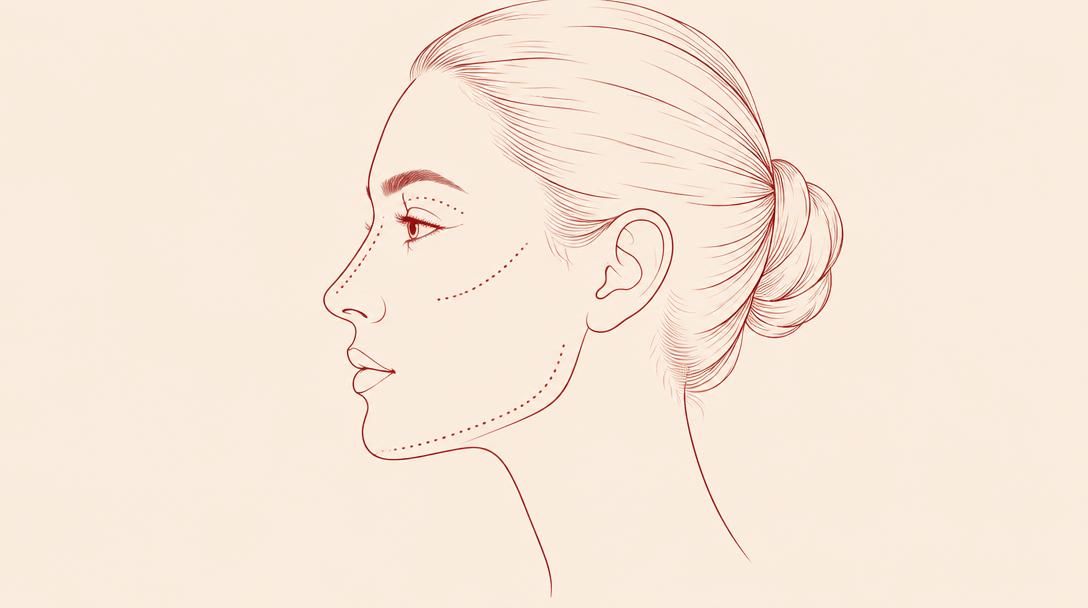 Plastic & reconstructive surgery 65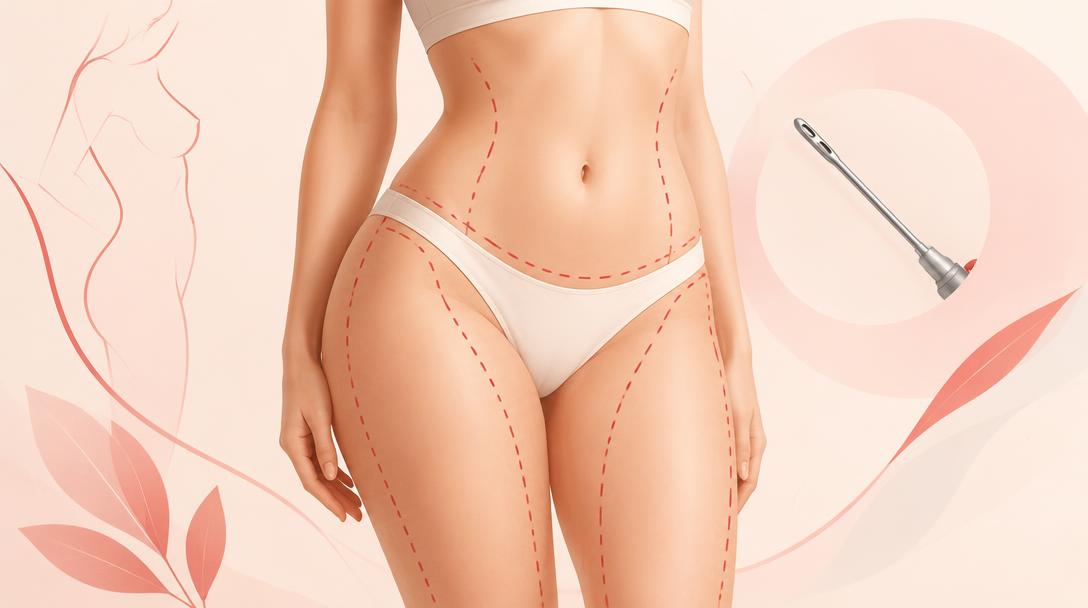
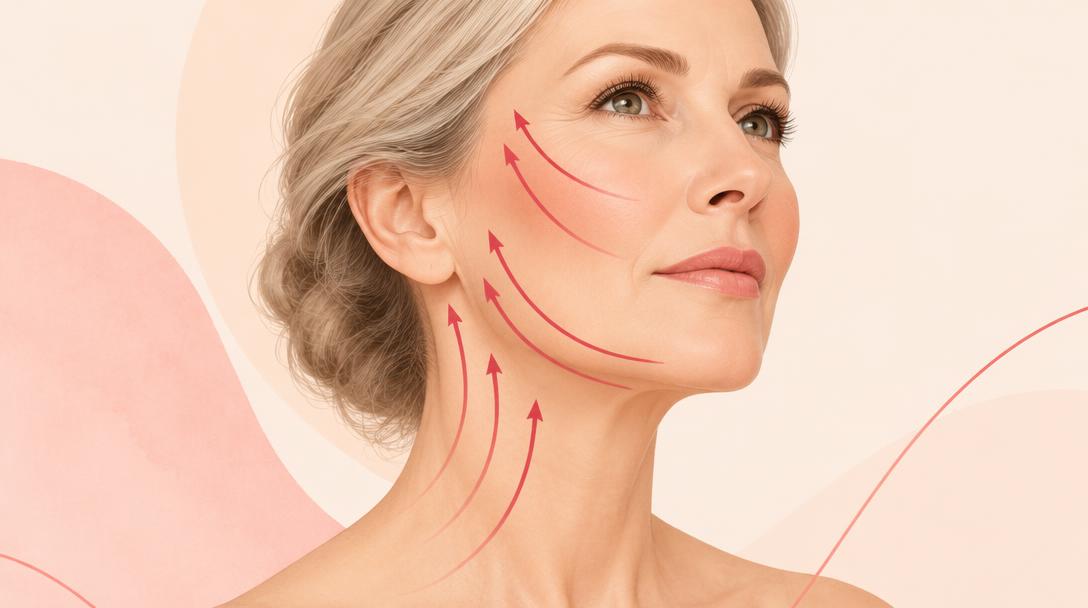
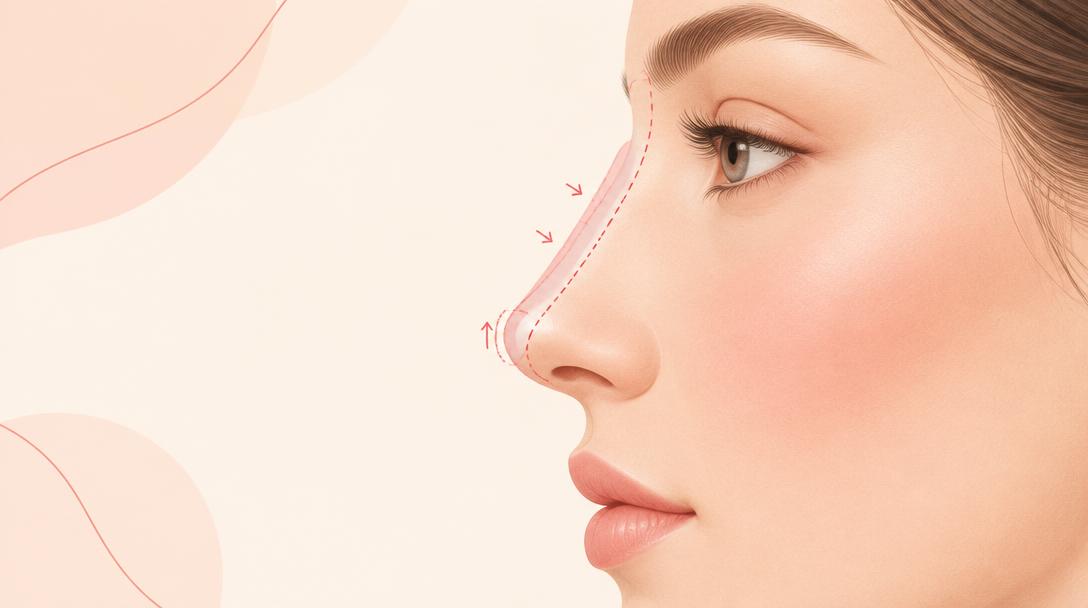
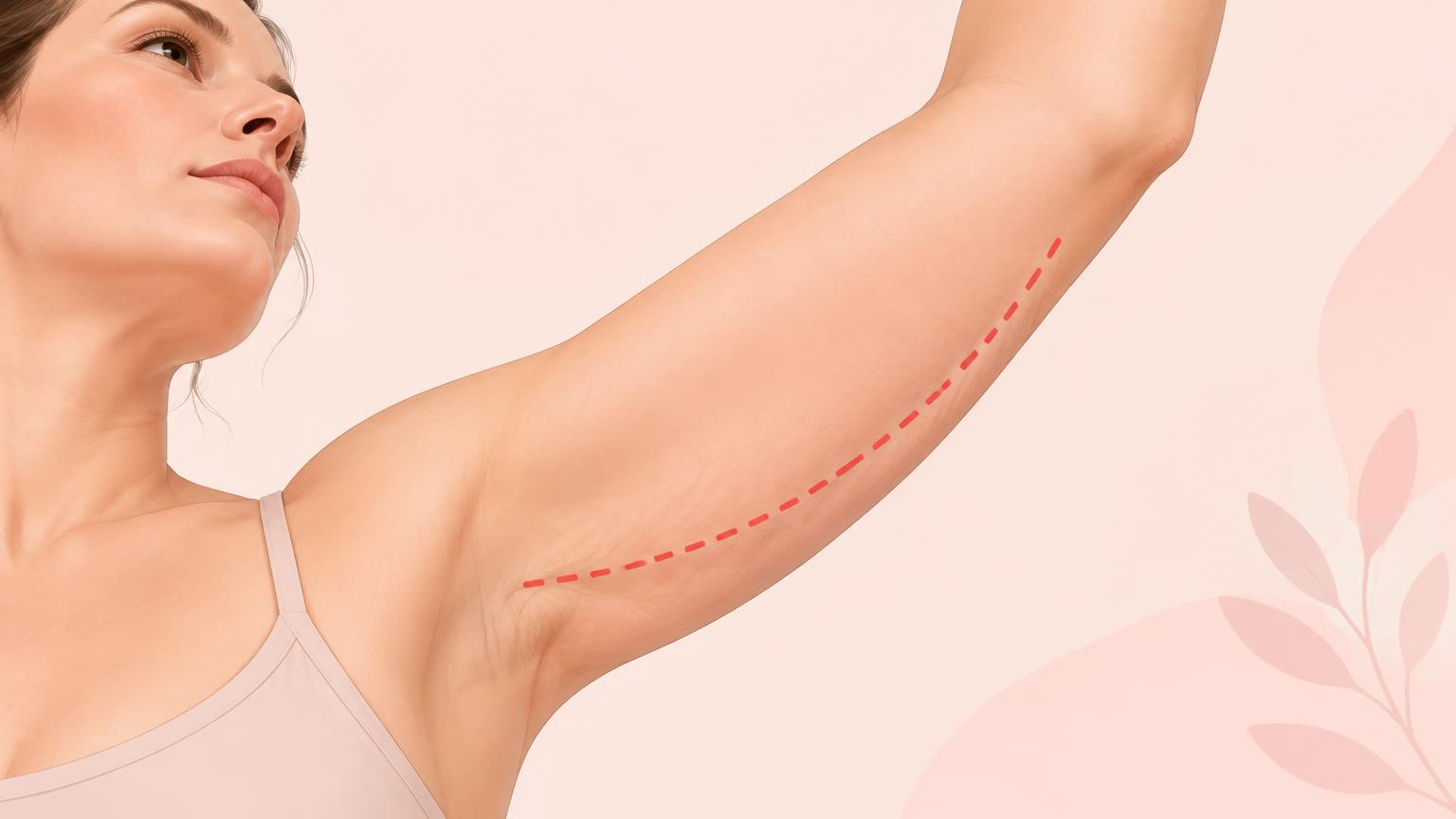
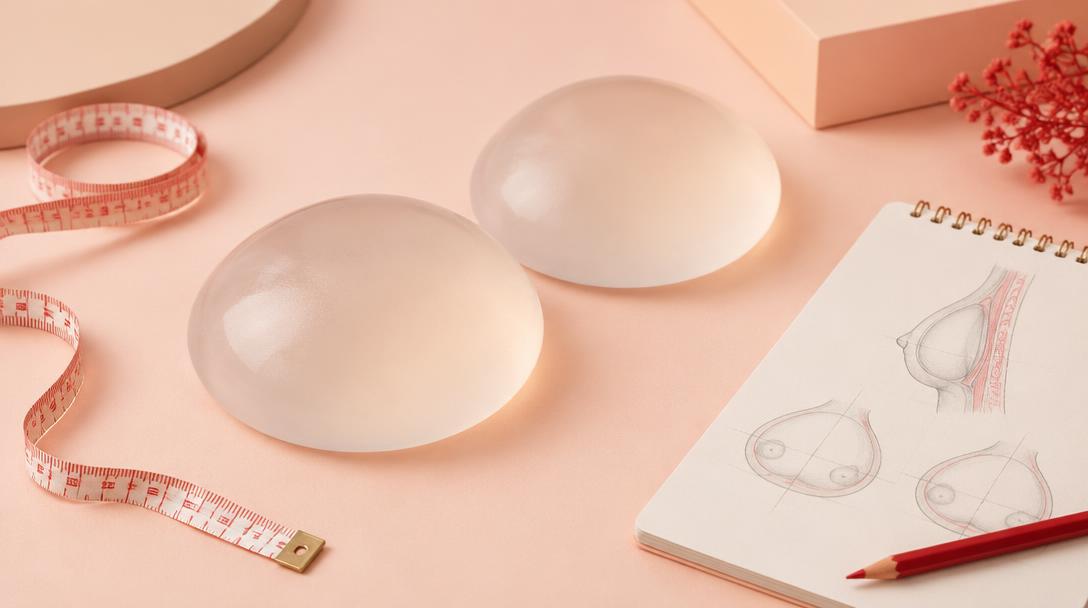
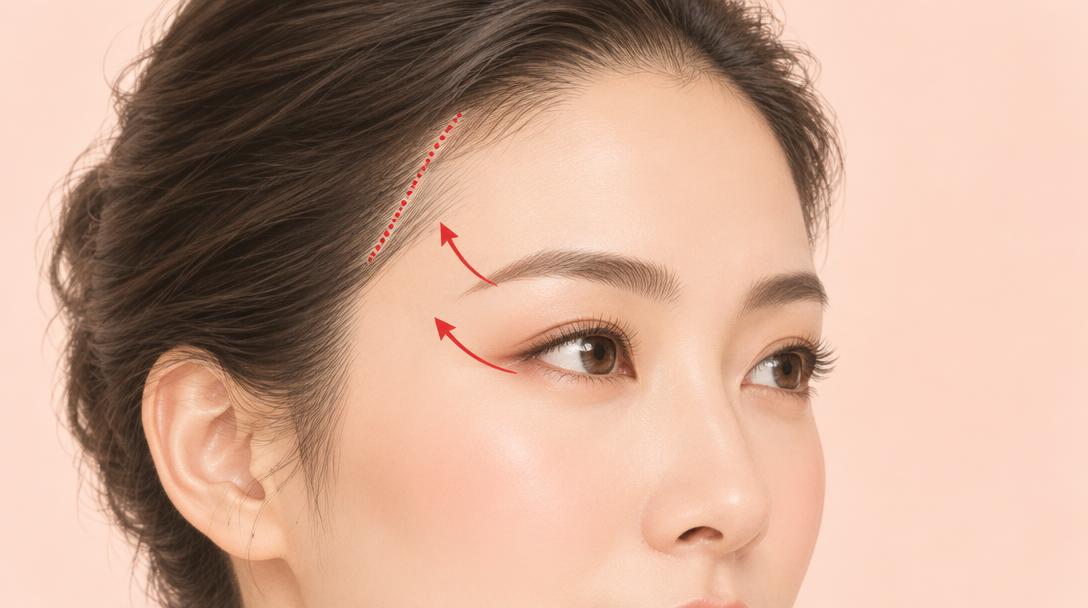

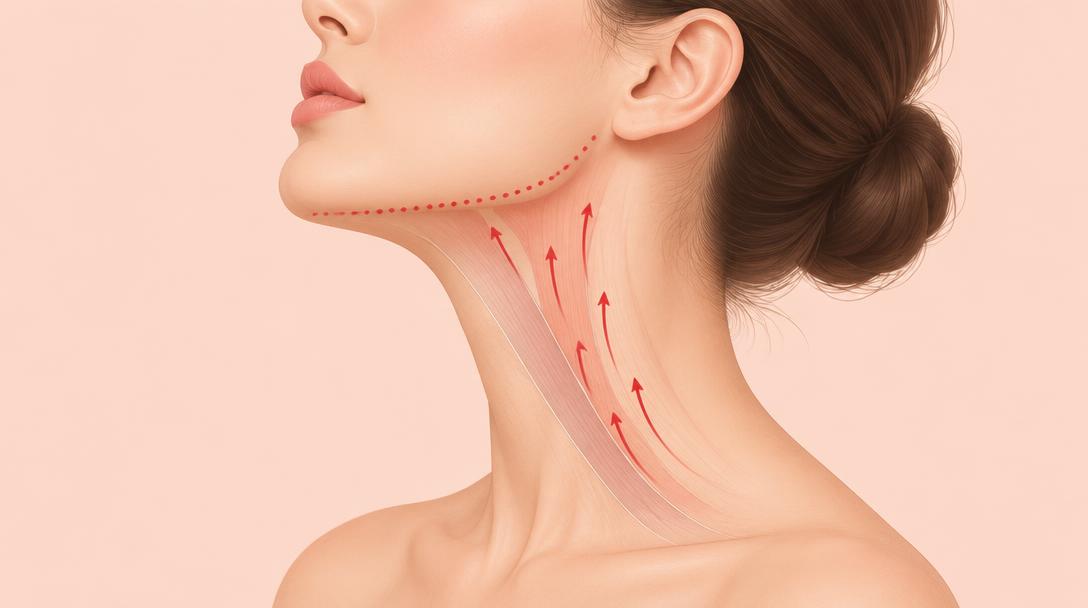
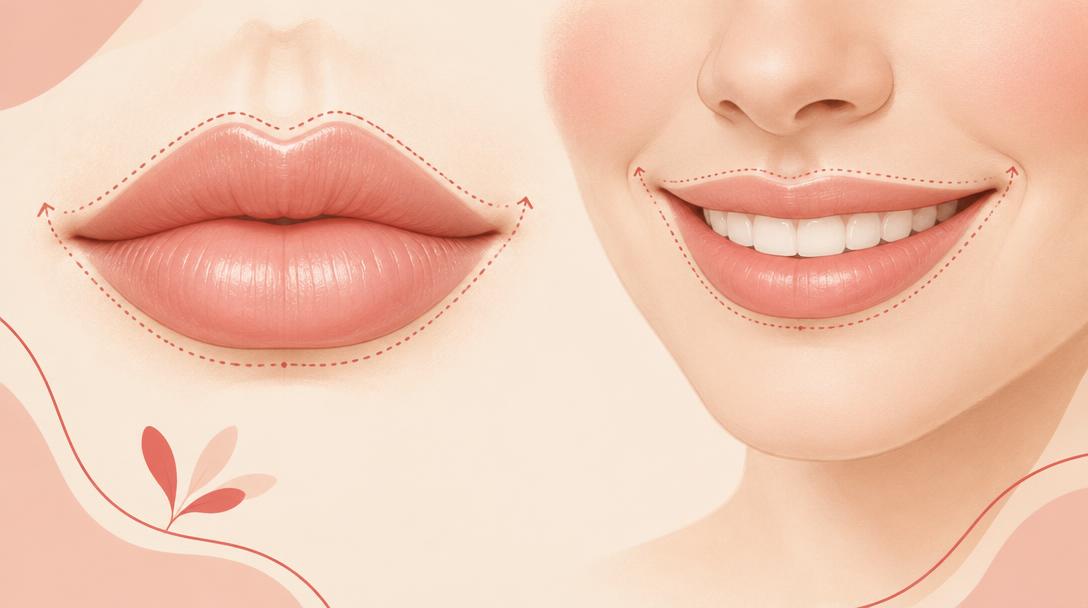
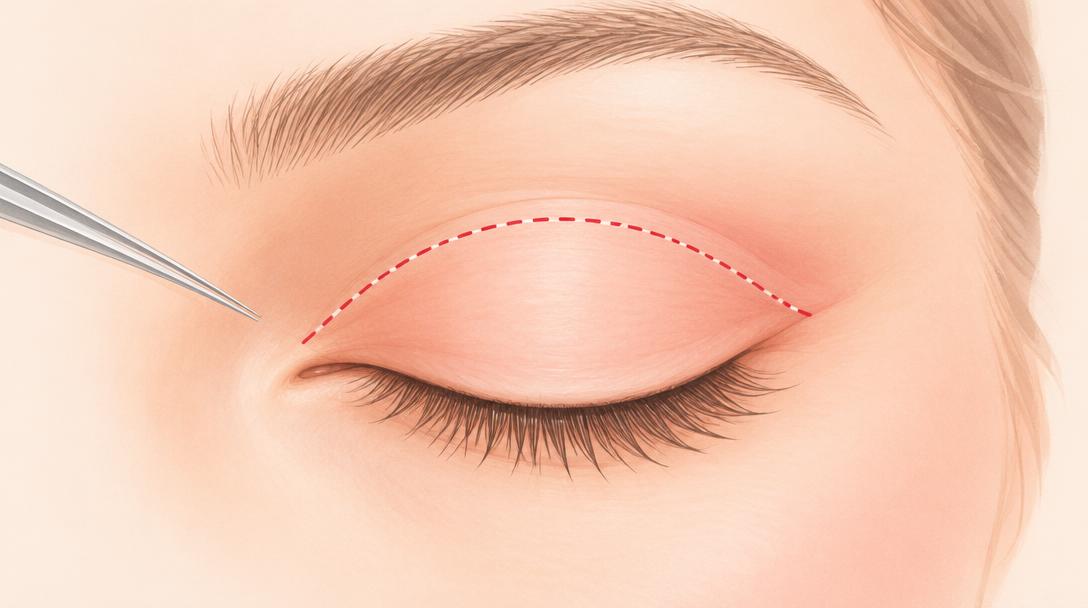
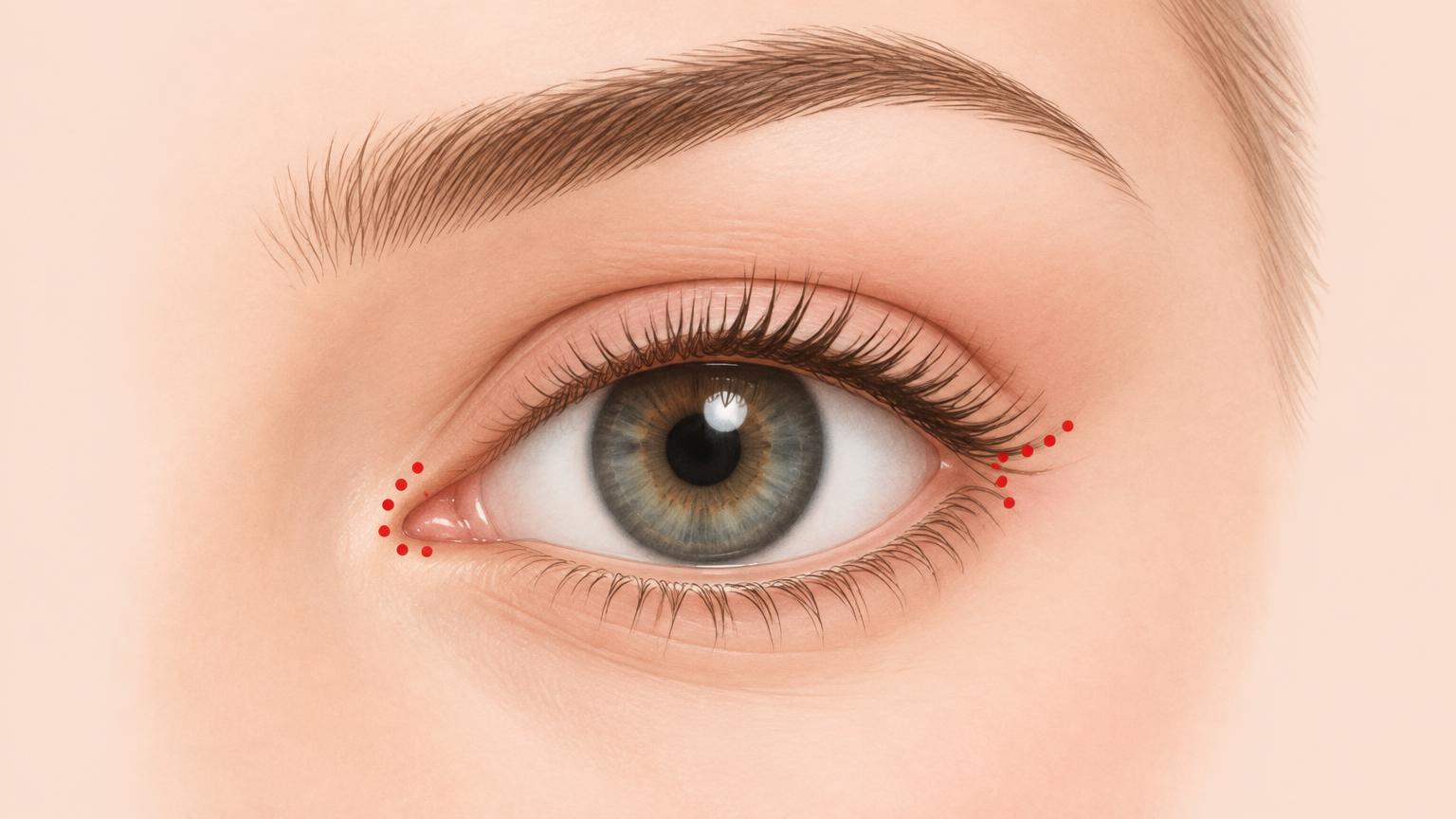
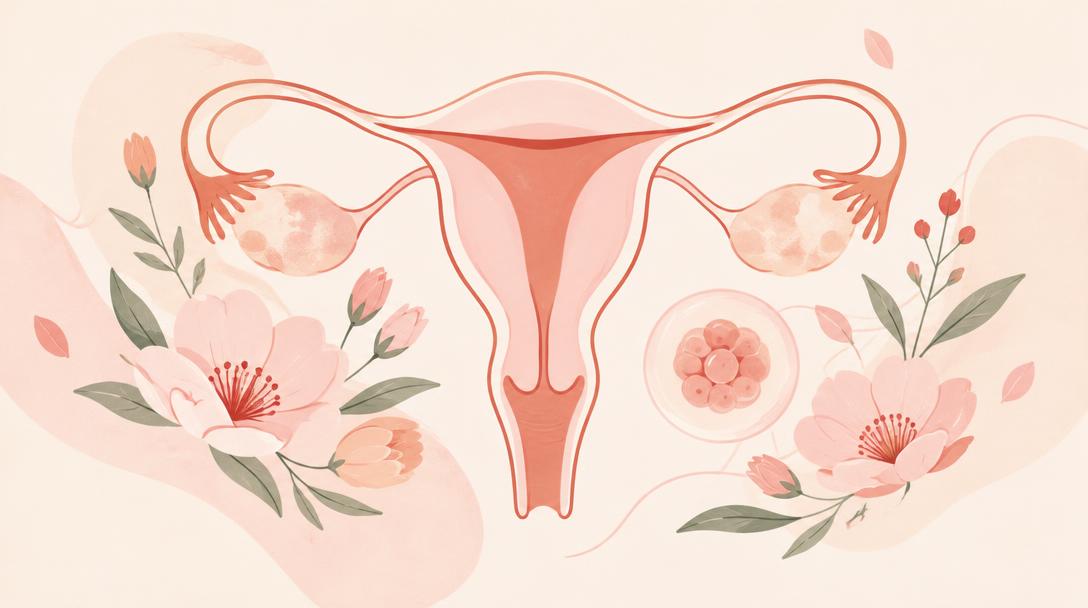
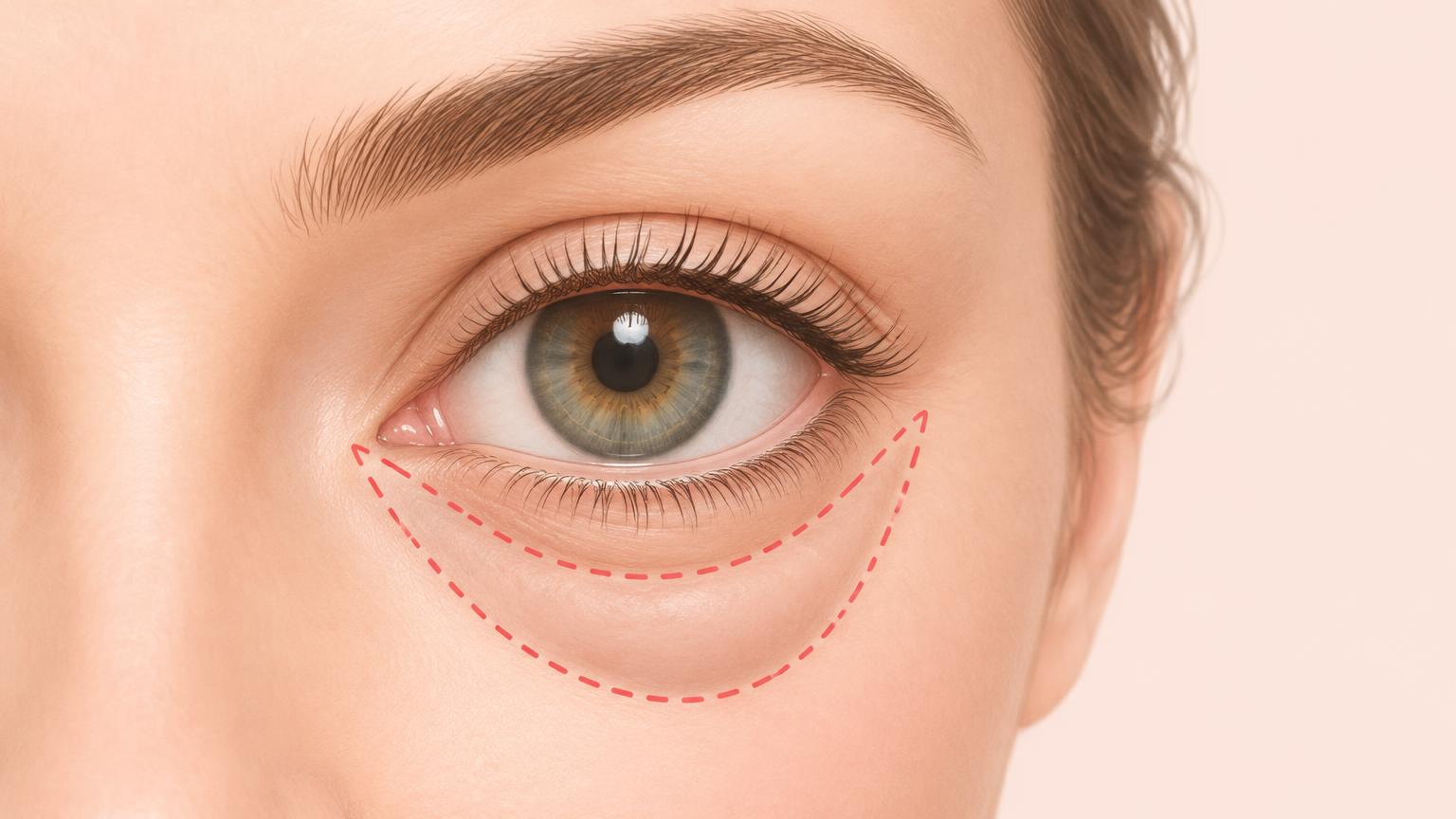
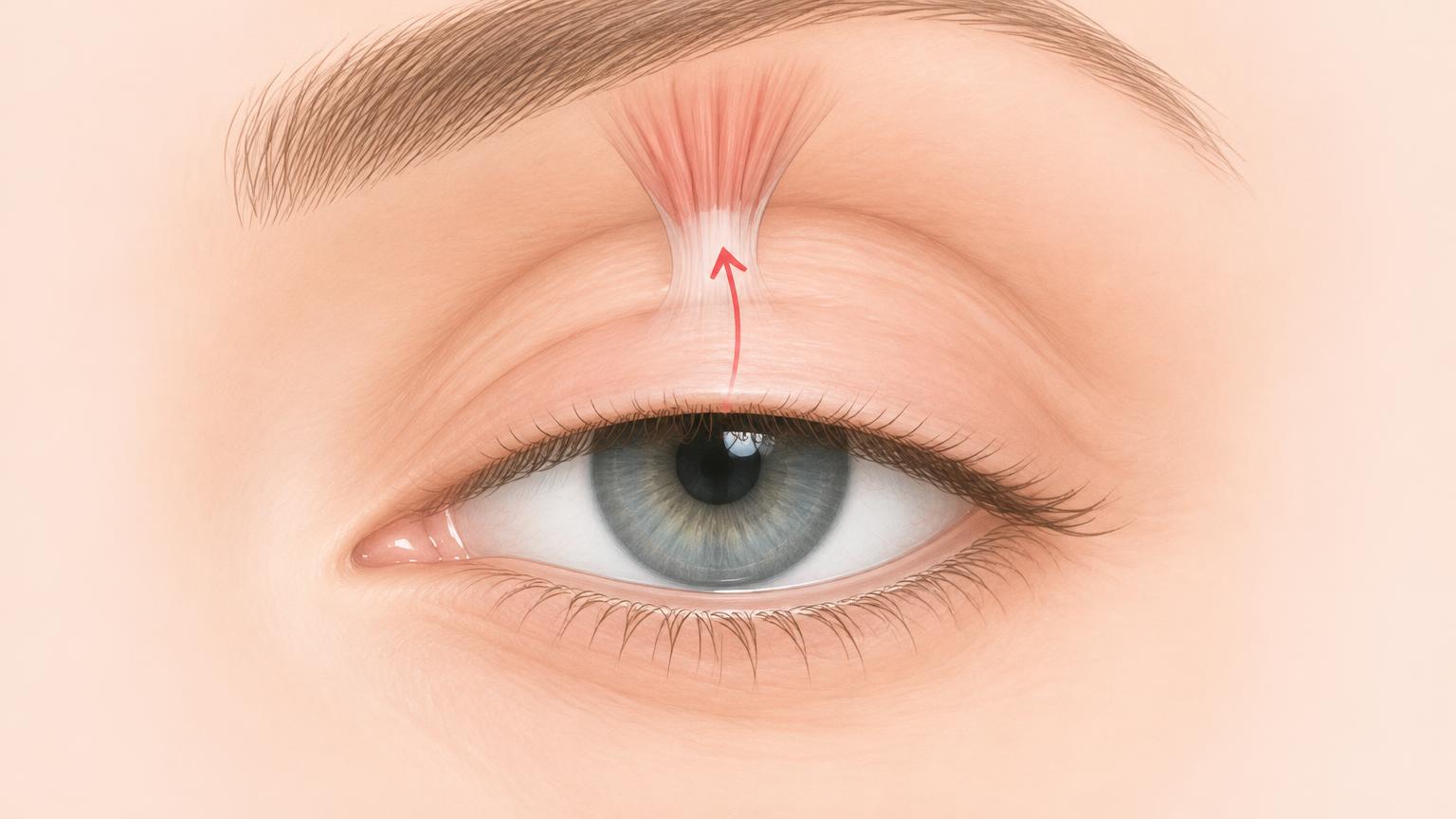
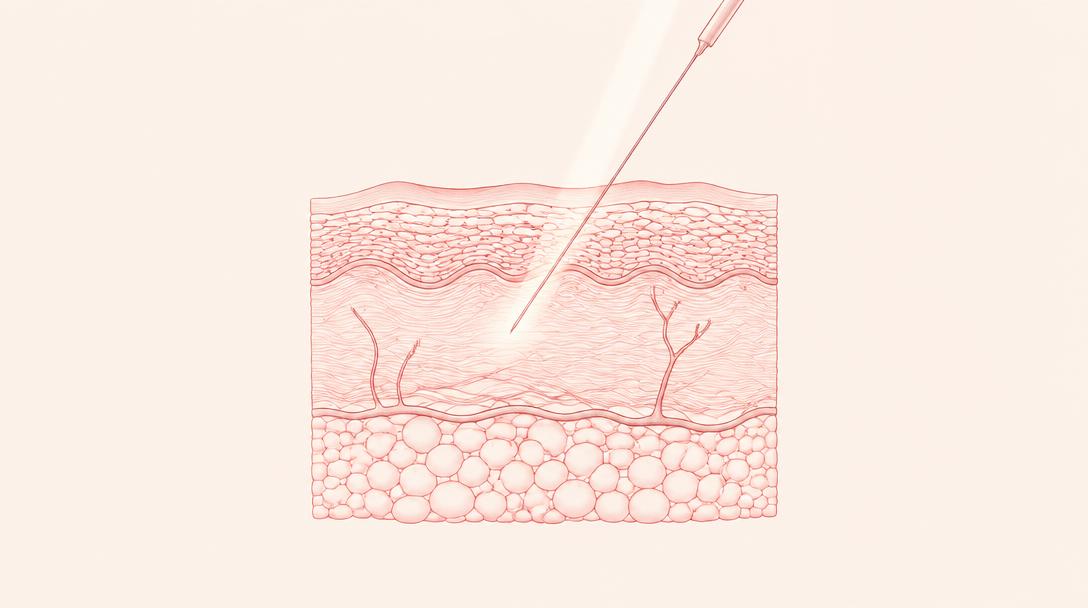 Aesthetic dermatology & skin boosters 57
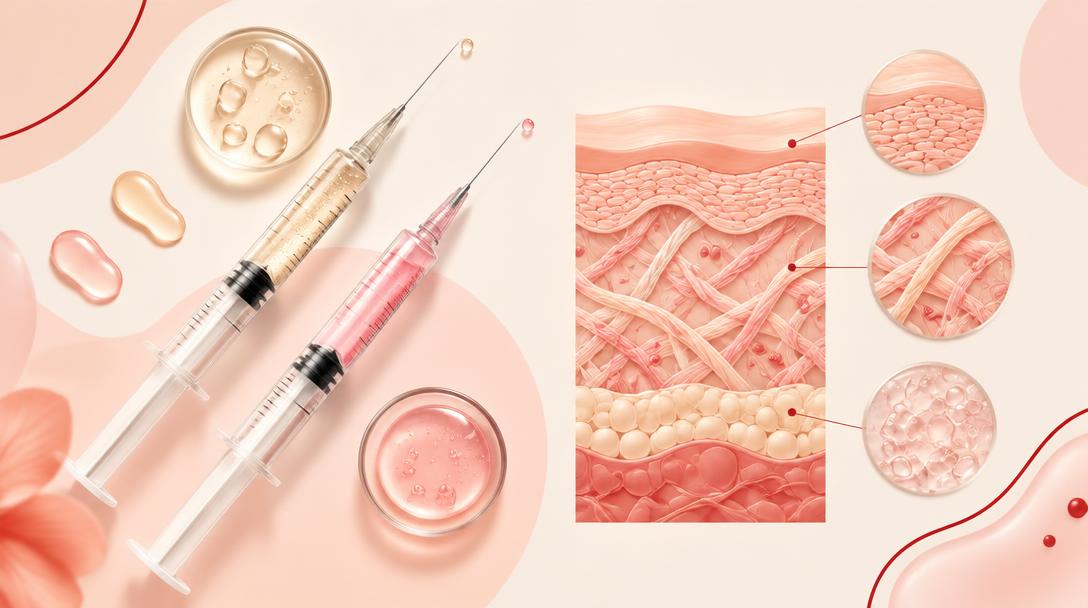
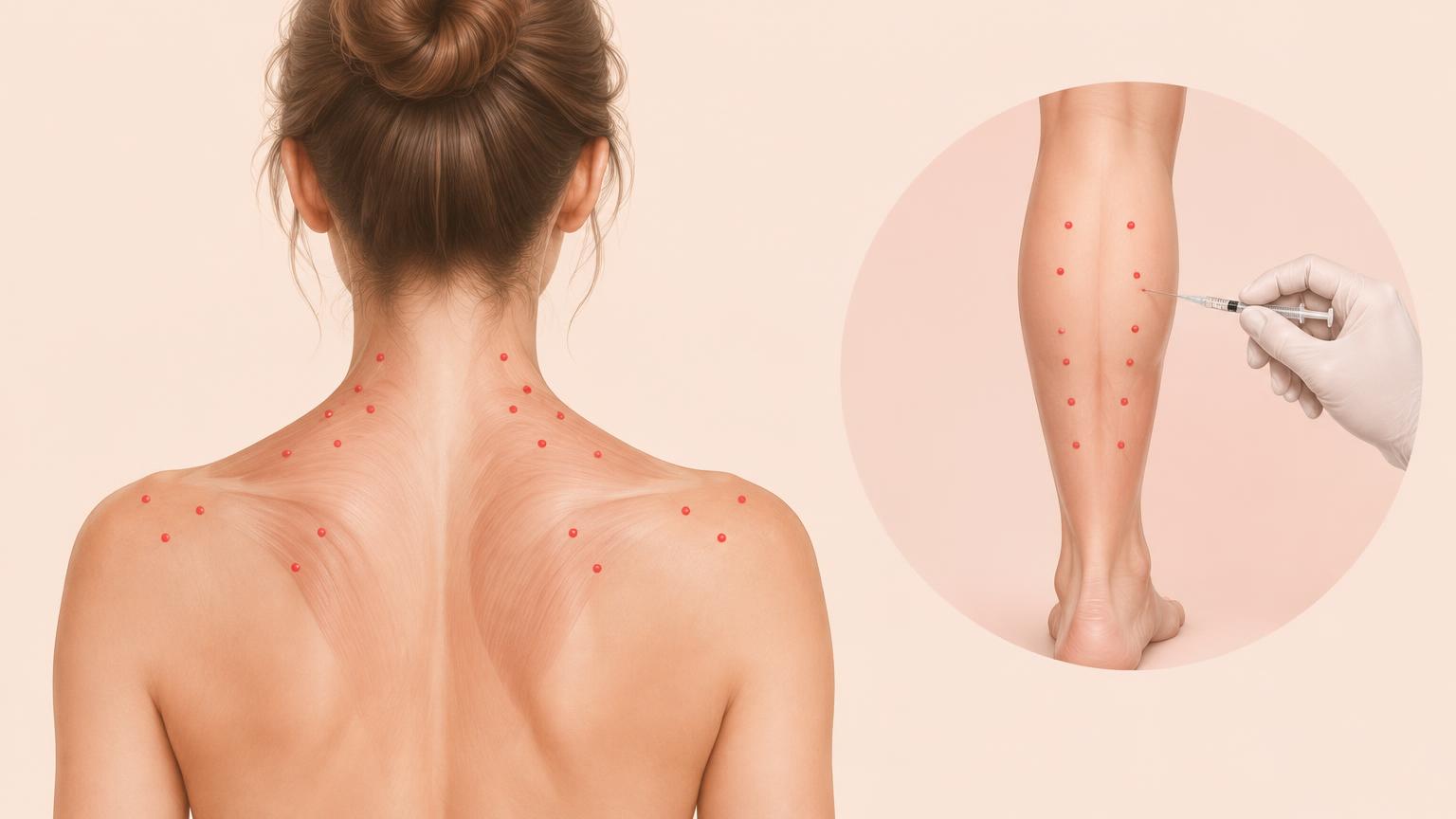
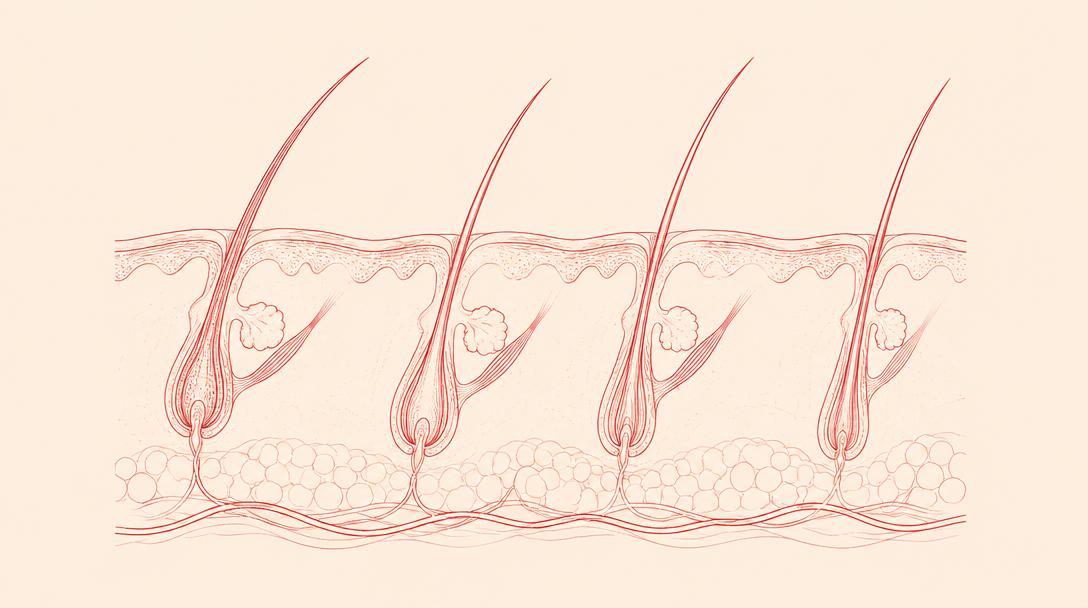 Hair restoration 8
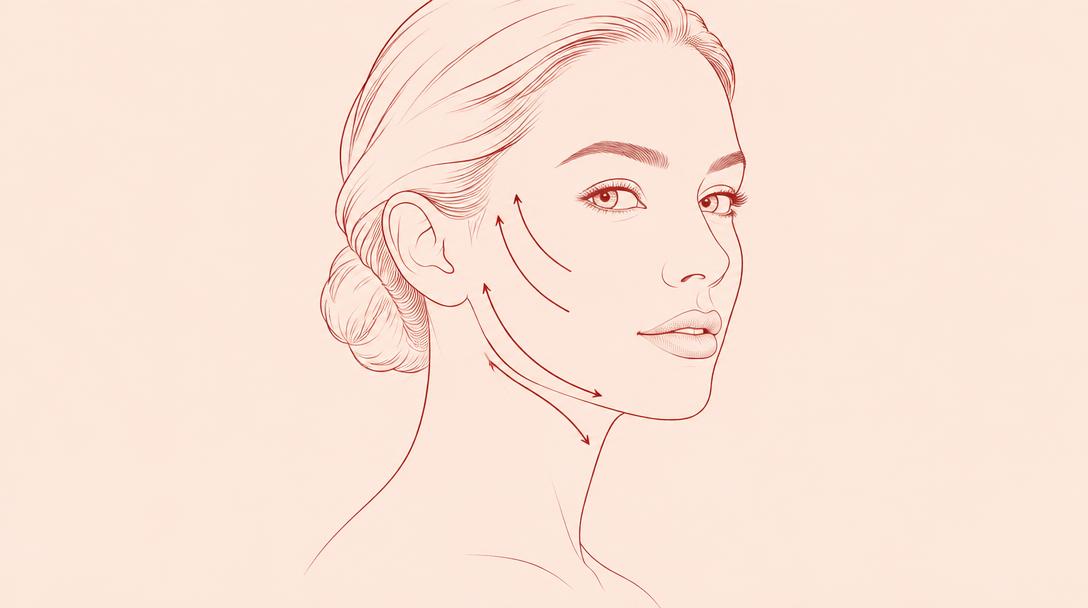 Non-surgical lifting & anti-aging 18
 Cancer care 12
 Gender-affirming care (top, bottom & facial surgery) 17
 Dentistry 4
 Health screening & check-ups 4